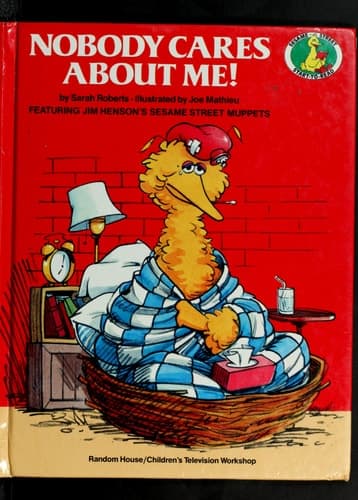
Nobody Cares about Me! Featuring Jim Henson's Sesame Street Muppets
Sarah RobertsPublished1982
Pages35
Formathardcover
PublisherRandom House/Children's Television Workshop
Synopsis
Being sick is not as much fun as Big Bird imagined even though his friends come to visit.
Recommendations
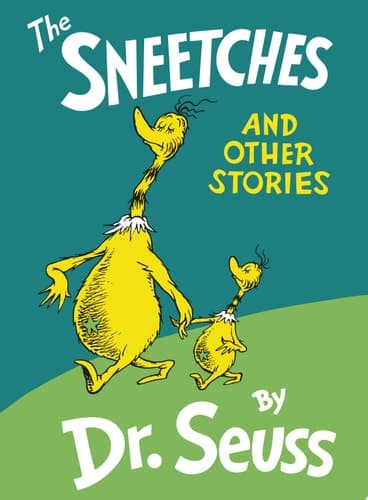
The Sneetches and Other Stories
by Dr. Seuss
Like Roberts' Sesame Street book, Seuss uses beloved characters and simple rhyme to explore deeper feelings—here, belonging and acceptance rather than illness. Both books trust young readers to understand emotional complexity without being heavy-handed, letting the fantastical setting do the emotional work.
View book
E.B. White Beyond Charlotte's Web and Stuart Little
by Laura Baskes Litwin
White does what Roberts accomplishes in miniature—he shows how friendship sustains us through difficult moments, and how caring for others matters even when the outcome is uncertain. Both books center on a community rallying around someone vulnerable, told with genuine warmth rather than sentimentality.
View book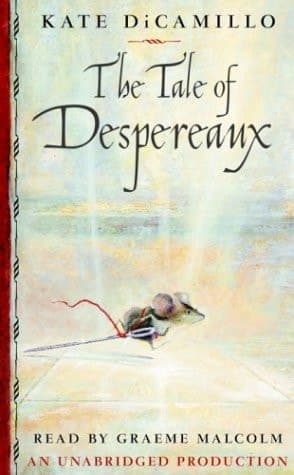
The Tale of Despereaux
by Kate DiCamillo
This is your chance to discover DiCamillo if you haven't already—she writes about isolation and loneliness with the same gentle honesty Roberts brings to sickness, but she layers in adventure and forgiveness. The Muppet-like cast of characters (a mouse, a rat, a princess) gives it that same accessible-yet-meaningful quality.
View book
The Phantom Tollbooth
by Norton Juster
Here's your genre-stretcher: it's a children's adventure-fantasy, but it's really about learning to see the world differently when you're stuck and discouraged. Like Big Bird discovering that being sick changes how you experience friendship, Juster's protagonist learns that boredom and disconnection can be transformed through curiosity and genuine connection.
View book
A.A. Milne The Man Behind Winnie-the-Pooh
by Ann Thwaite
Milne captures something Roberts understands perfectly: that the small moments when friends show up for you—bringing honey, sitting quietly, just being present—matter more than grand gestures. Both books are fundamentally about how we comfort each other, told through characters who aren't trying to be profound but somehow are.
View bookAbout Sarah Roberts
Biography coming soon.
View author page