Synopsis
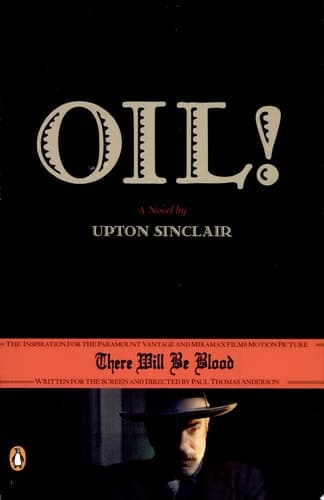
The classic novel that inspired the Academy award-winning film, There Will Be Blood. Penguin Books is proud to now be the sole publisher of Oil!, the classic 1927 novel by Upton Sinclair. After writing The Jungle, his scathing indictment of the meatpacking industry, Sinclair turned his sights on the early days of the California oil industry in a highly entertaining story featuring a cavalcade of characters including senators, oil magnets, Hollywood film starlets, and a crusading evangelist.
This lively and panoramic book, which was recently cited by David Denby in the New Yorker as being Sinclair’s “most readable” novel, is now the inspiration for the Paramount Vantage major motion picture, There Will Be Blood. It is the long-awaited film from Paul Thomas Anderson, one of the most admired filmmakers working today whose previous movies, Boogie Nights and Magnolia were both multiple Academy Award nominees. The movie stars Oscar-winner Daniel Day-Lewis (Gangs of New York, My Left Foot) and Paul Dano (Little Miss Sunshine).
Paramount Vantage will be releasing the film in New York and Los Angeles on December 26, 2007 and go nationwide in January. This is the same company responsible for Babel and A Mighty Heart and the current releases, Into the Wild, Margot at the Wedding, and The Kite Runner.
As wars rage on in the oil region and as anxiety over natural resources rise, the subject of this book, which celebrates its 80th anniversary in 2007, is more timely than ever.
Recommendations
Studies in the Financial Markets of the Pacific Basin
by Theodore Bos
Dreiser was Sinclair's contemporary and rival in the muckraking tradition, but where Sinclair preaches, Dreiser observes with almost clinical detachment. His protagonist's ruthless climb through Philadelphia's financial world has the same panoramic scope as Oil!, following an ambitious man through a corrupt system, but Dreiser lets you decide whether to condemn or admire the machinery itself.
View book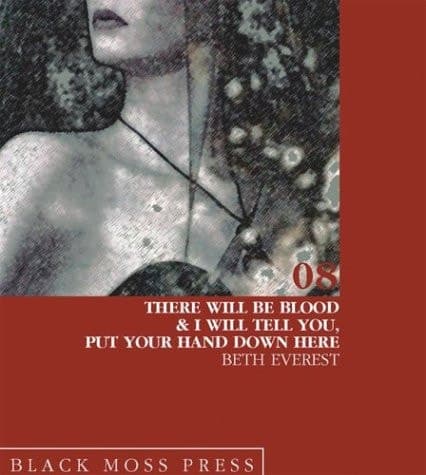
There Will be Blood & I Will Tell You Put Your Hand Down Here
by Beth Everest
I know this feels like cheating since you know the film exists, but Anderson's screenplay—published separately—is genuinely a different beast from Sinclair's novel. Where Oil! sprawls across California society, Anderson distills it into a two-man psychological duel, and reading his sparse, repetitive dialogue reveals how he transforms Sinclair's social panorama into something more like Greek tragedy.
View book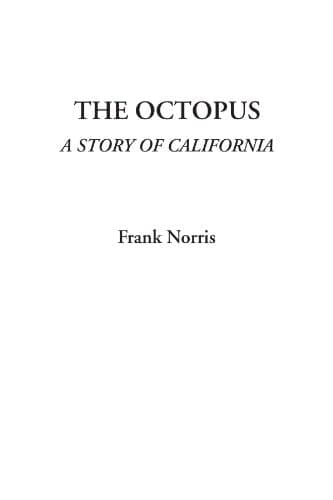
The Octopus A Story of California
by Frank Norris
Published in 1901, Norris's novel about railroad monopolies in California predates Sinclair's oil saga by a quarter-century, but they're spiritual siblings—both feature sprawling casts, corrupt magnates, and the question of whether individuals or systems drive history. Norris's prose is denser and more philosophical, making it feel like the intellectual ancestor to everything Sinclair would attempt.
View book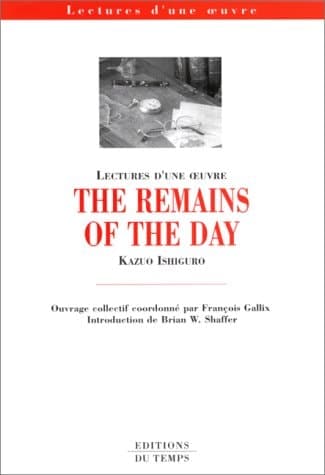
The remains of the day de Kazuo Ishiguro
by Gallix/François
This is your surprise pick: a quiet, introspective novel that seems nothing like Oil! until you realize both are about complicity and self-deception. Where Sinclair's characters are swept up in oil booms and scandals, Ishiguro's butler has quietly enabled fascism through his devotion to duty. The restraint of Ishiguro's prose makes the moral reckoning even more devastating than Sinclair's direct accusations.
View book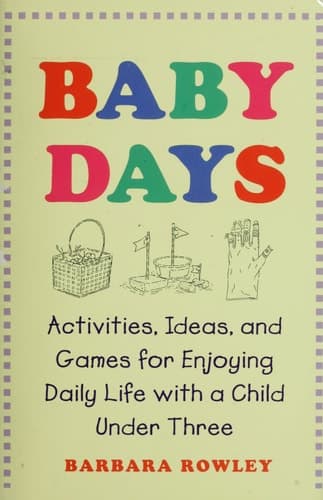
Baby Days Activities, Ideas, and Games for Enjoying Daily Life with a Child Under Three
by Barbara Rowley
A memoir that reads like a novel, Finnegan's book shares Sinclair's fascination with how individuals navigate vast systems—in this case, the global economy and geopolitics as seen through the eyes of a man chasing waves. It has Oil!'s episodic structure and cast of colorful characters, but grounds everything in sensory detail and genuine introspection rather than polemic.
View bookAbout Upton Sinclair
U
Upton Sinclair
1878–1968
Upton Sinclair, Jr., was a Pulitzer Prize-winning American author who wrote over 90 books in many genres. He achieved popularity in the first half of the 20th century, acquiring particular fame for his 1906 muckraking novel The Jungle. It exposed conditions in the U.S. meat packing industry, causing a public uproar that contributed in part to the passage a few months later of the 1906 Pure Food and Drug Act and the Meat Inspection Act. --Wikipedia
View author page