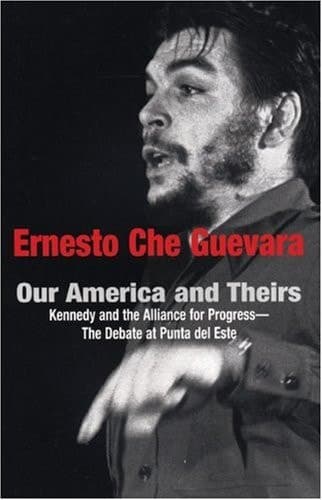
Our America and Theirs: Kennedy and the Alliance for Progress - The Debate on Free Trade (Che Guevara Publishing Project)
Ernesto "Che" GuevaraPublished2005
Pages160
Formatpaperback
PublisherOcean Press
Synopsis
To check the spread of revolution in Latin America in 1961, Kennedy proposed the Alliance for Progress—a program for free trade and development in the Americas. Che Guevara , described by Time magazine as “Cuba’s scraggle-bearded economic czar,” condemned the plan as a new strategy to subjugate the continent to U.S. interests.
The introduction describes the backstage drama that unfolded when Kennedy’s special envoy Richard Goodwin had a cordial encounter with Che at a late-night party. The book includes never before published material, such as Che’s televised speech in which he outlines the issues posed by the Alliance for Progress.
Available in Spanish as Punta del Este (ISBN 1-876175-65-6)
Recommendations
Open Veins of Latin America Five Centuries of the Pillage of a Continent
by Eduardo Galeano
Galeano takes the economic critique Che was articulating and expands it into a sweeping historical narrative that reads almost like a detective story—tracing how colonial extraction patterns morphed into Cold War dependency. Where Che's speeches are polemical and urgent, Galeano's prose is lyrical and devastating, but they're fundamentally asking the same question: who profits from Latin American resources?
View book
The Shock Doctrine The Rise of Disaster Capitalism
by Naomi Klein
Klein examines how free-market ideology—the very thing Che warned against in the Alliance for Progress—actually got implemented across Latin America and beyond, often through coups and crises. She's doing the forensic work of showing how Che's predictions about subjugation through trade actually played out in real time, with names, dates, and economic data.
View book
The Savage Detectives A Novel
by Roberto Bolaño
Here's your surprise pick: this sprawling, genre-bending novel is set partly in 1970s Mexico during the exact era when Che's ideas were circulating through Latin American intellectual circles. Bolaño captures the texture of that moment—the idealism, the paranoia, the competing visions of what revolution could mean—through fragmented narratives that feel more immediate than any essay could be.
View book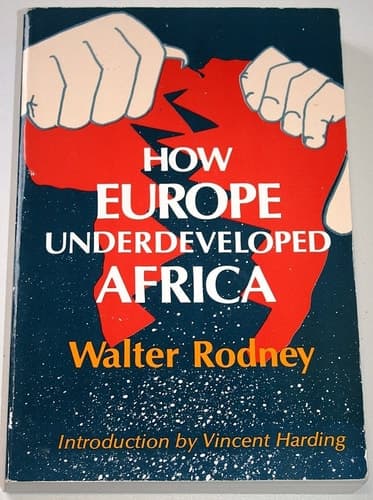
How Europe Underdeveloped Africa
by Walter Rodney
Rodney applies the same structural analysis Che used for Latin America to Africa, showing how this wasn't regional but systemic—a global pattern of extraction disguised as development. His 1972 work predates much of the dependency theory that became mainstream, making it feel like reading the intellectual genealogy of Che's arguments.
View book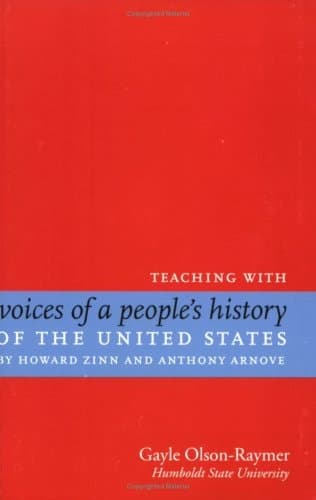
Teaching with Voices of a People's History of the United States by Howard Zinn and Anthony Arnove
by Gayle Olson-Raymer
Zinn tells American history from the perspective of those the Alliance for Progress was ostensibly meant to help—indigenous peoples, workers, the dispossessed—which gives you the counternarrative to Kennedy's official story. It's written with Che's moral urgency but grounded in primary sources and lived testimony, making the ideological stakes feel personal rather than abstract.
View bookAbout Ernesto "Che" Guevara
Biography coming soon.
View author page