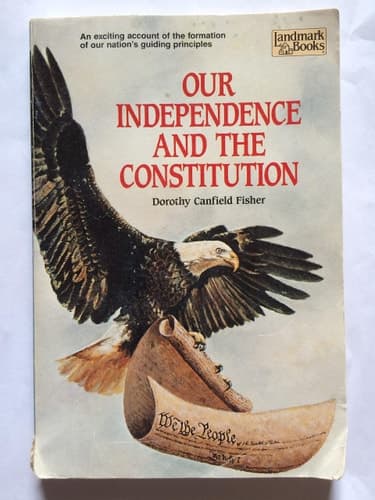
Our Independence and the Constitution
Dorothy Canfield FisherPublished1987
Pages147
Formatpaperback
PublisherRandom House
Synopsis
Portrays the writing of the Declaration of Independence and the formation of the Constitution through the eyes of one Philadelphia family.
Recommendations
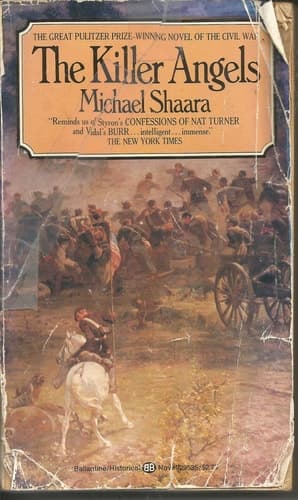
The Killer Angels
by Michael Shaara
Like Fisher's approach, Shaara uses intimate family moments and personal perspectives to humanize a pivotal historical moment—but he focuses on the Civil War's turning point through the eyes of soldiers and generals. You'll find that same technique of making abstract historical forces feel immediate and personal, except here the stakes are measured in battlefield decisions rather than constitutional debates.
View book
The remains of the day de Kazuo Ishiguro
by Gallix/François
This is the surprise pick: it's not about American history at all, but it shares Fisher's fascination with how ordinary people navigate extraordinary historical moments. Ishiguro's butler reflects on decades of service during WWII-era England, and like Fisher, the author reveals how personal loyalty and historical duty can be in painful tension with each other. The unreliable narrator adds a layer Fisher doesn't use, making you question what you're being told.
View book
Toni Morrison - Beloved
by Carl Plasa
Morrison writes about American history from a perspective Fisher's Philadelphia family couldn't access—the enslaved people whose labor built the nation those founders were debating. She uses magical realism to collapse time, showing how the past literally haunts the present, which is a completely different narrative technique than Fisher's straightforward family chronicle, but equally powerful in making history feel alive and unresolved.
View book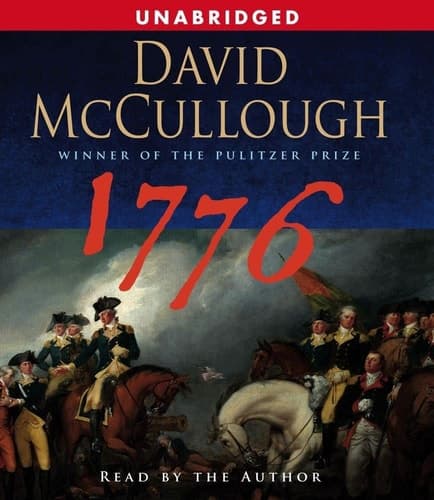
1776
by David McCullough
McCullough gives you the same Revolutionary period as Fisher, but through meticulously researched narrative nonfiction rather than domestic fiction—think of it as seeing the same events from the generals' war rooms and camp tents instead of the parlor. His gift for making historical figures feel like real people with doubts and exhaustion complements Fisher's approach perfectly, and you'll recognize some of the same key moments from a completely different angle.
View book
All the Light We Cannot See A Novel
by Anthony Doerr
Doerr uses the same intimate, family-centered lens as Fisher but sets it during WWII, splitting perspective between a French girl and a German boy whose lives intersect through the fog of war. Where Fisher shows how ordinary families witnessed the birth of a nation, Doerr shows how ordinary families become unwilling participants in its destruction—it's a darker mirror of that same technique of making historical forces personal and tragic.
View bookAbout Dorothy Canfield Fisher
D
Dorothy Canfield Fisher
1879–1958
Biography coming soon.
View author page