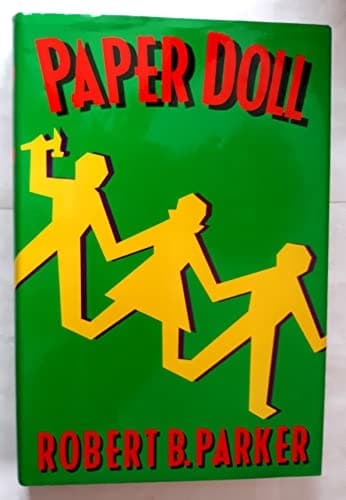
Synopsis
Spenser tracks a mystery woman who refuses to rest in peace in Parker's most beguiling thriller. Hired by a Boston aristocrat who believes his late wife's brutal street slaying is something other than random violence, Spenser immediately senses his client's picture-perfect version of his family's life is a world of grand illusion, peopled by cardboard cutouts and seething with scandal.
Recommendations
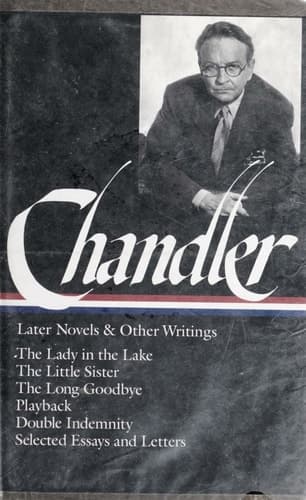
Raymond Chandler: Later Novels and Other Writings: The Lady in the Lake / The Little Sister / The Long Goodbye / Playback /Double Indemnity / Selected Essays and Letters (Library of America)
by Raymond Chandler
Chandler's Marlowe operates in that same murky Boston-adjacent world where wealthy clients hire private detectives to uncover truths their families desperately want to keep buried. Like Spenser, Marlowe has an almost anthropological eye for how money and social standing create elaborate facades—he sees through the performance to the rot underneath, and the investigation becomes less about solving a crime and more about understanding human nature.
View book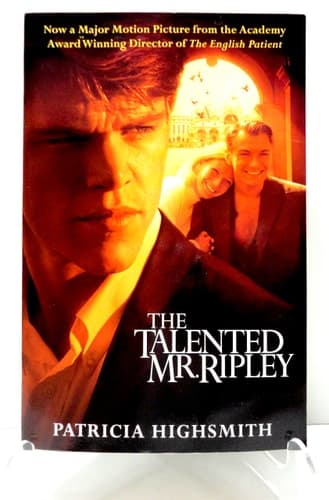
The Talented Mr. Ripley
by Patricia Highsmith
Highsmith excels at the same psychological game Parker plays in Paper Doll—showing us a world where appearances are weaponized and identity itself becomes fluid. Where Parker's mystery unravels a family's secrets, Highsmith constructs an entire character around deception and reinvention. Both novels have that unsettling quality where you realize the real mystery isn't *what* happened, but *who these people actually are*.
View book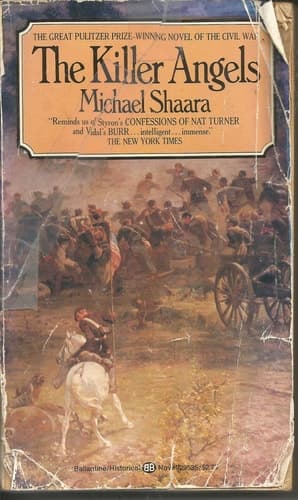
The Killer Angels
by Michael Shaara
This might seem like a departure—it's a Civil War novel from 1974—but Shaara does something remarkably similar to what Parker does: he takes a historical event everyone thinks they understand and reveals the human complexity underneath. The 'mystery' here is psychological and moral rather than procedural, and Shaara's gift for showing how intelligent people rationalize their choices while maintaining their self-image parallels Parker's exploration of how the wealthy construct their own narratives.
View book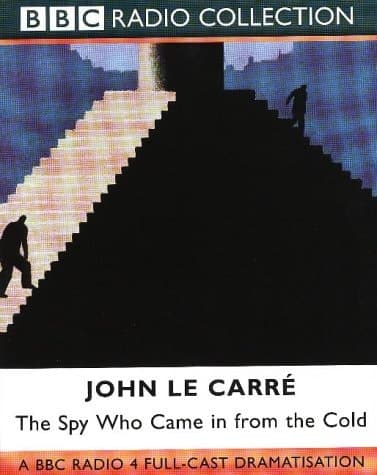
The Spy who Came in from the Cold Cassette Pack
by John Le Carré (Schriftsteller)
Le Carré's Cold War thriller operates on the same principle as Paper Doll—nothing is what it appears to be, and the deeper you dig, the more you realize the 'client' may be the least trustworthy person in the room. Both novels have that gritty, unglamorous detective work where the real revelation isn't about solving a puzzle but about understanding how institutions and powerful people manipulate those beneath them.
View book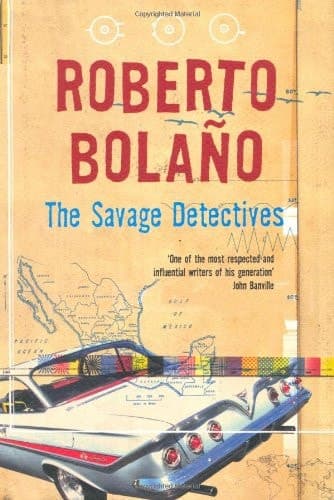
The Savage Detectives A Novel
by Roberto Bolaño
Here's the wild card: Bolaño's sprawling novel is structured like a mystery investigation—two young poets chasing a literary ghost through Mexico and Europe—but it's really about how obsession and narrative construction can consume a life. Like Spenser piecing together the truth about his client's wife, the detectives here become increasingly uncertain about what they're actually looking for. It's a novel that trusts readers to sit with ambiguity the way Parker does, where the investigation matters less than what it reveals about human delusion.
View bookAbout Robert B. Parker
Biography coming soon.
View author page