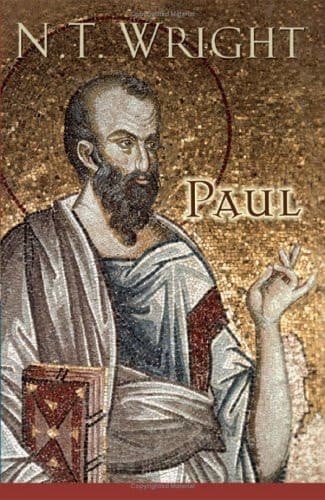
Paul In Fresh Perspective
Nicholas Thomas WrightPublished2005
Pages195
Formathardcover
PublisherFortress Press
Synopsis
Part One Themes
1. Paul's World, Paul's Legacy
2. Creation and Covenant
3. Messiah and Apocalyptic
4. Gospel and Empire
Part Two Structures
5. Rethinking God
6. Reworking God's People
7. Reimagining God's Future
8. Paul, Jesus, and the Task of the Church
Recommendations
Christian Origins and the Question of God: The New Testament and the people of God
Christian Origins and the Question of God: The New Testament and the people of God
by Nicholas Thomas Wright
I know Wright wrote your recent read, but this earlier volume in his Christian Origins series operates differently—it's more foundational, building the historical and theological scaffolding that *Paul in Fresh Perspective* stands on. If you found yourself wanting to dig deeper into Wright's framework for understanding first-century Judaism and early Christian identity, this is where that conversation truly begins.
View book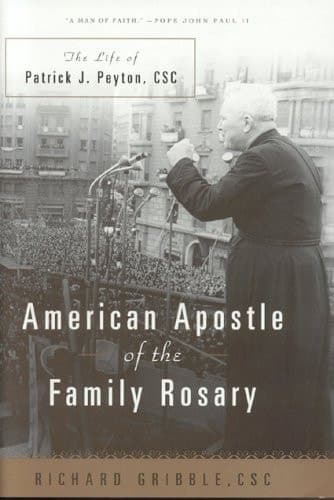
American Apostle of the Family Rosary A Life of Patrick J. Petyon, CSC
by Richard Gribble
Where Wright gives you Paul's thought-world, Pollock gives you Paul's feet on the ground—a narrative biography that reads almost like a historical novel while remaining scrupulously researched. You'll see how the theological themes you just explored actually played out across the Mediterranean, and Pollock has a gift for making ancient travel, imprisonment, and conflict feel viscerally real rather than abstract.
View book
Artisans of the Crucifixion A Dramatic Program for Lent
by Jeffrey R. Ingold
Boyd takes Wright's emphasis on Jesus and Paul's apocalyptic reframing and pushes it into territory that will genuinely challenge you—he argues that Paul's theology demands a radical rethinking of divine power itself. It's scholarly but urgent, and Boyd writes with the kind of intellectual honesty that doesn't shy away from the implications of what he's arguing. You'll either find this exhilarating or maddening, probably both.
View book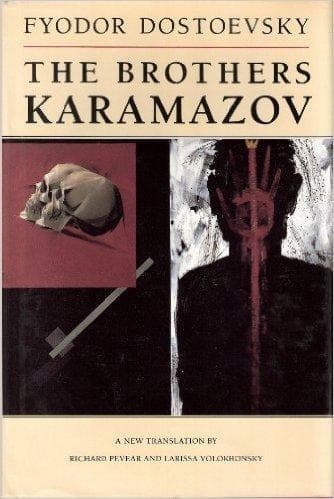
Fyodor Dostoevsky's the Brothers Karamazov (Bloom's Modern Critical Interpretations)
by Unknown
This is the curveball, but hear me out: Dostoevsky is obsessed with the same questions Wright explores—how does faith survive in a world of suffering, what does redemption actually mean, how do we live as communities under judgment and grace? The Grand Inquisitor section alone is a 19th-century meditation on power, empire, and messianic expectation that will make you see Paul's letters differently. It's theology through narrative rather than argument, which offers a different kind of illumination.
View book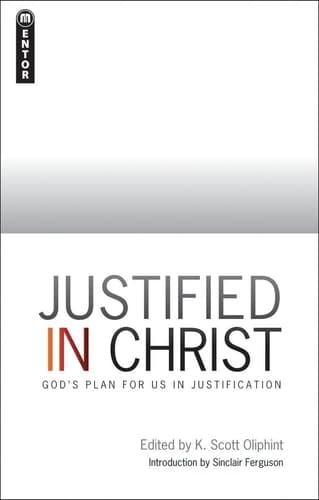
Justified in Christ God's Plan for Us in Justification
by K. Scott Oliphint
McGrath approaches Paul's doctrine of justification from a historian's angle rather than a polemicist's, which means he's genuinely interested in what Paul meant in context rather than what later traditions claimed he meant. His prose is clearer than Wright's (which isn't a criticism—Wright is dense by design), and he has a wonderful way of showing how a single theological concept ripples across centuries of interpretation. It's a natural next step for someone who's just absorbed Wright's framework.
View bookAbout Nicholas Thomas Wright
Biography coming soon.
View author page