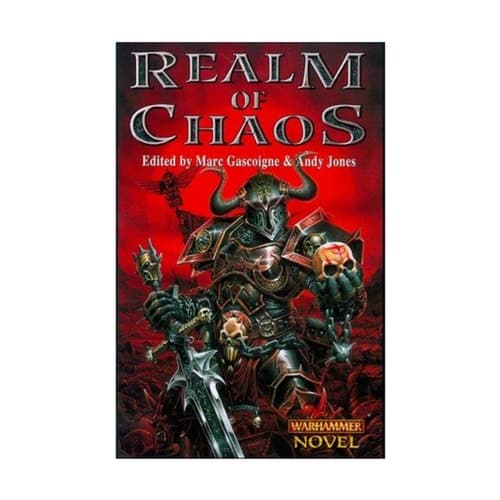
Synopsis
IN THE DARK and gothic world of Warhammer, the ravaging armies of the Ruinous Powers sweep down from the savage north to assail the lands of men, Realm of Chaos is a searing collection of a dozen all-action fantasy stories set in these desperate times, drawn from the acclaimed Inferno! magazine.WARHAMMER is an incredibly detailed fantasy realm of perilous adventure developed over 20 years by the Games Workshop Design Studio. This dark and gothic world is the setting for the world's most successful range of fantasy wargames. Already a $117m per year business, and enjoying phenomenal growth, Warhammer looks set to be one of the most exciting settings for fantasy novels there is!
Recommendations
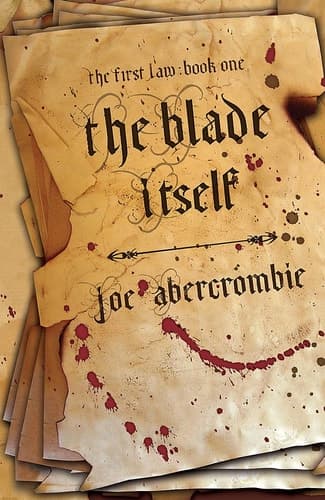
The Blade Itself
by Joe Abercrombie
Abercrombie shares Crews' gift for packing visceral action and moral ambiguity into a grim medieval setting, but he structures it around three POV characters whose perspectives clash in ways that make the world feel lived-in rather than merely described. Where Realm of Chaos gives you snapshots of desperation, The Blade Itself builds a narrative engine from the same dark-fantasy fuel—expect the same sense that civilization is one bad harvest away from collapse.
View book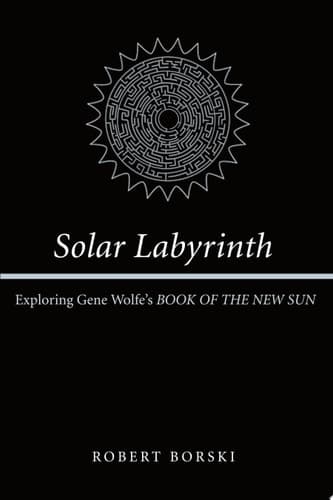
Solar Labyrinth Exploring Gene Wolfe's Book of the New Sun
by Robert Borski
This is the curveball recommendation, but hear me out: Wolfe builds his dying-world fantasy with the same architectural precision that Games Workshop uses for Warhammer—every detail matters, nothing is wasted, and the setting itself becomes a character. Unlike Crews' straightforward action, Wolfe makes you work for understanding, but if you loved the *texture* of Warhammer's gothic detail, you'll find Wolfe's prose creates an even richer, stranger world. It's from 1980, so it predates your source material and shows how far back this kind of intricate worldbuilding goes.
View book
Elric of Melnibone
by Michael Moorcock
Moorcock essentially invented the template for dark-fantasy sword-and-sorcery that Warhammer would later refine, and his Elric stories have that same compressed intensity as Crews' collection—each tale is a complete catastrophe that moves at breakneck speed. The difference is Moorcock's protagonist carries a cursed sword that actively sabotages his attempts at heroism, which gives the chaos a philosophical edge beyond just 'evil armies attack.'
View book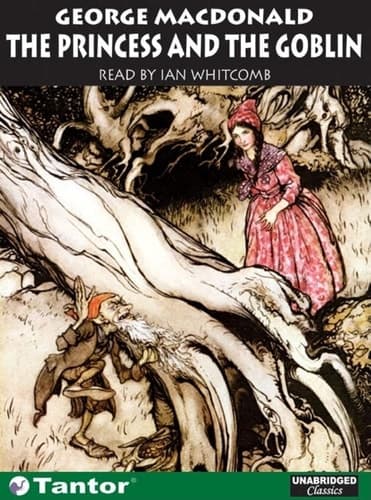
The Princess and the Goblin
by George MacDonald
This might seem like a departure—it's fundamentally about court politics and kindness rather than warfare—but Addison constructs her fantasy world with the same obsessive attention to detail and internal logic that makes Warhammer feel real. If you appreciated the *worldbuilding infrastructure* of Realm of Chaos (the sense that this is a fully-realized place with rules), you'll find Addison does something similar but focuses on how institutions actually function rather than how they fall apart.
View bookAbout Harry Crews
Biography coming soon.
View author page