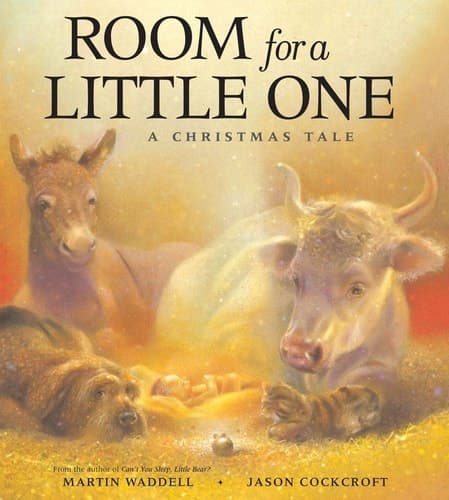
Room for a Little One A Christmas Tale
Martin WaddellPublished2006
Pages32
Formathardcover
PublisherMargaret K. McElderry Books
Synopsis
That cold winter's night,
beneath the star's light...
...a Little One came for the world.
Recommendations
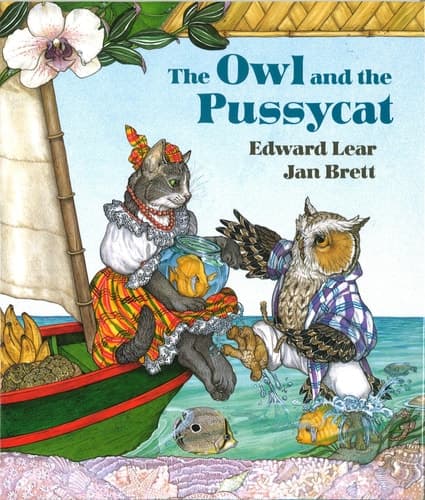
The Owl and the Pussycat
by Edward Lear
Like Waddell, Lear builds entire worlds through rhythm and repetition—his nonsense verse has that same gentle inevitability as a lullaby, where impossible things (a cat and owl sailing away together) feel perfectly natural and deeply comforting. Both writers understand that children's literature works best when it trusts the music of language to do the emotional heavy lifting.
View book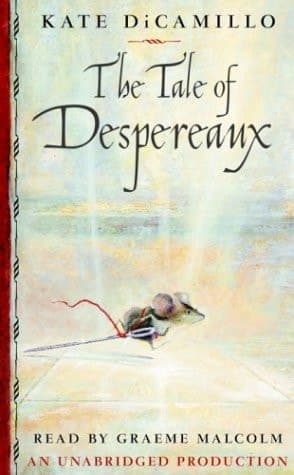
The Tale of Despereaux
by Kate DiCamillo
DiCamillo shares Waddell's gift for making small creatures feel monumentally important—her mouse hero has the same earnest, determined sweetness as the animals in Room for a Little One. Both books wrap their stories in a kind of storybook formality that makes even the sadder moments feel held safely within a larger narrative embrace.
View book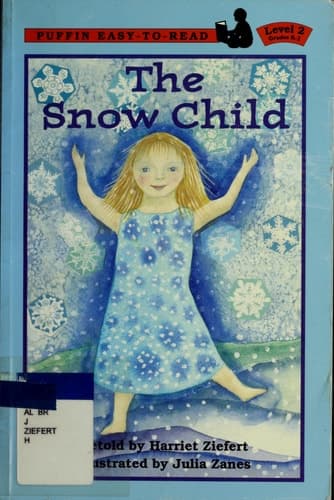
The Snow Child
by Harriet Ziefert
Here's your genre-hop: this is literary fiction set in 1920s Alaska, but it carries the same winter-magic sensibility as Waddell's Christmas tale—a story about longing and arrival, about what appears in the snow and what it means. Ivey writes with the precision of a realist but the heart of a fabulist, much like Waddell does across his picture books.
View book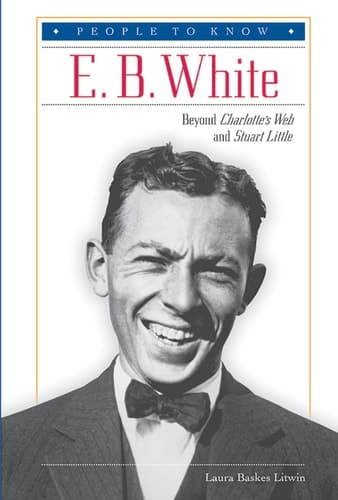
E.B. White Beyond Charlotte's Web and Stuart Little
by Laura Baskes Litwin
Both Waddell and White excel at that particular ache of children's literature—the way they acknowledge loss and mortality without ever becoming bleak. White's spider and pig have the same quiet dignity as Waddell's creatures, and both authors believe that small acts of kindness and connection are genuinely world-changing.
View book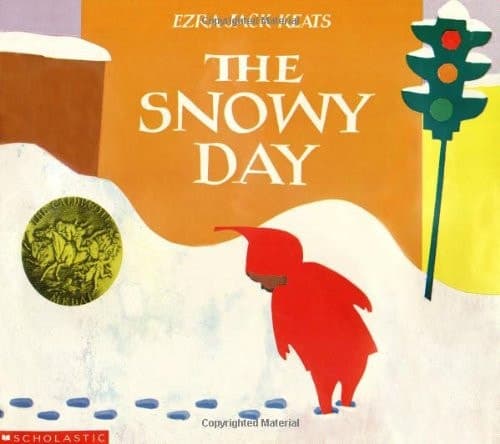
The Snowy Day
by Ezra Jack Keats
Published in 1962, this takes you back a generation and shows you Waddell's artistic ancestors—Keats has that same ability to make a single day feel mythic and timeless. The spare, beautiful illustrations paired with minimal text create an almost meditative quality, and like Room for a Little One, it's fundamentally about wonder and discovery in a cold, beautiful world.
View bookAbout Martin Waddell
Biography coming soon.
View author page