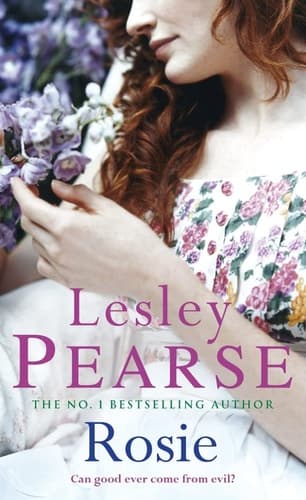
Synopsis
Will Rosie ever escape from her brutal brothers? As a child Rosie Parker spent the war years battling her brutish half-brothers Seth and Norman on the farm under the less-than-watchful eye of her father Cole. But when housekeeper Heather Farley arrives, Rosie finds a mother – and a friend – to look after her. Several years later, Thomas Farley comes to find his sister. Rosie can only tell him that she disappeared in mysterious circumstances, abandoning her small son Alan. Determined to get young Alan and Rosie out of the clutches of Cole and his sons, Thomas helps unearth a terrible truth about the family. A truth that forces Rosie away from the farm and out into a cruel world where she must somehow come to terms with her shocking past. Is it possible that the man who brought ruin on her family might also bring happiness to Rosie?
Recommendations
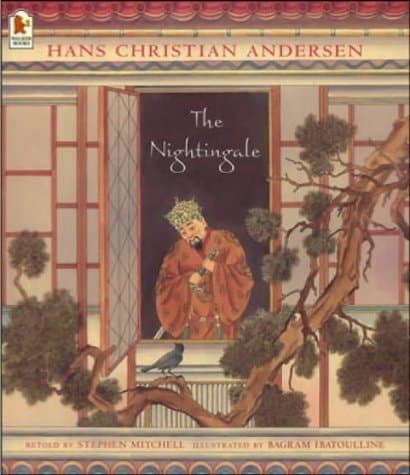
The Nightingale
by Hans Christian Andersen
Hannah captures that same brutal intimacy of family trauma set against historical upheaval—here, Nazi-occupied France instead of wartime England—but what makes this essential for you is how she traces a woman's journey from victimhood to agency. Like Rosie, her protagonist must reckon with impossible choices made under duress and find her own path forward, but Hannah gives you two sisters' perspectives, which deepens the emotional complexity you clearly responded to.
View book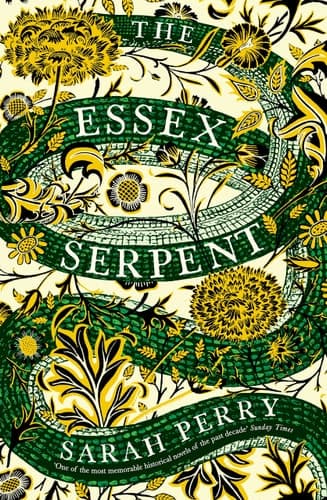
The Essex Serpent
by Sarah Perry
This is my gentle surprise for you—it's quieter and more literary than Pearse, but Perry does something remarkable with how she explores damaged people finding unexpected connection and healing. Set in Victorian Essex with a widow, a vicar, and the mystery of a creature, it has that same sense of a woman stepping into a wider world after confinement, but Perry's prose is almost dreamlike where Pearse is direct. The emotional truth underneath is just as powerful.
View book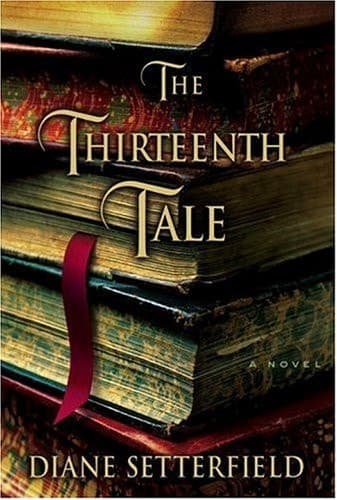
The Thirteenth Tale
by Diane Setterfield
Setterfield constructs her mystery the way a magician reveals a trick—you think you're following one story, then suddenly the architecture shifts and you understand everything differently. Like Rosie, her protagonist is piecing together a family's dark secrets, but Setterfield layers in Gothic atmosphere and unreliable narration that makes the unraveling genuinely suspenseful. Both books understand that sometimes the truth about who we are requires excavating painful family history.
View book
Toni Morrison - Beloved
by Carl Plasa
I know this is a leap from contemporary historical fiction to literary fiction, but Morrison and Pearse are both interested in how trauma inscribes itself on the body and psyche, and how women survive systems designed to break them. Morrison's prose is denser and more poetic, but the emotional core—a woman reckoning with unspeakable loss and the possibility of reclaiming her own story—will resonate deeply if Rosie's journey moved you. This one demands more from you as a reader, but it's worth every page.
View book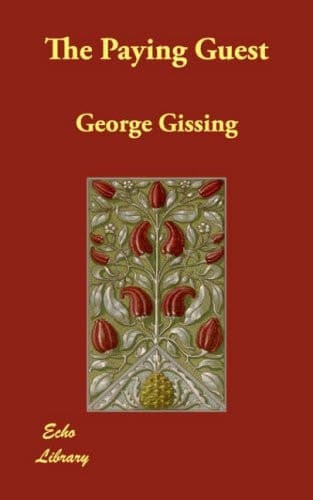
The Paying Guest
by George Gissing
Waters sets this in 1920s London with two women whose lives become entangled with a lodging family, and she builds tension the way Pearse does—through small, accumulating details that suddenly explode into revelation. What you'll appreciate is how Waters examines how women navigate constrained circumstances and make dangerous choices for connection and autonomy. The period detail is immersive without overwhelming the character work, much like Rosie's farm setting grounds its emotional stakes.
View bookAbout Lesley Pearse
Biography coming soon.
View author page