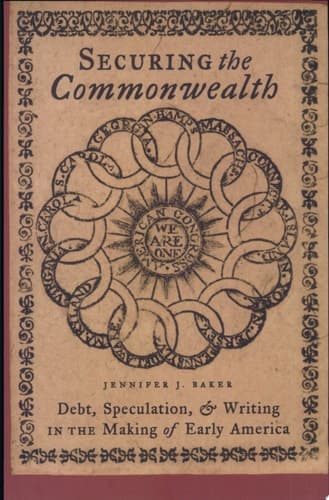
Securing the Commonwealth Debt, Speculation, and Writing in the Making of Early America
Jennifer J. BakerPublished2005
Pages218
Formathardcover
PublisherJHU Press
Synopsis
Securing the Commonwealth examines how eighteenth-century American writers understood the highly speculative financial times in which they lived. Spanning a century of cultural and literary life, this study shows how the era's literature commonly depicted an American ethos of risk taking and borrowing as the peculiar product of New World daring and the exigencies of revolution and nation building.
Some of the century's most important writers, including Cotton Mather, Benjamin Franklin, Royall Tyler, Charles Brockden Brown, and Judith Sargent Murray, believed that economic and social commonwealth—and one's commitment to that commonwealth—might be grounded in indebtedness and financial insecurity. These writers believed a cash-poor colony or nation could not only advance itself through borrowing but also gain reputability each time it successfully paid off a loan. Equally important, they believed that debt could promote communality: precarious public credit structures could exact popular commitment; intricate financial networks could bind individuals to others and to their government; and indebtedness itself could evoke sympathy for the suffering of others.
Close readings of their literary works reveal how these writers imagined that public life might be shaped by economic experience, and how they understood the public life of literature itself. Insecure times strengthened their conviction that writing could be publicly serviceable, persuading readers to invest in their government, in their fellow Americans, and in the idea of America itself.
Recommendations
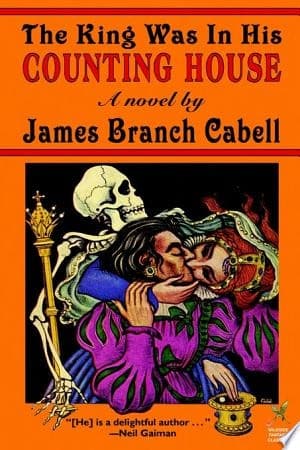
The King Was in His Counting House
by James Branch Cabell
Cockton's 1840s novel treats commercial life and financial anxiety with the same literary seriousness Baker finds in her eighteenth-century writers, but he adds a darkly comic sensibility to the precariousness of credit and reputation. If you appreciated how Baker's writers made debt into a moral and communal question, you'll find Cockton wrestling with those same tensions a generation later, when capitalism has become even more byzantine and absurd.
View book
The Autobiography of Benjamin Franklin - 1896
by Benjamin Franklin
Since Baker analyzes Franklin's literary imagination around credit and risk, reading his own voice directly—particularly his famous passages on industry, borrowing, and self-fashioning—lets you see how he performed the very ideas Baker traces in his other writings. It's a chance to catch Franklin constructing his own reputation in real time, which is precisely what Baker argues his literary works were doing for the nation.
View book
The remains of the day de Kazuo Ishiguro
by Gallix/François
This might seem like a departure, but Ishiguro's narrator is obsessed with duty, service, and emotional debt in ways that echo Baker's argument about how indebtedness creates communal bonds and personal obligation. The novel's unreliable narrator gradually reveals how he's mortgaged his entire emotional life to an institution, making visible the psychological cost of the very kind of commitment Baker finds celebrated in early American literature.
View book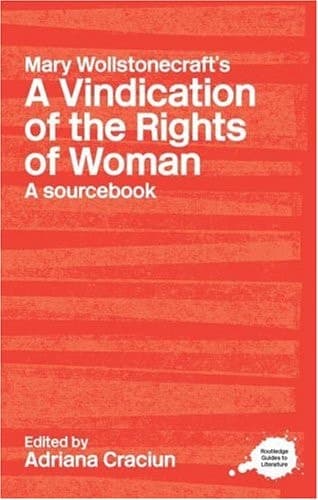
A Routledge Literary Sourcebook on Mary Wollstonecraft's A Vindication of the Rights of Woman
by Adriana Craciun
Wollstonecraft's 1792 polemic is a contemporary of the writers Baker studies, and she's arguing fiercely about women's economic dependence and intellectual credit in ways that directly challenge the male-centered financial narratives Baker examines. Reading her alongside Baker gives you the counterargument—how women were systematically excluded from the very networks of debt and obligation that supposedly bound the commonwealth together.
View book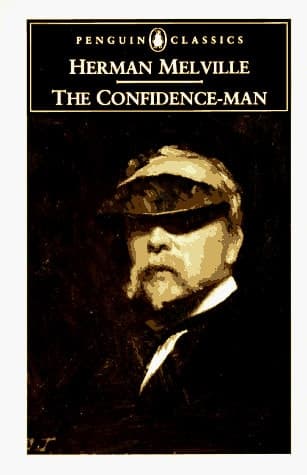
The Confidence-Man His Masquerade
by Herman Melville
Published in 1857, Melville's novel takes the speculative anxiety and credit-based social bonds that Baker finds in earlier writers and turns them into a darkly comic nightmare aboard a riverboat full of con artists and the credulous. It's what happens when the optimistic faith in debt-as-communal-glue meets a world where everyone's trying to swindle everyone else—a kind of dystopian answer to the literature Baker analyzes.
View bookAbout Jennifer J. Baker
J
Jennifer J. Baker
Born 1968
Biography coming soon.
View author page