
Skin: Talking About Sex, Class And Literature
Dorothy AllisonPublished1994
Pages261
Formatpaperback
PublisherFirebrand Books
Synopsis
Compelling collection of autobiographical narratives, essays, and performance pieces They don't write much better than this.
Recommendations
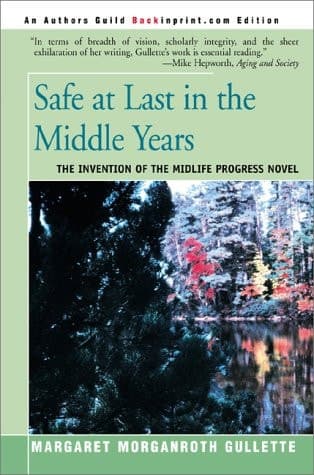
Safe at Last in the Middle Years The Invention of the Midlife Progress Novel: Saul Bellow, Margaret Drabble, Anne Tyler, and John Updike
by Margaret Morganroth Gullette
Ernaux uses fragmented narrative and cultural observation to excavate class and identity across decades of French life, much like Allison does with Southern working-class experience. Both writers refuse sentimentality while examining how bodies, economics, and social position shape who we're allowed to become—but Ernaux's approach is more sociological and collective where Allison is fiercely personal.
View book
Blues and Roots/Rue and Bluets A Garland for the Southern Appalachians
by Jonathan Williams
Nelson's lyric essay about color, desire, and heartbreak shares Allison's willingness to blur genres and make intellectual rigor feel like intimate confession. Where Allison builds arguments through lived experience, Nelson builds them through fragments—art history, philosophy, personal narrative—but both writers treat thinking itself as a sensual, embodied act.
View book
The Book of Disquiet
by Fernando Pessoa
A surprise recommendation, but stay with me: Pessoa's fragmented philosophical diary from the 1910s-30s shares Allison's interest in how identity fractures under observation. While Allison grounds everything in material reality and sexuality, Pessoa floats in abstraction—but both writers refuse the comfort of a unified self, and both make that refusal feel urgent and necessary.
View book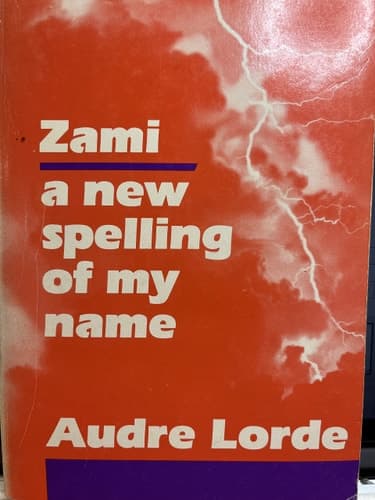
Zami, a New Spelling of My Name
by Audre Lorde
Lorde's biomythography (her term) does what Allison does—refuses to separate the political from the erotic, the intellectual from the bodily—but Lorde writes from Black lesbian experience and weaves in Caribbean mythology and spiritual practice. Both writers understand that telling the truth about desire and class is a radical act, but they're reaching toward different kinds of freedom.
View book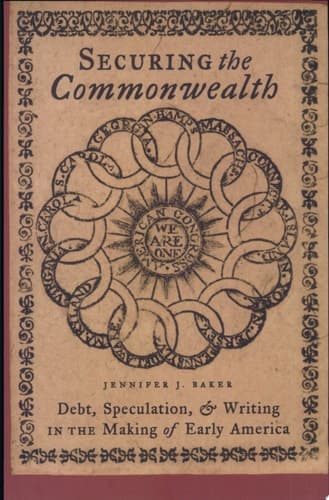
Securing the Commonwealth Debt, Speculation, and Writing in the Making of Early America
by Jennifer J. Baker
Offill's fragmented novel about marriage, motherhood, and intellectual life uses white space and brevity where Allison uses narrative momentum, but both writers are after the same thing: how to tell the truth about women's lives without the false coherence that traditional narrative imposes. Offill's sentences feel like shards of thought; Allison's feel like confessions—but both refuse to smooth things over.
View bookAbout Dorothy Allison
D
Dorothy Allison
1949–2024
Biography coming soon.
View author page