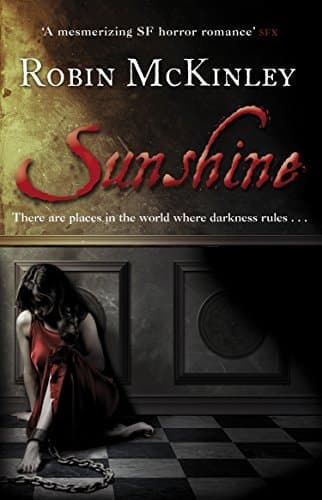
Synopsis
No human has ever allied with a vampire. When Sunshine, who is the baker at a coffee shop, is kidnapped by vampires in a treacherous manoeuvre against one of their own, she knows she will not live to see another morning. But she does, and if a vampire saves her life, doesn't she owe him the same favour?
Recommendations
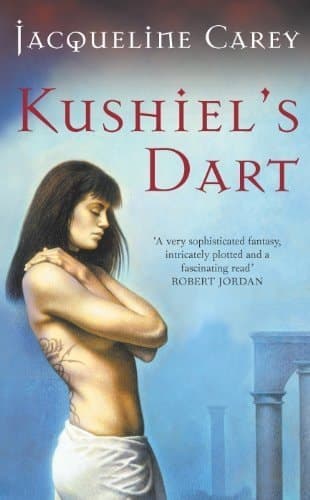
Kushiel's Dart
by Jacqueline Carey
Like Sunshine, this novel centers a resourceful female protagonist who navigates dangerous supernatural politics through intelligence and unexpected alliances rather than conventional power. Carey builds a richly detailed world where the rules of magic and society are discovered alongside the character, creating that same sense of being pulled into something far larger than anticipated—and the central relationship between protagonist and a morally complex supernatural being carries similar emotional weight and tension.
View book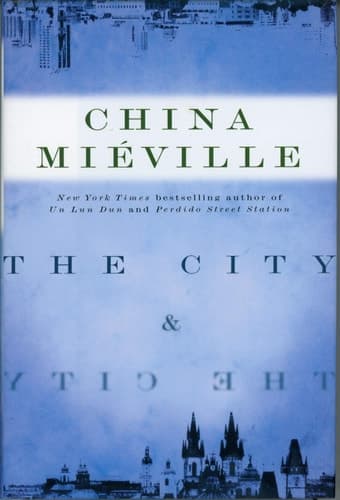
The City & The City
by China Miéville
This is my curveball for you—it's a noir detective novel first, but it operates with the same logic as Sunshine: a mundane professional (a police detective) discovers that the ordinary world contains impossible rules that everyone pretends not to see. Miéville's magic system is built on collective denial rather than spells, and watching the protagonist grapple with what's real versus what's enforced creates that same disorienting, grounded-yet-fantastical atmosphere McKinley achieves.
View book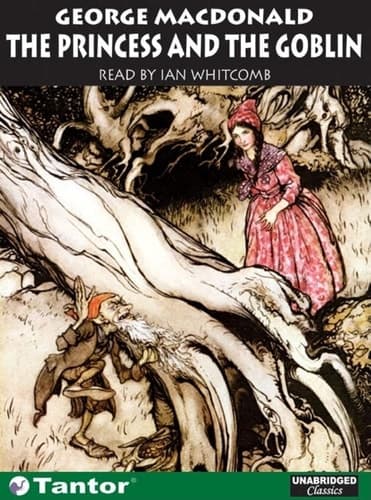
The Princess and the Goblin
by George MacDonald
Addison shares McKinley's gift for making you care about a protagonist who's fundamentally decent in a world full of people playing dangerous games. Like Sunshine, the main character has no formal training for their impossible situation and must navigate court intrigue and supernatural politics through empathy and careful observation rather than magic or violence. The pacing is similarly unhurried, letting you settle into the character's perspective as they learn the rules of their new world.
View book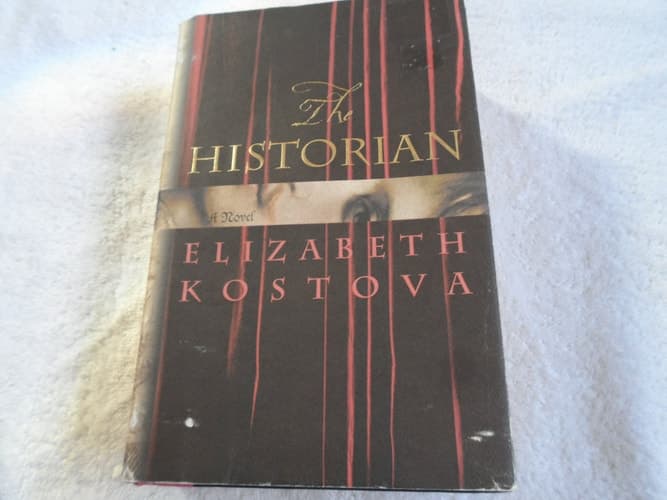
The Historian
by Elizabeth Kostova
Kostova writes vampire mythology the way McKinley does—as something rooted in real history and geography, not gothic cliché. The novel unfolds through nested narratives of scholars chasing a legend, and like Sunshine, it treats the supernatural as something that intersects with ordinary life and scholarship rather than existing in a separate fantasy realm. Both books have that quality of slowly peeling back layers to understand what's actually true about creatures we thought we knew.
View book
The Last Sorcerers The Path from Alchemy to the Periodic Table
by Richard Morris
Set in Regency England with magic woven into the social fabric, Cho creates a world where supernatural politics operate alongside (and within) human society—much like McKinley does. The protagonist is someone navigating a system that wasn't built for him, forming unexpected alliances with people who should be enemies, and the book has that same dry wit mixed with genuine danger that makes Sunshine so compelling. Published in 2015, it also gives you a more recent take on the paranormal-in-the-mundane approach.
View bookAbout Robin McKinley
R
Robin McKinley
Born 1952
Biography coming soon.
View author page