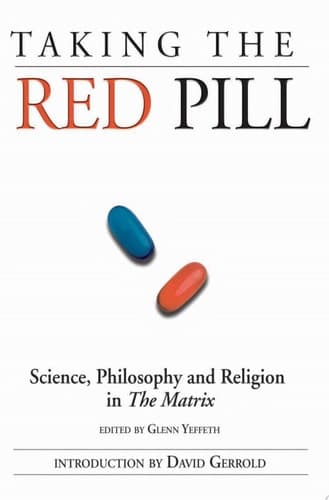
Taking the Red Pill Science, Philosophy and the Religion in the Matrix
Glenn YeffethPublished2003
Pages288
Formatpaperback
PublisherBenBella Books, Inc.
Synopsis
Dive into the world of The Matrix ahead of the 2021 release of Lana Wachowski’s The Matrix Resurrections!
Taking the Red Pill is a thought-provoking, mind-expanding thrill ride through The Matrix, examining the technological challenges, religious symbolism, and philosophical dilemmas the film presents.
Renowned scientists, technologists, philosophers, scholars, social commentators, and science fiction authors provide engaging and provocative perspectives:
• Inventor and technologist Ray Kurzweil reveals the technological trends that make The Matrix more prophetic than anyone suspects
• Sun chief scientist Bill Joy’s classic essay “Why the Future Doesn’t Need Us” describes the horrors that await as these technologies are developed
• Yale philosopher and occasional standup comic Nick Bostrom calculates the odds that we are in the Matrix
• Best-selling science fiction author Robert J. Sawyer explores the history of artificial intelligence in science fiction culminating with The Matrix
• Economist and philosopher of science Robin Hanson shows how we are controlled by a power as malevolent as that of the Matrix
Taking the Red Pill will change how you view The Matrix—and the world around you.
Recommendations
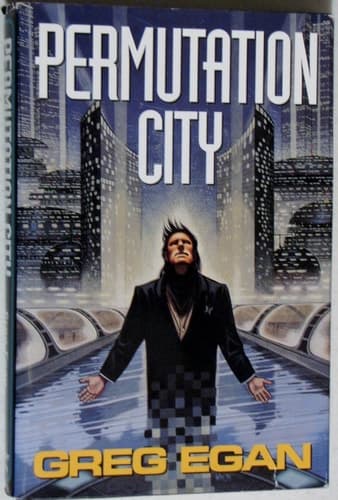
Permutation City
by Greg Egan
Egan takes the simulation hypothesis that Bostrom calculates in your book and builds an entire universe around it—but his approach is ruthlessly mathematical rather than cinematic. Where The Matrix asks 'what if reality is fake?', Egan asks 'what does consciousness even mean if you can copy it, pause it, or run it at different speeds?', and he doesn't flinch from the uncomfortable answers.
View book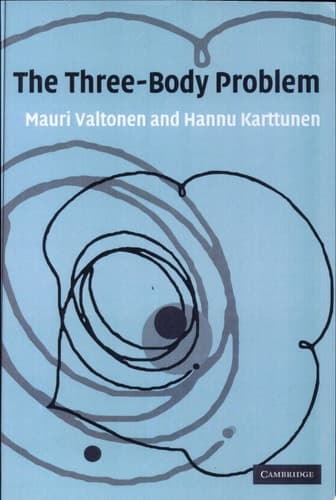
The Three-Body Problem
by Mauri J. Valtonen
Liu shares Kurzweil's fascination with technological acceleration and its consequences, but filters it through Chinese history and game theory rather than Silicon Valley optimism. The way he uses a video game as a philosophical tool to explore humanity's relationship with an unknowable threat echoes The Matrix's use of simulation to examine control and free will.
View book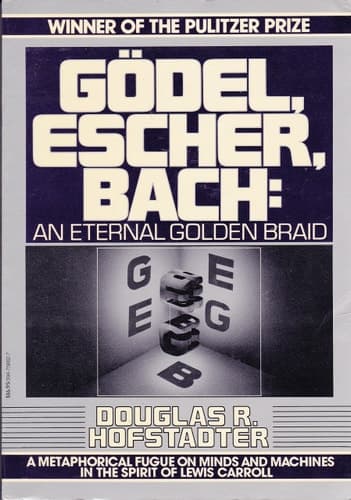
Gödel, Escher, Bach: An Eternal Golden Braid
by Douglas Hofstadter
This is my wildcard recommendation, but hear me out: Hofstadter explores consciousness, artificial intelligence, and self-reference through mathematics, art, and music rather than narrative. If you found yourself fascinated by the philosophical architecture underlying The Matrix—how systems can become aware of themselves—this book builds that same kind of mind-bending structure, just in essay form rather than through plot.
View book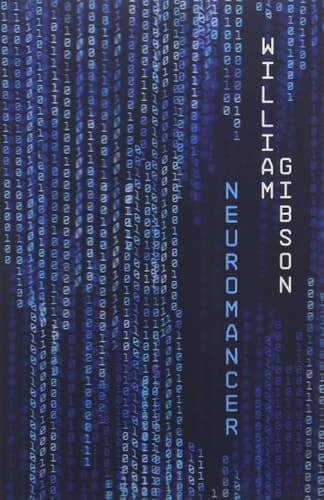
Neuromancer
by William Gibson
Gibson wrote the template that The Matrix borrowed from, but his vision is grittier and more fragmented—less about choosing red or blue pills and more about navigating a world where the digital and physical have already collapsed into each other. The religious symbolism you appreciated in The Matrix appears here too, but woven into the texture of a cyberpunk noir rather than explicitly.
View book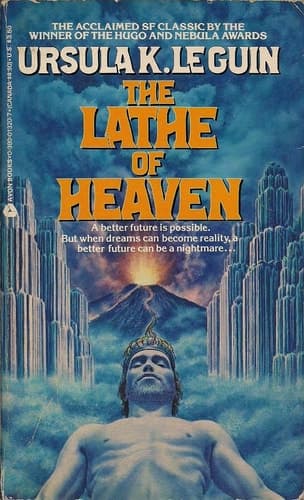
The Lathe of Heaven
by Ursula K. Le Guin
Le Guin's 1971 novella predates The Matrix by decades, but it shares something crucial: the exploration of how power operates through control of reality itself. Where The Matrix uses technology, Le Guin uses dreams—but both ask the same unsettling question about whether changing the world for 'good' reasons is still a form of tyranny. Her prose is also a refreshing counterpoint to the essay collection you just finished.
View bookAbout Glenn Yeffeth
G
Glenn Yeffeth
Born 1961
Biography coming soon.
View author page