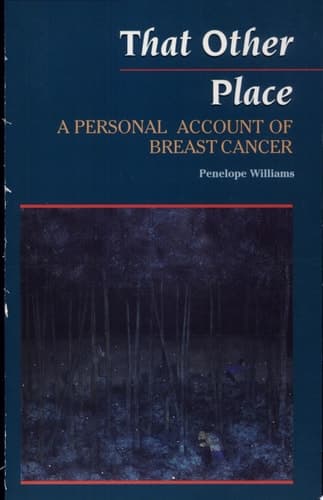
That Other Place A Personal Account of Breast Cancer
Penelope WilliamsPublished1996
Pages232
Formatpaperback
PublisherDundurn
Synopsis
In 1988 Penelope Williams was told she had breast cancer. And with this pronouncement she found herself flung into a different world, one with a reluctant citizenry and a frightening terrain. That Other Place is an absorbing and utterly candid account of Penny's journey in this country.
Each stage of the journey provides an illuminating view on issues such as conventional cancer treatments, research, the mythical cancer personality, cancer shibboleths and holistic mind/body medicine.
This is a story written from a cancer patient's point of view. The subject is grim, and Penny is unflinching in descrbing the reality of the pain and terror on initial diagnosis and treatment, the whole wrenching process of the change of perceptions, lifestyle and goals. The reader is taken on the roller coaster of emotions experienced in a world knocked out of focus by the blow of sudden, perhaps terminal, illness. But there is also humour sometimes black, sometimes liberating. And there is emphasis on the bonds of support among cancer sufferers, an empathy as important to the healing process as medical treatment.
In writing That Other Place, Penny gained a measure of control over the dragon. She concludes her story with words of honesty and courage, knowing that self-proclaimed cancer survivors lose their impact as role models when they die: "It is enough to say I am here; and here is always the goal, not a milestone to somewehre else."
Recommendations
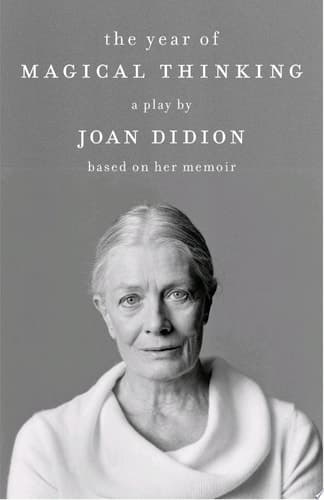
The Year of Magical Thinking A Play by Joan Didion Based on Her Memoir
by Joan Didion
Like Williams, Didion writes with unflinching precision about sudden catastrophe—in her case, the death of her husband—and how it shatters the architecture of daily life. Both authors refuse sentimentality while exploring how we construct meaning in the aftermath of trauma, and both use their own voices as the primary instrument of investigation rather than relying on conventional wisdom.
View book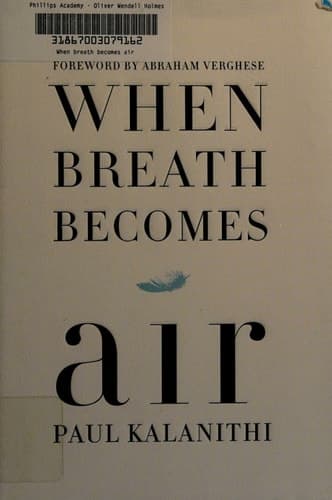
When Breath Becomes Air Pulitzer Prize Finalist
by Paul Kalanithi
Kalanithi, a neurosurgeon confronting terminal cancer, writes from the opposite vantage point—the doctor who becomes patient—but shares Williams's refusal to offer false comfort or neat resolution. Both explore how illness forces a complete recalibration of identity and purpose, and both find unexpected clarity in the specificity of physical experience rather than abstract philosophy.
View book
Assault With a Deadly Weapon: The Autobiography of a Street Criminal
by John Allen
Here's the outlier: while Williams examines holistic and mind-body approaches to cancer within a Western medical framework, Yogananda offers a spiritual autobiography that explores consciousness and healing from an entirely different philosophical tradition. The surprise here is that both authors take the inner life seriously without dismissing scientific medicine—they're asking similar questions about what healing actually means, just from opposite ends of the spectrum.
View book
313 Ways to Slash Your Business Overheads: A Bright Idea for Every Day of the Year (With One Day Off a Week!)
by Gary Long
Riggs writes about her own terminal diagnosis with the same dark humor and emotional honesty that Williams brings to her account, but Riggs also weaves in letters to her two young sons, creating a conversation across time about what matters when time runs out. Both authors refuse the role of inspirational cancer survivor and instead offer something rarer: the texture of actually living within uncertainty.
View book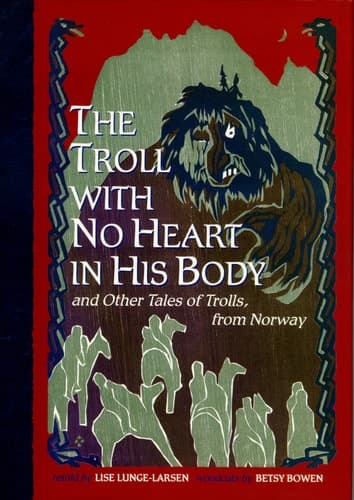
The Troll with No Heart in His Body and Other Tales of Trolls from Norway
by Lise Lunge-Larsen
A deliberately unconventional choice: Acker's fragmented, genre-bending exploration of bodies, illness, and identity challenges how we narrate medical experience in ways that complement rather than repeat Williams's approach. Where Williams uses clear narrative to map her cancer journey, Acker uses disruption and collage to capture how illness fragments our sense of coherence—two different literary strategies for the same fundamental question about embodiment and control.
View bookAbout Penelope Williams
Biography coming soon.
View author page