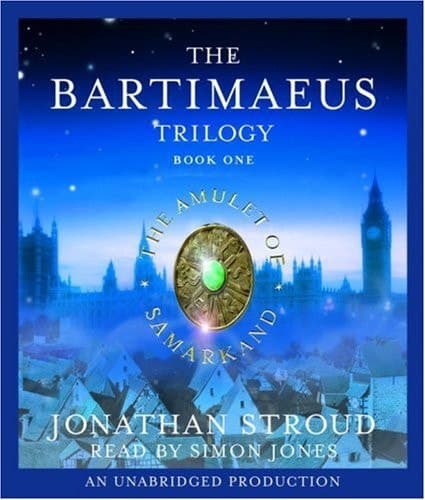
Synopsis
Nathaniel is eleven years old and a magician’s apprentice, learning the traditional arts of magic. All is well until he has a life-changing encounter with Simon Lovelace, a magician of unrivaled ruthlessness and ambition. When Lovelace brutally humiliates Nathaniel in public, Nathaniel decides to speed up his education, teaching himself spells way beyond his years. With revenge on his mind, he masters one of the toughest spells of all and summons Bartimaeus, a five-thousand-year-old djinni, to assist him. But summoning Bartimaeus and controlling him are two different things entirely, and when Nathaniel sends the djinni out to steal Lovelace’s greatest treasure, the Amulet of Samarkand, he finds himself caught up in a whirlwind of magical espionage, murder, and rebellion.
Set in a modern-day London spiced with magicians and mystery, The Amulet of Samarkand is an extraordinary, edge-of-your-seat thriller with many unexpected twists. Following Bartimaeus and Nathaniel in turn, the story introduces us to two wonderfully memorable characters–destined to go through many adventures together and bound by a spell that is nearly impossible to break.
Recommendations
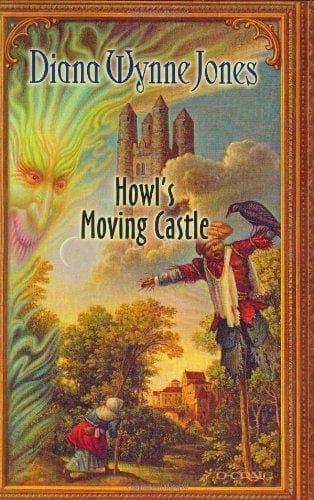
Howl's Moving Castle
by Diana Wynne Jones
Jones shares Stroud's gift for pairing a young protagonist with a far more powerful, morally ambiguous magical being—and like Bartimaeus, Howl is vain, witty, and constantly exasperated by his human companion. The magic system feels lived-in and practical rather than grandiose, and there's that same delicious tension between characters who need each other but would rather bicker.
View book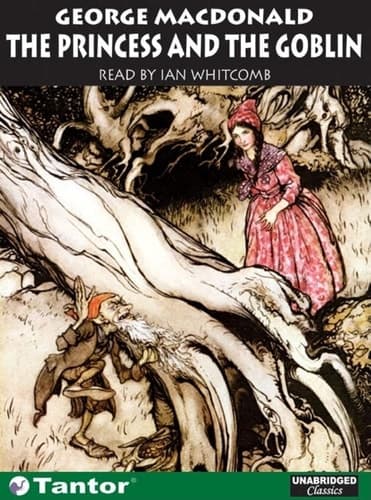
The Princess and the Goblin
by George MacDonald
This one's a bit of a departure from Stroud's spy-thriller pacing, but it shares something crucial: a young protagonist suddenly thrust into a world of magical politics where he's vastly outmatched and must learn the rules quickly or die. Addison focuses on court intrigue and the weight of responsibility rather than action sequences, but the emotional stakes feel just as high as Nathaniel's.
View book
The Last Sorcerers The Path from Alchemy to the Periodic Table
by Richard Morris
Cho writes Regency-era London with magicians operating in the shadows of society, much like Stroud's contemporary setting, but she adds a layer of social commentary about power and prejudice that Stroud hints at but doesn't fully explore. The protagonist relationships crackle with the same kind of verbal sparring you loved between Nathaniel and Bartimaeus, and the magic feels genuinely consequential.
View book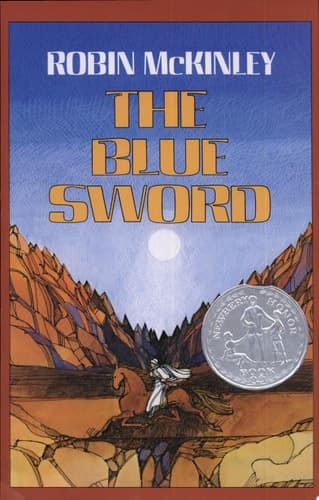
The Blue Sword
by Robin McKinley
Published in 1982, this gives you that earlier-decade perspective while maintaining the same propulsive narrative energy. McKinley's heroine learns magic and combat from a culture not her own, and like Nathaniel, she's constantly discovering she's in over her head—but the focus is on her growing competence and the genuine friendships she builds, rather than revenge. It's less cynical than Stroud but equally gripping.
View book![Cover of Giovanni Ba[t]tista Piranesi The Prisons (le Carceri)](/_next/image?url=https%3A%2F%2Fcovers.whatshouldireadnext.com%2Feditions%2F9780486215402%2Flg.jpg&w=3840&q=75)
Giovanni Ba[t]tista Piranesi The Prisons (le Carceri)
by Giambattista Piranesi
Here's your surprise pick: Clarke writes literary fantasy that feels almost like a puzzle-box mystery. Where Stroud gives you unreliable narrators who gradually reveal their true natures, Clarke does something similar but with an entire world—the magic is subtle, the worldbuilding is architectural rather than explained, and you'll find yourself rereading passages once you understand what's actually happening. It's quieter than Amulet, but the sense of being manipulated by forces you don't understand is remarkably similar.
View bookAbout Jonathan Stroud
J
Jonathan Stroud
Born 1970
Jonathan Anthony Stroud (born 27 October 1970) is a British writer of fantasy fiction, best known for the Bartimaeus young adult sequence and Lockwood & Co. children's series. His books are typically set in an alternative history London with fantasy elements, and have received note for his satire, and use of magic to reflect themes of class struggle. The Bartimaeus sequence is the recipient of the Grand Prix de l'Imaginaire and Mythopoeic Fantasy Awards. Stroud's works have also been featured on ALA Notable lists of books for children and young adults.
View author page