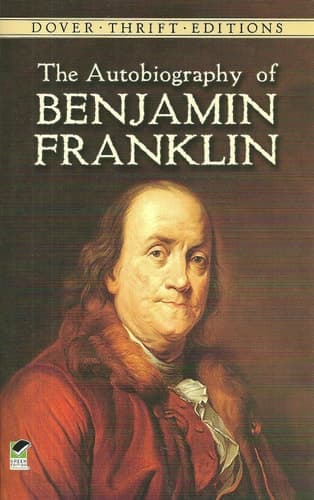
The Autobiography of Benjamin Franklin
Benjamin FranklinPublished1996
Pages208
Formatpaperback
PublisherWordsworth American Library
Synopsis
This classic is Franklin's last word on his greatest literary creation--his own invented persona, the original incarnation of the American success story.
Recommendations
One Day, when I was Lost A Scenario Based on Alex Haley's "The Autobiography of Malcolm X"
by James Baldwin
Like Franklin, Malcolm X constructs a deliberate self-portrait that's inseparable from his era's larger story—but where Franklin's persona embodies optimistic reinvention, Malcolm's traces a more turbulent journey of self-discovery and ideological transformation. Both men use their life narratives to argue for what's possible in America, just from radically different vantage points.
View book
The remains of the day de Kazuo Ishiguro
by Gallix/François
This is my surprise pick for you—it's a character study rather than a historical account, but Stevens's unreliable narration does something Franklin does brilliantly: reveal the gap between who someone claims to be and who they actually are. Ishiguro uses that tension to explore duty, regret, and the stories we tell ourselves about our lives, which is precisely Franklin's game.
View book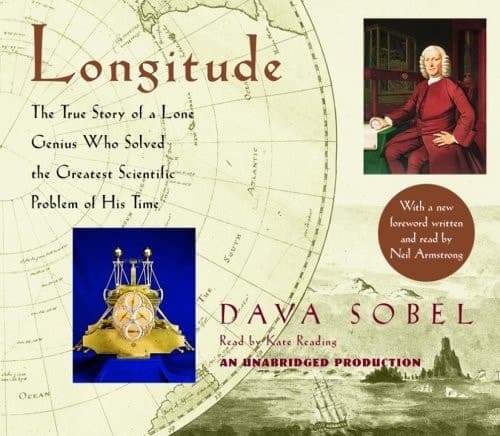
Longitude
by Dava Sobel
Sobel captures the same spirit of ingenious problem-solving and practical ambition that animates Franklin's account, but through the lens of John Harrison's obsessive quest to solve the longitude problem. It's history written with narrative momentum—you'll recognize Franklin's world of Enlightenment tinkerers and the hunger to leave a mark on human knowledge.
View book
The Education of Henry Adams
by Henry Adams
Adams writes his own autobiography a century after Franklin, and it's essentially a meditation on how the world outpaced the lessons of his upbringing—a kind of anti-Franklin narrative where the old formulas stop working. If you're curious about how American self-making evolved and fractured, this is the necessary counterpoint to Franklin's optimism.
View book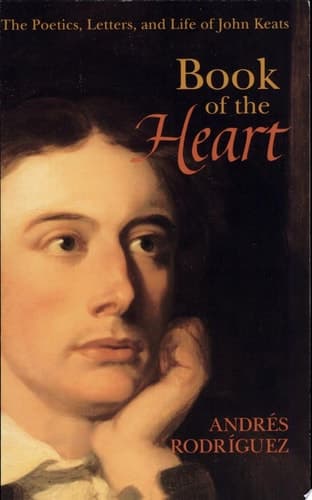
Book of the Heart The Poetics, Letters, and Life of John Keats
by Andrés Rodríguez
A departure into pure correspondence, but hear me out: Keats's letters reveal a mind constantly examining itself, revising its own philosophy in real time—much like Franklin's autobiography, but more intimate and less polished. You'll see a young artist grappling with ambition, failure, and what it means to matter, written with an immediacy that autobiography can't quite capture.
View bookAbout Benjamin Franklin
B
Benjamin Franklin
1706–1790
A noted polymath, Franklin was a leading author and printer, political theorist, politician, postmaster, scientist, inventor, satirist, civic activist, statesman, and diplomat.
View author page