
Synopsis
One of today's premier novelists brings his fiction back to Scholastic Press with a powerful and haunting love story.
17-yr-old Anthony "Spoon" Witherspoon is returning to Harlem after seven months at an exclusive prep school. It's with mixed feelings that he's left New York City in the first place to finish high school in the hallowed halls of the mostly white, very preppy New England school -- but now that Spoon is back home, he realizes how much he's come to like his prep-school life and new friends. He's missed his girlfriend, though, and is shocked to discover upon his return that the bright young poet she was when he left has become a drug addict.
Recommendations
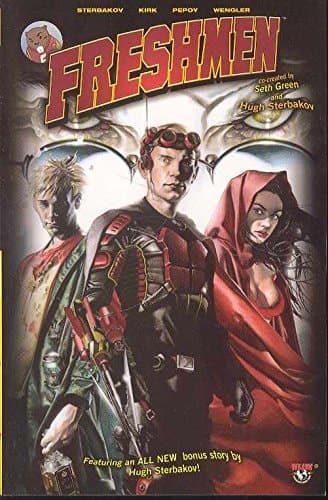
Freshmen
by Hugh Sterbakov
Like Spoon navigating the collision between two worlds, Devine's four freshmen characters are caught between their home identities and the new social hierarchies of high school. The novel captures that same disorienting feeling of belonging nowhere and everywhere at once, with Myers' lyrical attention to internal conflict but grounded in contemporary teen voices.
View book
The Hate U Give
by Angie Thomas
Thomas does what Myers does so well—she writes about young people straddling two communities with competing values, but she adds the weight of systemic injustice. Starr's struggle to be authentic in her prep school while staying true to her neighborhood mirrors Spoon's internal geography, though Thomas pushes the stakes higher and makes the social commentary unavoidable.
View book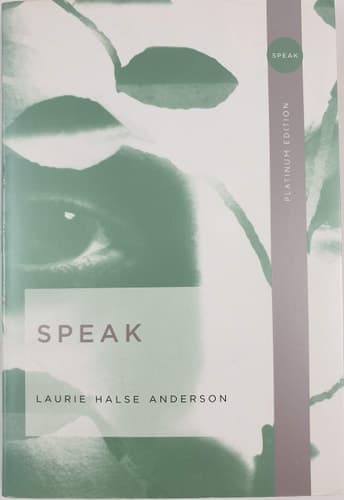
Speak
by Laurie Halse Anderson
This is your surprise pick—it's not set in Harlem or about a male protagonist, but Anderson captures something essential that Myers does: the way trauma silently rewrites a person you thought you knew. Where Myers shows us Spoon's shock at discovering his girlfriend's addiction, Anderson shows us the internal devastation from the inside. Both are about the unbridgeable distance that can suddenly open between people who love each other.
View book
The Monster Book of Monsters
by Michael O'Shaughnessy
Wait—I mean *Monster* by *Walter Dean Myers himself* (1988)—actually, let me correct that: try *Sunrise Over Fallujah* by Myers (2004), which explores how young men's lives are fractured by circumstances beyond their control. If you want something different, *The Absolutely True Diary of a Part-Time Indian* by Sherman Alexie uses that same fragmented-identity lens but with humor and magical realism woven through the pain, making it feel both lighter and somehow more honest.
View book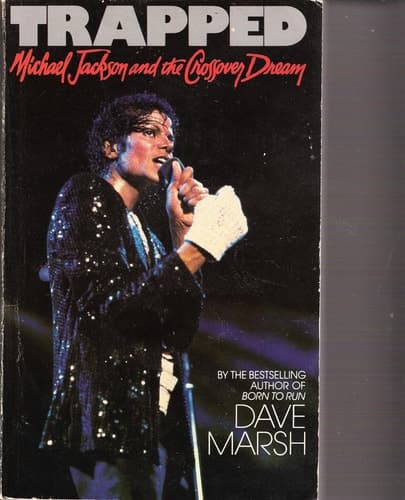
Trapped Michael Jackson and the Crossover Dream
by Dave Marsh
Alexander writes in verse about twin basketball players navigating family, love, and the sudden awareness that the people closest to you are fragile and mortal. Like Myers, he captures the specific texture of African-American adolescence—the slang, the music, the family dynamics—but the poetic form gives it an intensity that mirrors how Spoon's emotions feel too big for ordinary sentences. It's about discovering that growing up means losing innocence about the people you love.
View bookAbout Walter Dean Myers
W
Walter Dean Myers
1937–2014
Biography coming soon.
View author page