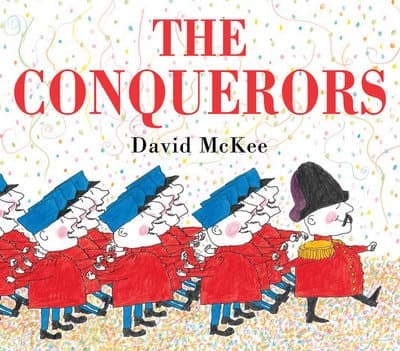
Synopsis
How can a country without an army conquer anyone? David McKee's profound story and delightful childlike pictures frame a quiet plea for peace. The ruling general of a dominant country conquered all his neighbors in order to rule as much as possible. This plan worked, until there was only one small jovial country left. When the soldiers went there to subjugate it, they were persuaded out of their uniforms, into the taverns, and onto the dance floors. However many times soldiers were sent home and replaced by new recruits, each one was suborned; and the returning military took back with them the traditions and music of the conquered nation. Just who has conquered whom?
Recommendations
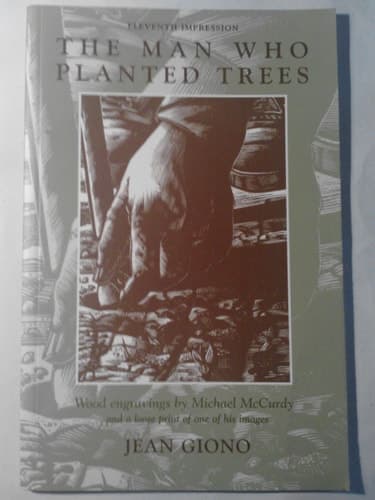
The Man who Planted Trees
by Jean Giono
Like McKee's general discovering he's been conquered by culture rather than force, Giono's shepherd transforms an entire landscape through patient, quiet persistence—proving that the gentlest methods can reshape the world more thoroughly than any show of strength. Both stories operate on the principle that what seems weak is actually invincible.
View book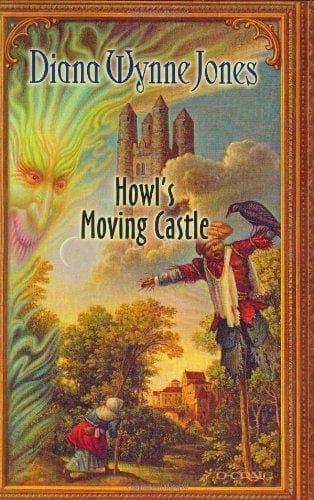
Howl's Moving Castle
by Diana Wynne Jones
Jones shares McKee's gift for wrapping profound observations about power and agency in whimsy—here, a young woman discovers that her supposed powerlessness is actually her greatest strength, and that the real conquest happens through connection rather than dominance. The tone is lighter than McKee, but the subversion of expectations works the same way.
View book
The Apocalyptic Vision of Mikhail Bulgakov's the Master and Margarita (Studies in Slavic Language & Literature)
by Edward E. Ericson
This 1960s Soviet novel operates in McKee's territory—showing how ideas, art, and human connection ultimately outlast any regime's attempt to control them—but Bulgakov builds an elaborate, darkly comic world where the Devil himself becomes a tool for exposing truth. It's a surprise recommendation because it's dense literary fiction rather than a picture book, yet both authors use narrative misdirection to make their anti-authoritarian point.
View book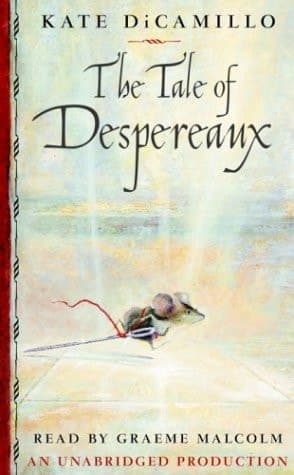
The Tale of Despereaux
by Kate DiCamillo
DiCamillo writes with McKee's understanding that forgiveness and love are more powerful than punishment—her mouse hero conquers a kingdom not through strength but through his refusal to hate, even those who've wronged him. Both works believe in the radical power of choosing connection over conflict.
View book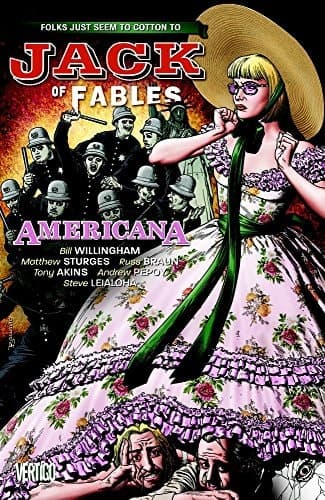
Jack of Fables Vol. 4: Americana
by Bill Willingham
This graphic novel series takes the fable tradition McKee works in and asks: what happens when the conquered characters from our stories get to tell their own? It's McKee's inversion-of-power theme expanded into a full world where the supposedly defeated have their own agency and complexity. The visual storytelling has that same deceptive simplicity hiding deeper meaning.
View bookAbout David McKee
D
David McKee
1935–2022
Biography coming soon.
View author page