
Synopsis
Rthur Miller's classic play about the witch-hunts and trials in 17th century Salem is a searing portrait of a community engulfed by hysteria. In the rigid theocracy of Salem, rumors that women are practicing witchcraft galvanize the town's most basic fears and suspicions. The ruthlessness of the prosecutors and the eagerness of neighbor to testify against neighbor brilliantly illuminate the destructive power of socially-sanctioned violence.
Recommendations
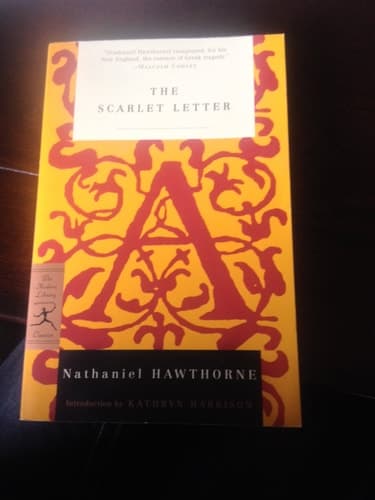
Nathaniel Hawthorne, The Scarlet Letter
by Elmer Kennedy-Andrews
Hawthorne captures that same suffocating Puritan atmosphere where public shame becomes a weapon and moral judgment corrodes entire communities from within. Like Miller, he's fascinated by how societies weaponize virtue against the vulnerable—but he explores it through the interior lives of his characters, showing you the psychological toll of living under constant scrutiny.
View book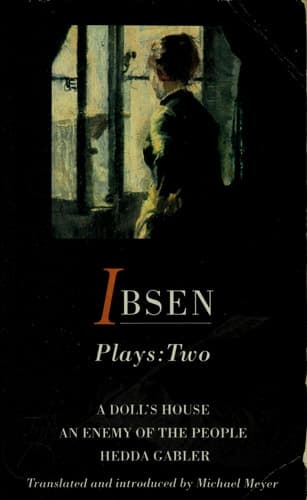
Ibsen Plays: 2 A Doll's House; An Enemy of the People; Hedda Gabler
by Henrik Ibsen
This Norwegian play is Miller's spiritual cousin—it's about a man who discovers a dangerous truth that threatens his town's prosperity, and watches as the community turns against him with frightening speed. Ibsen shows how easily 'the people' become a mob when their interests are threatened, and how institutions protect themselves over truth.
View book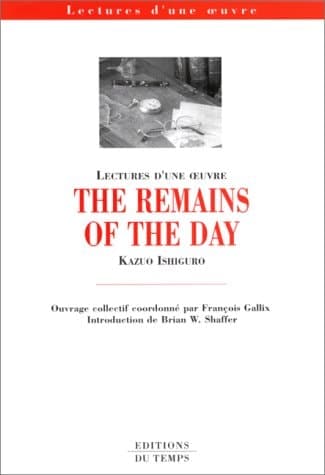
The remains of the day de Kazuo Ishiguro
by Gallix/François
A departure from Miller's explicit condemnation, but Ishiguro explores complicity in a way that's even more unsettling—his narrator is a butler who enabled fascism through quiet obedience and self-deception. Where Salem's hysteria is loud and obvious, Ishiguro shows how ordinary people rationalize their participation in systemic wrongdoing, making it a darker mirror of Miller's themes.
View book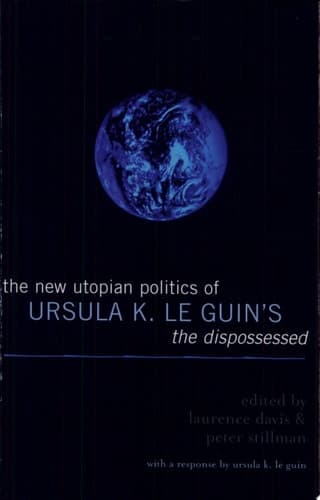
The New Utopian Politics of Ursula K. Le Guin's The Dispossessed
by Laurence Davis
Here's your surprise pick: Le Guin uses science fiction to examine how societies justify violence against outsiders and dissidents. A physicist moves between two worlds with opposing ideologies, and you watch how each society convinces itself that crushing dissent is necessary for survival—it's The Crucible's paranoia transplanted into a world where you can actually see both sides of the hysteria.
View book
The Kindly Ones
by Jonathan Littell
Published in 2006, this massive novel follows a Nazi officer through WWII and forces you to confront how ordinary bureaucrats and true believers rationalize atrocity. Like Miller examining Salem's mechanics, Littell dissects how institutional structures and ideological certainty can make the unthinkable seem inevitable—it's The Crucible's logic applied to history's darkest chapter.
View bookAbout Arthur Miller
A
Arthur Miller
1915–2005
Arthur Asher Miller was an American playwright, essayist and screenwriter in the 20th-century American theater. Among his most popular plays are All My Sons (1947), Death of a Salesman (1949), The Crucible (1953), and A View from the Bridge (1955). He wrote several screenplays and was most noted for his work on The Misfits (1961). The drama Death of a Salesman is considered one of the best American plays of the 20th century.
View author page