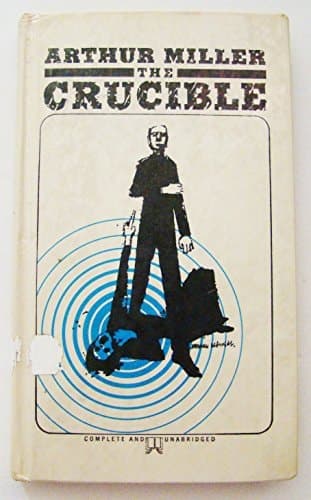
Synopsis
A film screenplay of Miller's classic play recounts the hysteria that gripped Salem, Massachusetts, during the seventeenth-century witch trials, accompanied by an introduction by Arthur Miller and an essay by the director of the up-coming feature film. Original. Movie tie-in.
Recommendations
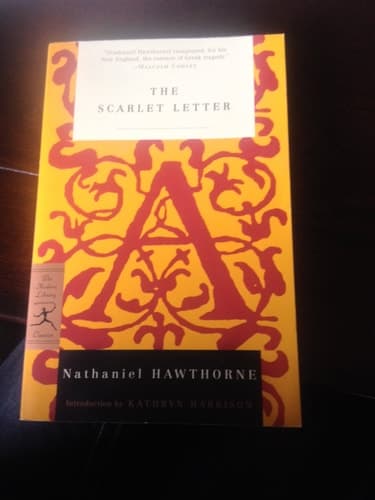
Nathaniel Hawthorne, The Scarlet Letter
by Elmer Kennedy-Andrews
Hawthorne was writing in 1850 about the same Puritan Massachusetts that Miller dramatized, and he captures that suffocating moral certainty with the same precision—except here you're watching it destroy individuals rather than a whole community. The way he shows how hysteria becomes institutionalized through shame and public judgment will feel like watching The Crucible's machinery from the inside.
View book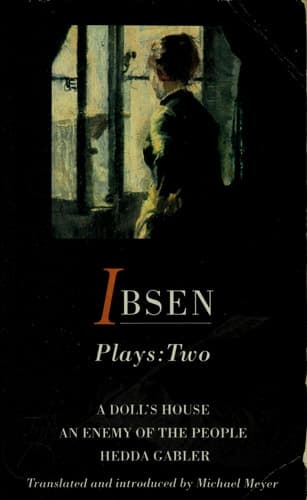
Ibsen Plays: 2 A Doll's House; An Enemy of the People; Hedda Gabler
by Henrik Ibsen
This 1882 Norwegian play is Miller's spiritual cousin—a man tries to expose a dangerous truth and watches his entire community turn against him with shocking speed. Ibsen shows how easily collective self-interest drowns out individual conscience, which is exactly the machinery Miller was examining, just applied to public health instead of witchcraft.
View book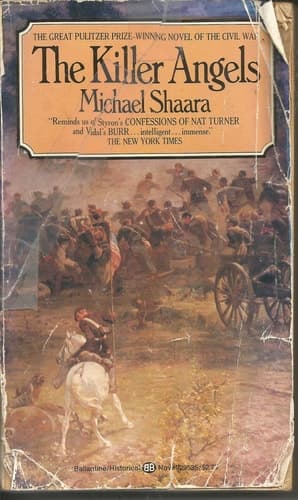
The Killer Angels
by Michael Shaara
This might seem like a departure—it's a Civil War novel, not about witch trials—but Shaara does something Miller does brilliantly: he shows how ordinary, thoughtful people become trapped in systems larger than themselves, making impossible choices under impossible pressure. The internal monologues reveal characters wrestling with conscience while history crushes them.
View book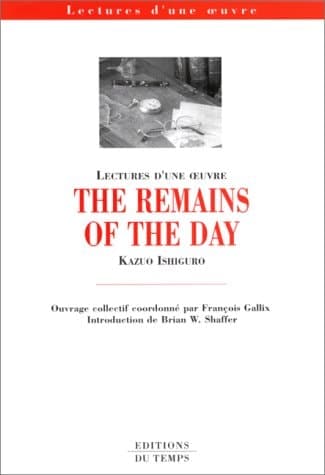
The remains of the day de Kazuo Ishiguro
by Gallix/François
Here's your surprise pick: a quiet novel about an English butler that operates on the same principle as The Crucible—showing how people rationalize complicity and how institutions corrupt judgment. Where Miller shows hysteria as explosive, Ishiguro shows it as erosion, the slow way a man convinces himself that loyalty to a system matters more than truth.
View book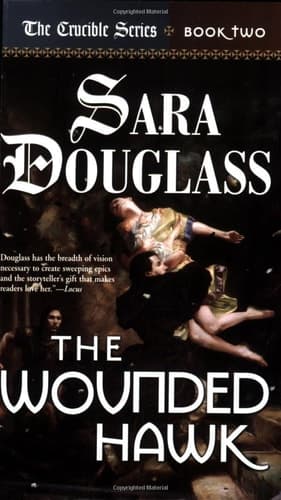
The Wounded Hawk Book Two of 'The Crucible'
by Sara Douglass
Oates' short story collection examines how ordinary people become capable of extraordinary cruelty when fear and group psychology take over. Her prose style is more contemporary and visceral than Miller's, but she's asking the same question: what makes a community turn monstrous, and what does it cost the individuals caught inside that machinery?
View bookAbout Arthur Miller
A
Arthur Miller
1915–2005
Arthur Asher Miller was an American playwright, essayist and screenwriter in the 20th-century American theater. Among his most popular plays are All My Sons (1947), Death of a Salesman (1949), The Crucible (1953), and A View from the Bridge (1955). He wrote several screenplays and was most noted for his work on The Misfits (1961). The drama Death of a Salesman is considered one of the best American plays of the 20th century.
View author page