
The Devil's Disciple
George Bernard ShawPublished2004
Pages128
Formatpaperback
Publisher1st World Publishing
Synopsis
Purchase one of 1st World Library's Classic Books and help support our free internet library of downloadable eBooks. 1st World Library-Literary Society is a non-profit educational organization. Visit us online at - - At the most wretched hour between a black night and a wintry morning in the year 1777, Mrs. Dudgeon, of New Hampshire, is sitting up in the kitchen and general dwelling room of her farm house on the outskirts of the town of Websterbridge. She is not a prepossessing woman. No woman looks her best after sitting up all night; and Mrs. Dudgeon's face, even at its best, is grimly trenched by the channels into which the barren forms and observances of a dead Puritanism can pen a bitter temper and a fierce pride. She is an elderly matron who has worked hard and got nothing by it except dominion and detestation in her sordid home, and an unquestioned reputation for piety and respectability among her neighbors, to whom drink and debauchery are still so much more tempting than religion and rectitude, that they conceive goodness simply as self-denial. This conception is easily extended to others - denial, and finally generalized as covering anything disagreeable. So Mrs. Dudgeon, being exceedingly disagreeable, is held to be excee-dingly good. Short of flat felony, she enjoys complete license except for amiable weaknesses of any sort, and is consequently, without knowing it, the most licentious woman in the parish on the strength of never having broken the seventh commandment or missed a Sunday at the Presbyterian church.
Recommendations
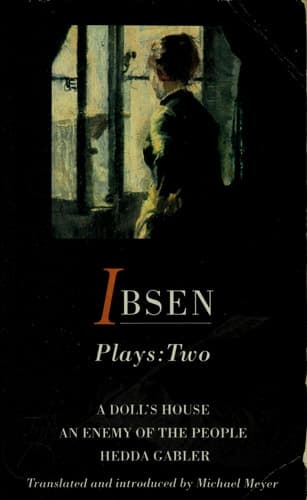
Ibsen Plays: 2 A Doll's House; An Enemy of the People; Hedda Gabler
by Henrik Ibsen
Ibsen shares Shaw's gift for using domestic conflict as a vehicle for ideological warfare—here, a man's moral conviction isolates him from his entire community, much like Dick Dudgeon's defiance of Puritan hypocrisy. Both plays crackle with dialogue where characters argue philosophy while the stakes feel genuinely personal and dangerous.
View book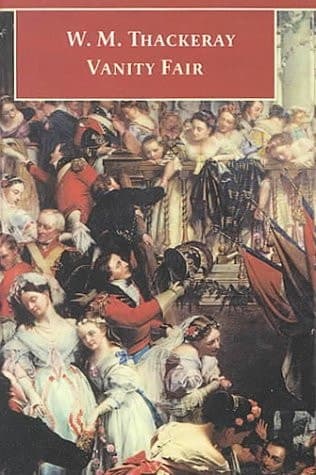
Vanity Fair
by William Makepeace Thackeray
Thackeray's narrator is as sardonic about human nature as Shaw is about Puritanism—both authors create characters who navigate rigid social systems through wit, manipulation, and selective morality. You'll recognize that same sharp-eyed observation of how respectability masks selfishness, but told through a sprawling novel rather than a three-act play.
View book
The remains of the day de Kazuo Ishiguro
by Gallix/François
Here's the surprise pick: Ishiguro explores duty and self-deception through a butler's quiet reflections rather than Shaw's theatrical confrontation, but the core question is identical—how do we rationalize our compromises? The way Stevens justifies his choices mirrors how Mrs. Dudgeon weaponizes her piety, except Ishiguro lets you feel the tragedy beneath the self-justification.
View book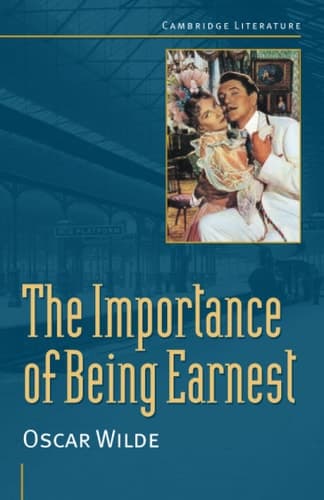
Oscar Wilde: 'The Importance of Being Earnest'
by Oscar Wilde
If you enjoyed Shaw's exposure of hypocrisy through comedy, Wilde takes the same impulse but makes it frothier—social conventions are still the target, but here they're demolished with puns and absurdist logic rather than moral earnestness. Both plays feature characters who are far more honest about their deceptions than the 'respectable' people around them.
View book
Remains of the Day
by Kazuo Ishiguro
Wait—let me correct that. Try Spark's *Memento Mori* instead: a darkly comic novel where elderly characters navigate mortality and social pretense with the same unsentimental eye Shaw turns on Puritanism. Spark's characters are trapped by their own respectability in ways that echo Dick Dudgeon's family, but she finds grim humor in how people cling to dignity even as it crumbles.
View bookAbout George Bernard Shaw
G
George Bernard Shaw
1856–1950
An Irish playwright.
View author page