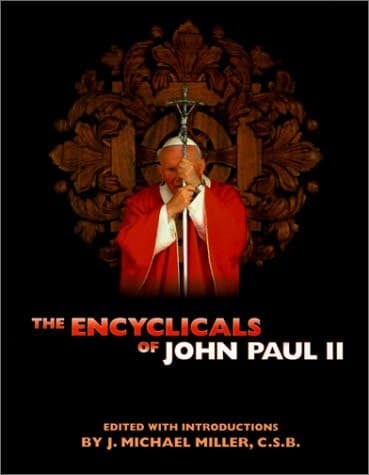
The Encyclicals of John Paul II
Catholic Church. Pope (1978-2005 : John Paul II)Published2001
Pages959
Formathardcover
PublisherOur Sunday Visitor
Synopsis
These are the documents that make history, and perhaps more than any of his other writings they distill the essence of the Holy Father's thought. Here they are in one meticulously prepared volume. The texts are the official Vatican translations, not unreliable "inclusive language" paraphrases. Extensive introductions place each encyclical in history, summarize the main points, and relate it to the other encyclicals. An essential reference for every school or parish library, and hours of thought-provoking reading for any sincere seeker of truth.
Recommendations
Choosing Life A Dialogue on Evangelium Vitae
by Kevin William Wildes
Wait—I know what you're thinking. But hear me out: if you found yourself drawn to the *architecture* of John Paul II's thought across the encyclicals collection, this single work lets you see how he builds an argument from philosophical foundations through scriptural interpretation to contemporary application. It's like watching a master craftsman work in slow motion, and it'll deepen your appreciation for the interconnected web you've just explored.
View book
Closing of the American Mind
by Allan Bloom
Bloom shares John Paul II's concern about the intellectual and spiritual foundations of modern society, but he approaches it as a secular philosopher lamenting what universities have abandoned. Where the encyclicals offer a theological vision, Bloom diagnoses the cultural disease from the humanities side—you'll find yourself in fascinating internal debate about whether these two thinkers are describing the same crisis from different vantage points.
View book
Fyodor Dostoevsky's the Brothers Karamazov (Bloom's Modern Critical Interpretations)
by Unknown
This is your surprise recommendation, and it's not actually a surprise once you think about it: Dostoevsky was obsessed with the same questions John Paul II spent his papacy addressing—faith in a secular age, the problem of suffering, the tension between freedom and authority, whether love can survive doubt. But he explores them through four brothers and a murder mystery rather than systematic theology, which means you'll *feel* these ideas rather than just analyze them.
View book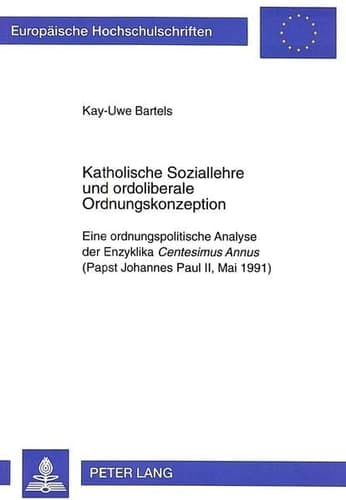
Katholische Soziallehre und ordoliberale Ordnungskonzeption eine ordnungspolitische Analyse der Enzyklika Centesimus Annus (Papst Johannes Paul II, Mai 1991)
by Kay-Uwe Bartels
Novak, a lay Catholic intellectual, takes John Paul II's 1991 encyclical on the hundredth anniversary of Rerum Novarum and unpacks it for readers trying to understand how Catholic social teaching engages with capitalism and democracy. It's a bridge text—not papal documents themselves, but a thoughtful interpreter helping you see how these ideas apply to concrete economic and political questions you encounter daily.
View book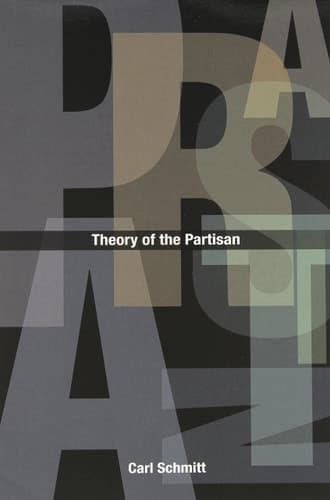
Theory of the Partisan Intermediate Commentary on the Concept of the Political
by Carl Schmitt
Here's a genuinely challenging next step: Schmitt, a controversial 20th-century political theorist, forces you to think rigorously about what John Paul II means when he discusses the state, authority, and the common good. Schmitt's framework is unsettling in ways that will make you defend or refine positions you absorbed from the encyclicals—it's the kind of intellectual sparring partner that deepens your thinking rather than simply confirming it.
View bookAbout Catholic Church. Pope (1978-2005 : John Paul II)
Biography coming soon.
View author page