Synopsis
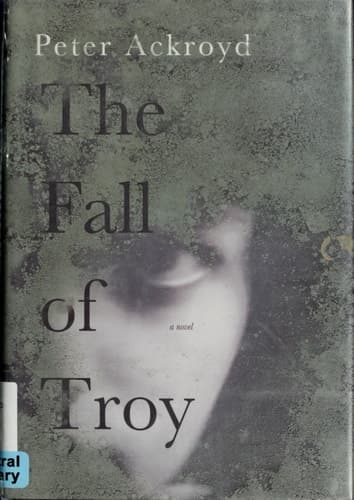
Heinrich Obermann, a celebrated German archaeologist, has uncovered the ancient ruins of Troy on a Turkish hillside. He fervently believes that his discovery will prove that the heroes of the "Iliad," a work he has cherished all his life, actually existed. Sophia, Obermann's young Greek wife, works at the site carefully preserving the ancient treasures she uncovers. But Sophia soon comes to see another side of her husband. He is mysteriously vague about his past and the wife he claims died years before. When she finds a cache of artefacts Obermann has hidden away, her suspicions about him rise, feelings that escalate when a visiting archaeologist who questions Obermann's methods dies from a mysterious fever. The arrival of a second, equally sceptical archaeologist brings Sophia's doubts to a head--and spurs Obermann to make even greater claims about the evidence he has found and the profound importance of his achievements.
In "The Fall of Troy," Peter Ackroyd again demonstrates his ability to evoke time and place, and to transform history into compelling fiction. Like the Homeric epics that entrance Obermann, "The Fall of Troy" is in part accurate, in part fantastic. It is a brilliantly told story of heroes and scoundrels, human aspirations and follies, and the temptation to shape the truth to fit a passionately held belief.
Recommendations
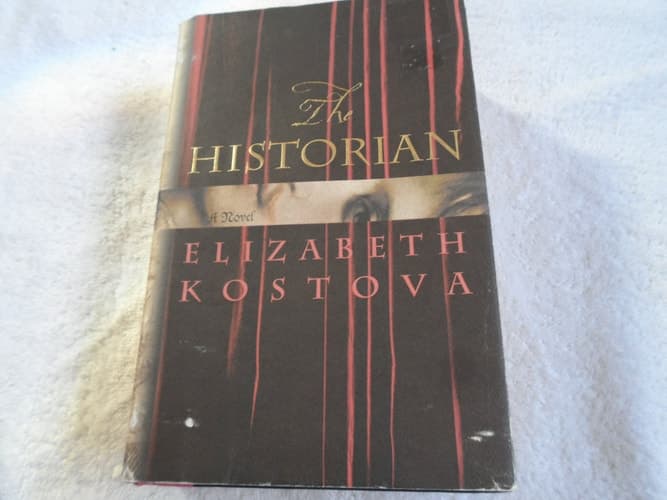
The Historian
by Elizabeth Kostova
Like Ackroyd, Kostova weaves together historical research with gothic mystery—here, a scholar's obsessive hunt through Eastern European archives for evidence of Dracula becomes increasingly personal and unreliable. Both novels use the detective work of uncovering the past as a mirror for the protagonist's self-deception, and both ask whether our need to believe in something can corrupt our search for truth.
View book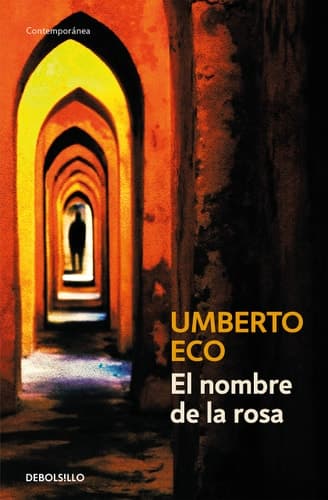
El nombre de la rosa / The Name of the Rose
by Umberto Eco
Eco's medieval monastery mystery shares Ackroyd's fascination with how we construct meaning from fragments—here, a detective unraveling murders while navigating a labyrinth of texts and interpretations. Both authors treat intellectual puzzles as genuinely thrilling, and both explore how scholars can become so invested in their theories that they lose sight of human consequences.
View book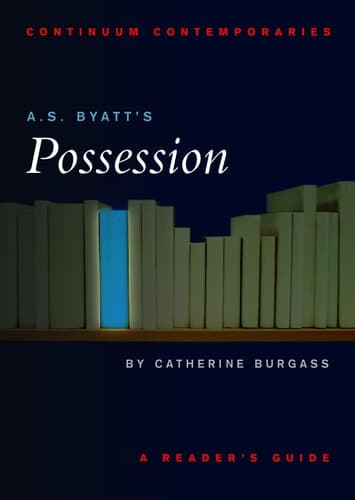
A.S. Byatt's Possession A Reader's Guide
by Catherine Burgass
Byatt's novel mirrors *The Fall of Troy* in its exploration of academics chasing ghosts—both literal and metaphorical—through historical documents and artifacts. Like Obermann, her characters become dangerously invested in their discoveries, and Byatt shares Ackroyd's gift for making the detective work of literary scholarship feel as gripping as any thriller, while questioning what we're really searching for beneath the surface.
View book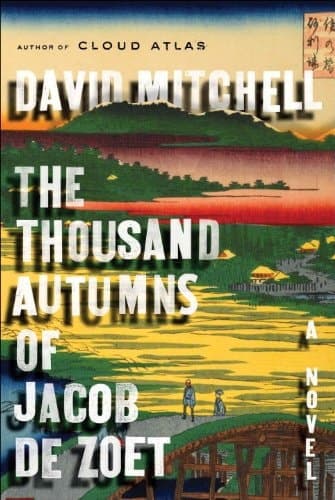
The Thousand Autumns of Jacob De Zoet A Novel
by David Stephen Mitchell
Mitchell constructs a richly detailed historical world (1799 Japan) where a young trader's idealism collides with the messy reality of power and deception—echoing how Obermann's grand vision of Troy crumbles against human complexity. Mitchell's prose has Ackroyd's precision in evoking time and place, but he adds a sprawling cast of characters whose competing truths create a more ambiguous, unsettling picture than any single narrator could provide.
View book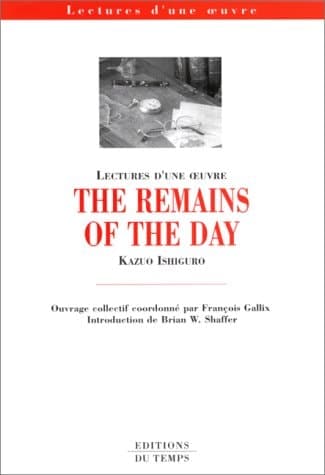
The remains of the day de Kazuo Ishiguro
by Gallix/François
This is a quieter recommendation, but Ishiguro's butler slowly reveals how a lifetime of loyalty and self-deception has shaped his understanding of history and his own role in it—much like how Sophia gradually uncovers Obermann's carefully constructed narrative. Both novels are masterclasses in what remains *unsaid*, and both suggest that the stories we tell ourselves about the past can be more powerful—and more dangerous—than the facts themselves.
View bookAbout Peter Ackroyd
P
Peter Ackroyd
Born 1949
Peter Ackroyd is an English biographer, novelist and critic with a particular interest in the history and culture of London. For his novels about English history and culture and his biographies of, among others, William Blake, Charles Dickens, T. S. Eliot and Sir Thomas More, he won the Somerset Maugham Award and two Whitbread Awards. He is noted for the volume of work he has produced, the range of styles therein, his skill at assuming different voices and the depth of his research. He was elected a fellow of the Royal Society of Literature in 1984 and appointed a Commander of the Order of the British Empire in 2003. - Wikipedia
View author page