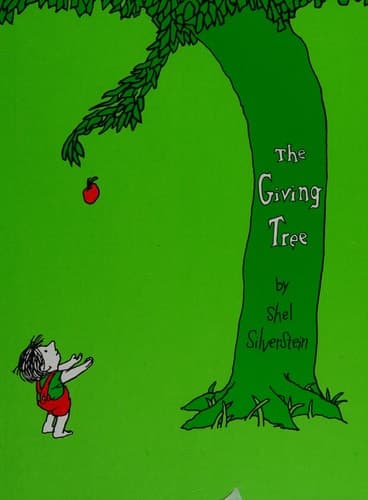
Synopsis
From Shel Silverstein, New York Times bestselling author of Where the Sidewalk Ends and A Light in the Attic, comes a poignant picture book about love and acceptance, cherished for over fifty years. This classic is perfect for both young readers and lifelong fans.
"Once there was a tree...and she loved a little boy."
So begins a story of unforgettable perception, beautifully written and illustrated by the gifted and versatile Shel Silverstein. This moving parable for all ages offers a touching interpretation of the gift of giving and a serene acceptance of another's capacity to love in return.
Every day the boy would come to the tree to eat her apples, swing from her branches, or slide down her trunk...and the tree was happy. But as the boy grew older he began to want more from the tree, and the tree gave and gave and gave. This is a tender story, touched with sadness, aglow with consolation.
The Giving Tree is a meaningful gift for milestone events such as graduations, birthdays, and baby showers.
Shel Silverstein's incomparable career as a bestselling children's book author and illustrator began with Lafcadio, the Lion Who Shot Back. He is also the creator of picture books including A Giraffe and a Half, Who Wants a Cheap Rhinoceros?, The Missing Piece, The Missing Piece Meets the Big O, and the perennial favorite The Giving Tree, and of classic poetry collections such as Where the Sidewalk Ends, A Light in the Attic, Falling Up, Every Thing On It, Don't Bump the Glump!, and Runny Babbit plus Runny Babbit Returns.
Recommendations
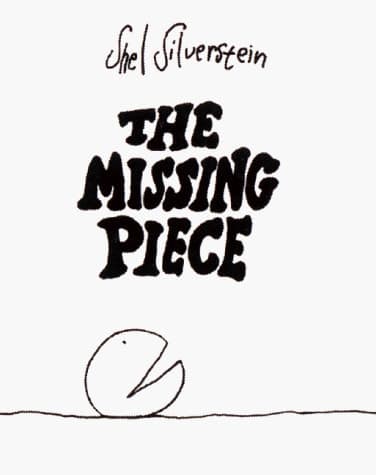
The Missing Piece
by Shel Silverstein
Wait—I know you've likely encountered this one, but if you haven't read it since finishing The Giving Tree, it's worth revisiting as a companion piece. Where The Giving Tree explores unconditional sacrifice, The Missing Piece interrogates whether wholeness requires losing yourself, and Silverstein's deceptively simple line drawings carry the same philosophical weight as his earlier masterpiece.
View book
E.B. White Beyond Charlotte's Web and Stuart Little
by Laura Baskes Litwin
Both books sit at that rare intersection where children's literature becomes genuinely tragic without becoming cynical. White's spider doesn't give endlessly like Silverstein's tree, but she gives what matters most—her legacy—and the acceptance of mortality that follows has the same bittersweet consolation you felt reading about the tree's final gift.
View book
The Tale of Despereaux
by Kate DiCamillo
DiCamillo writes about love as an active, sometimes foolish choice—her mouse protagonist loves despite every reason not to, much like Silverstein's tree. But where The Giving Tree is spare and meditative, this one unfolds as a proper story with humor and texture, showing you how love persists even when it's complicated or unrequited.
View book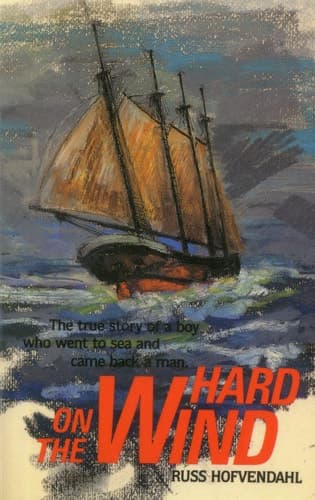
Hard on the Wind The True Story of a Boy Who Went to Sea and Came Back a Man
by Russ Hofvendahl
This is my surprise recommendation—a true story rather than parable, but it shares The Giving Tree's meditation on what we're willing to give and build for those we love. A Malawian boy creates a windmill from scrap to save his village, and Kamkwamba's voice carries that same quiet determination and grace that makes Silverstein's tree so moving, just grounded in real consequence.
View book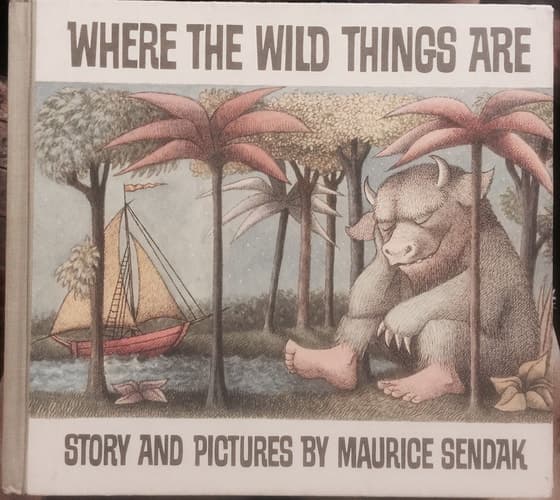
Where the Wild Things Are Holiday Feature Edition
by Maurice Sendak
Published in 1963, just before The Giving Tree, Sendak's picture book explores a different kind of emotional truth—the boy's journey outward and back home mirrors the arc of Silverstein's boy, but Sendak suggests that love includes the freedom to leave and return. The illustrations have that same economical power as Silverstein's, where every line carries emotional weight.
View bookAbout Shel Silverstein

Biography coming soon.
View author page