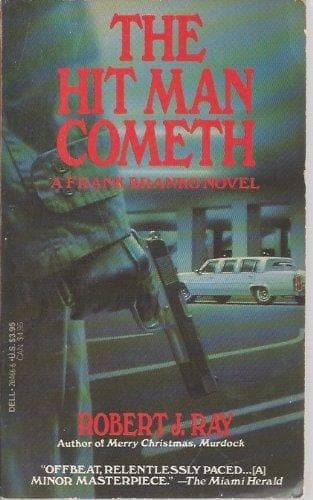
The Hitman Cometh
Robert Joseph RayPublished1989
Pages368
Formatpaperback
PublisherRandom House Publishing Group
Synopsis
A professional hitman has set his sights on a TV evangelist but wounds Detective Branko's partner instead. Branko has a list of suspects that is as bizarre as it is long, including the preacher's fanatical wife, a lesbian killer-for-hire, a Spyglass Hill widow and a millionaire mercenary who takes his Uzi to bed. Martin's.
Recommendations
Raymond Chandler: Later Novels and Other Writings: The Lady in the Lake / The Little Sister / The Long Goodbye / Playback /Double Indemnity / Selected Essays and Letters (Library of America)
by Raymond Chandler
Chandler's Marlowe operates in that same morally ambiguous Los Angeles underworld where Ray's Branko hunts—a detective surrounded by wealthy phonies, criminals with codes, and victims who aren't always innocent. The difference is Chandler's prose has this weary, sardonic rhythm that makes the violence feel consequential rather than sensational, which deepens the noir atmosphere Ray's working in.
View book
Mystic River
by Dennis Lehane
Lehane does what Ray does—assembles a cast of damaged, interconnected characters where everyone has motive and secrets—but he takes his time letting you understand how their pasts collide with the present crime. The investigation becomes less about finding the killer and more about watching three men confront who they've become, which gives the procedural elements real weight.
View book
The Savage Detectives A Novel
by Roberto Bolaño
This is your left-field pick, but hear me out: Bolaño's novel is structured like an investigation into a disappearance, told through fragmented testimonies from a bizarre cast of poets, drifters, and obsessives. It has that same quality as Ray's work—a long list of strange suspects and witnesses whose stories don't quite add up—except Bolaño treats the mystery as almost secondary to the texture of their lives. It's messier and more literary, but the DNA is there.
View book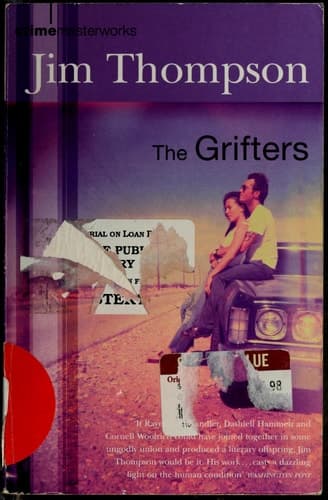
The Grifters
by Jim Thompson
Thompson writes con artists and small-time criminals with the same unflinching eye Ray brings to his evangelist and mercenaries—no one's sympathetic, everyone's scheming, and the prose moves like a switchblade. The family dynamics here (mother, son, girlfriend all running their own angles) create that same claustrophobic tension of people circling each other with hidden agendas.
View book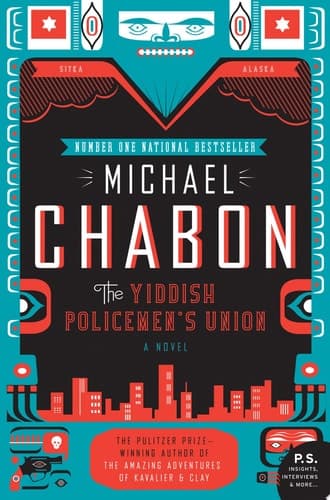
The Yiddish Policemen's Union
by Michael Chabon
Chabon takes the detective procedural and builds it inside an alternate-history Jewish settlement in Alaska, which means you get the same detective-chasing-suspects structure Ray uses, but filtered through this wonderfully strange world with its own rules and mythology. The humor is drier, the worldbuilding more elaborate, but that restless energy of a cop working through an increasingly bizarre cast of witnesses—that's exactly what hooked you in The Hitman Cometh.
View bookAbout Robert Joseph Ray
R
Robert Joseph Ray
Born 1935
Biography coming soon.
View author page