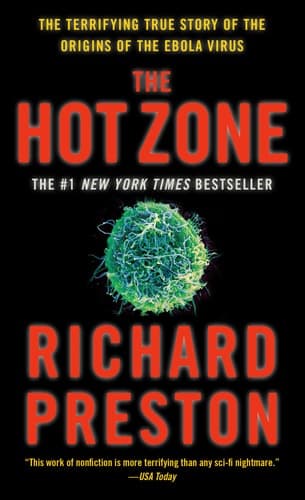
The Hot Zone: A Terrifying True Story
Richard PrestonPublished1995
Pages422
Formatpaperback
PublisherAnchor Books
Synopsis
A highly infectious, deadly virus from the central African rain forest suddenly appears in the suburbs of Washington, D.C. There is no cure. In a few days 90 percent of its victims are dead. A secret military SWAT team of soldiers and scientists is mobilized to stop the outbreak of this exotic "hot" virus. The Hot Zone tells this dramatic story, giving a hair-raising account of the appearance of rare and lethal viruses and their "crashes" into the human race. Shocking, frightening, and impossible to ignore, The Hot Zone proves that truth really is scarier than fiction.
Recommendations

Things Fall Apart: Containing the Spillover from an Iraqi Civil War
by Daniel L. Byman
Quammen takes Preston's nightmare scenario and expands it into a sweeping investigation of how viruses jump from animals to humans—think of it as The Hot Zone's intellectual companion. He writes with the same propulsive narrative energy but gives you the ecological and evolutionary detective work behind these outbreaks, so you understand not just the terror but the why.
View book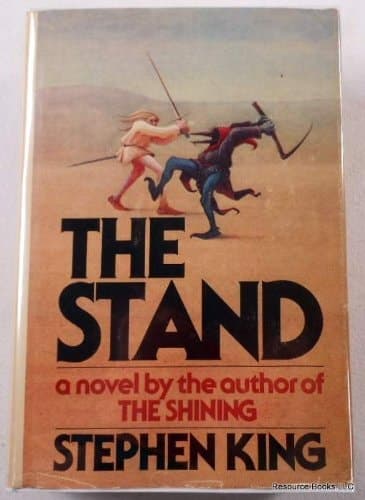
The Stand
by Stephen King
King takes the biological catastrophe premise you just experienced and asks: what happens after? His plague wipes out civilization, and the real story is how survivors rebuild—it's got that same visceral dread about invisible killers, but he's interested in human nature under collapse rather than the epidemiology itself. Fair warning: it's 1,100+ pages, but the pacing is relentless.
View book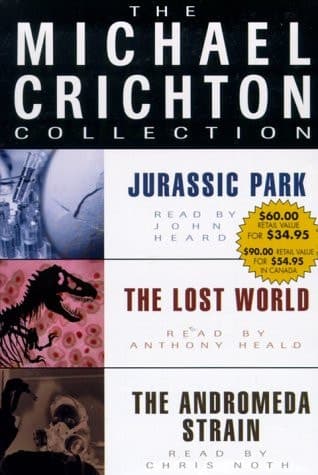
Michael Crichton Value Collection: Andromeda Strain, Jurassic Park, and The Lost World (The Michael Crichton Collection)
by Michael Crichton
Published in 1969, this is the grandfather of the outbreak thriller—Crichton essentially invented the template that Preston would later use for real events. What makes it brilliant is how he structures the technical problem-solving like a heist: a team racing against time with incomplete information, each chapter raising the stakes. You'll recognize Preston's DNA here, but experiencing the original will show you how the form evolved.
View book
Oryx and Crake
by Margaret Atwood
Here's your left-turn recommendation: Atwood builds a speculative future where bioengineering and corporate power create catastrophe—it has the same sense of biological dread as The Hot Zone, but she's asking uncomfortable questions about who controls disease and why. It's literary science fiction rather than true crime, but the visceral descriptions of plague and the slow realization of what's happened will hit the same nerve.
View book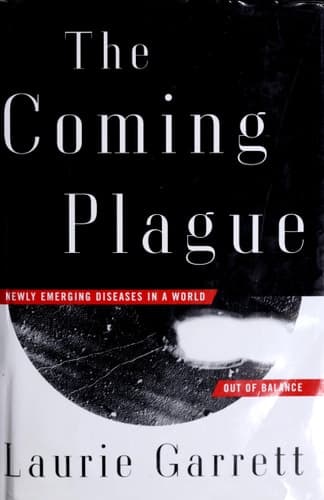
The Coming Plague Newly Emerging Diseases in a World Out of Balance
by Laurie Garrett
Garrett, a disease reporter, writes with Preston's narrative flair but focuses on the systemic failures that let new pathogens emerge—poverty, deforestation, antibiotic overuse. It's less about a single dramatic outbreak and more about the slow-motion catastrophe we're already living through. If The Hot Zone made you afraid of what could happen, this one explains why it's already happening.
View bookAbout Richard Preston
Biography coming soon.
View author page