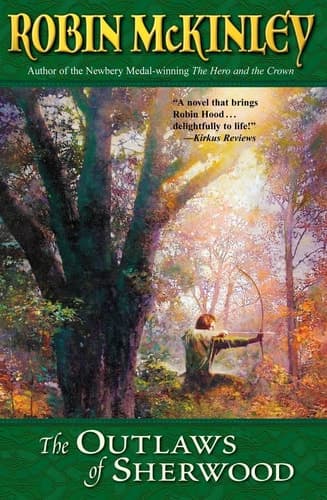
The Outlaws of Sherwood
Robin McKinleyPublished2002
Pages352
Formatpaperback
PublisherNational Geographic Books
Synopsis
Robin Longbow is a sub-apprentice forester in Sherwood Forest, barely eking out a living-and barely able to control his temper when he is confronted by the taunts of the Chief Forester's favorite. One careless shot, and he has killed the man. From then on, Robin is on the run-but he is not alone. Joined first by his friends Much and Marian, then by more and more people who despise the Norman lords who tax them blind, Robin builds a community of Saxon outlaws deep in Sherwood who risk the gallows and the sword for the sake of justice and freedom.
"In the tradition of T. H. White's reincarnation of King Arthur, a novel that brings Robin Hood . . . delightfully to life!" (Kirkus Reviews)
Recommendations
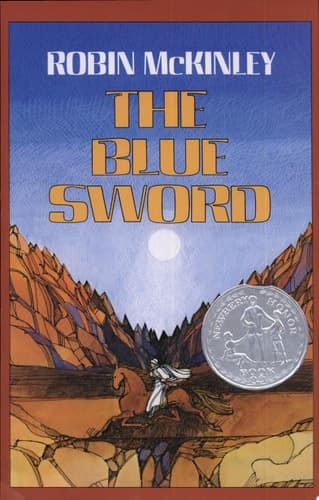
The Blue Sword
by Robin McKinley
Wait—I know McKinley wrote your last book, but hear me out. This one has the same gift for building community among outsiders and exploring what it means to bridge two warring cultures, but through a completely different lens. Where Robin Hood is about class rebellion, this is about cultural identity and belonging, and McKinley's magic system feels earned rather than decorative.
View book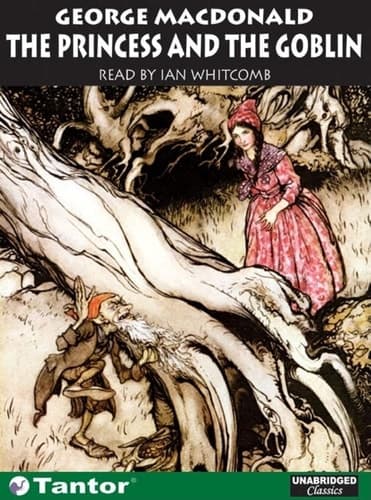
The Princess and the Goblin
by George MacDonald
This shares McKinley's interest in how ordinary people navigate extraordinary power structures, but instead of forest rebellion, you get a gentle, introspective story about an unprepared young man thrust into court politics. The worldbuilding is meticulous without being showy, and Addison captures that same sense of found family that makes Sherwood so compelling—just in a palace instead of the woods.
View book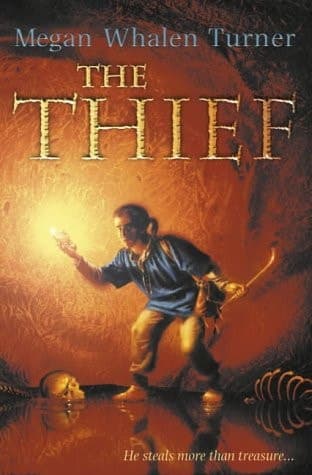
The Thief
by Megan Whalen Turner
Turner does something clever here that echoes McKinley's approach: she builds a world where the rules seem straightforward, then gradually reveals you've been misreading everything. Your protagonist is clever and flawed like Robin, navigating a world where loyalty, honor, and survival are constantly in tension. The pacing is tighter, the scope smaller, but the emotional payoff is just as satisfying.
View book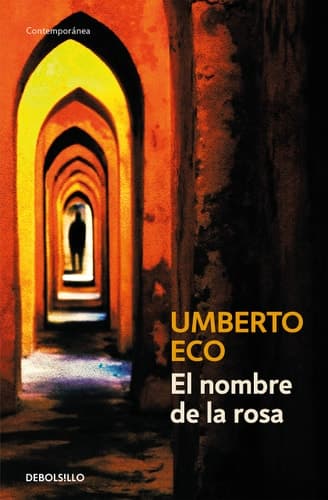
El nombre de la rosa / The Name of the Rose
by Umberto Eco
This is your "surprise" pick—it's a literary mystery set in a medieval monastery, so it shares Sherwood's historical texture and its interest in how power corrupts institutions. But Eco writes like a puzzle-box: every detail matters, and the investigation into a series of murders becomes a meditation on knowledge, faith, and authority. It's denser than McKinley, but if you loved the political layers beneath Robin's story, you'll find them here in abundance.
View book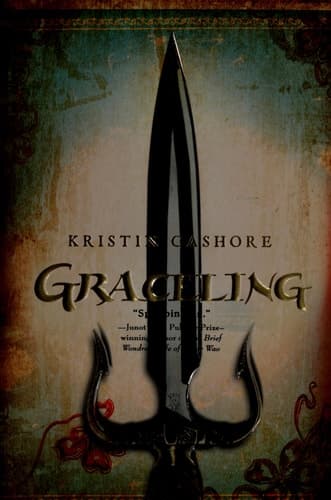
Graceling
by Kristin Cashore
Cashore captures that same energy of a capable protagonist learning to trust her own judgment against authority figures who claim to know better. Like Robin, her heroine Katsa is skilled and dangerous, but the real arc is about choosing her own path rather than accepting the role others have written for her. The romance is secondary to the character work—just like in Sherwood, where Marian is a partner, not a prize.
View bookAbout Robin McKinley
R
Robin McKinley
Born 1952
Biography coming soon.
View author page