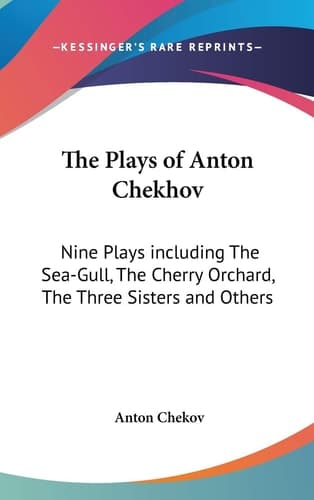
The Plays of Anton Chekhov: Nine Plays including The Sea-Gull, The Cherry Orchard, The Three Sisters and Others
Anton ChekovPublished2004
Pages244
Formathardcover
PublisherKessinger Publishing, LLC
Synopsis
The Plays of Anton Chekhov is a comprehensive collection of nine plays written by the renowned Russian playwright Anton Chekhov. This anthology includes some of his most celebrated works, such as The Sea-Gull, The Cherry Orchard, and The Three Sisters, as well as several lesser-known plays. Chekhov's plays are known for their complex characters and nuanced explorations of human relationships. They often delve into themes of love, loss, and the human condition, and are characterized by their subtle humor and melancholic tone. This collection features expert translations by leading Chekhov scholars, making it an ideal resource for students, scholars, and theater enthusiasts alike. The introduction provides a comprehensive overview of Chekhov's life and work, as well as a critical analysis of each of the plays included in the collection. Overall, The Plays of Anton Chekhov is a must-read for anyone interested in Russian literature, theater, or the human experience.The Russian writer Chekhov was noted for his masterful short stories and lyrical dramas. His stories, though often based on themes profoundly tragic, are penetrated by the light and subtle satire that has won him his reputation as a great humorist. Contents: The Sea-Gull; The Cherry Orchard; Three Sisters; Uncle Vanya; The Anniversary; On the High Road; The Wedding; On the Harmfulness of Tobacco; and The Bear. See other titles by this author available from Kessinger Publishing.This scarce antiquarian book is a facsimile reprint of the old original and may contain some imperfections such as library marks and notations. Because we believe this work is culturally important, we have made it available as part of our commitment for protecting, preserving, and promoting the world's literature in affordable, high quality, modern editions, that are true to their original work.
Recommendations
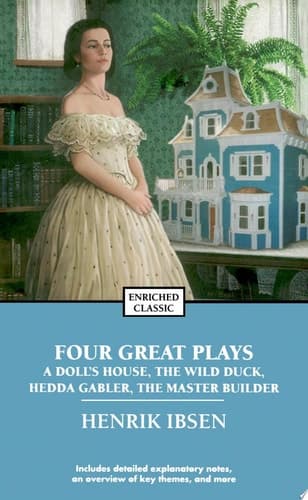
Four Great Plays of Henrik Ibsen A Doll's House, The Wild Duck, Hedda Gabler, The Master Builder
by Henrick Ibsen
Ibsen was Chekhov's contemporary and equally obsessed with the quiet devastation of ordinary lives, but where Chekhov lets his characters drift in melancholy, Ibsen builds toward explosive confrontation. You'll recognize the same attention to domestic detail and unspoken tensions, but with a more theatrical urgency that makes the final act feel like a door slamming.
View book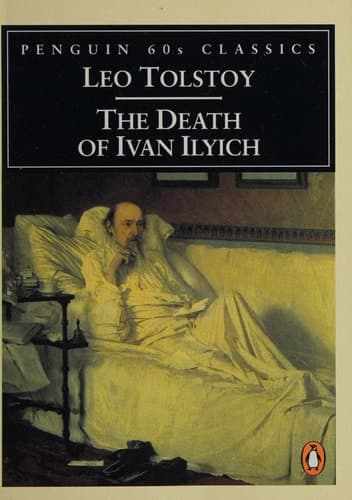
The Death of Ivan Ilyich
by Leo Tolstoy
This novella has the same Russian soul as Chekhov's plays—that particular way of examining how a life can be both utterly ordinary and profoundly meaningful. Tolstoy traces Ivan's confrontation with mortality with the same unflinching compassion Chekhov brings to his characters' small disappointments, and the result is somehow both devastating and oddly comforting.
View book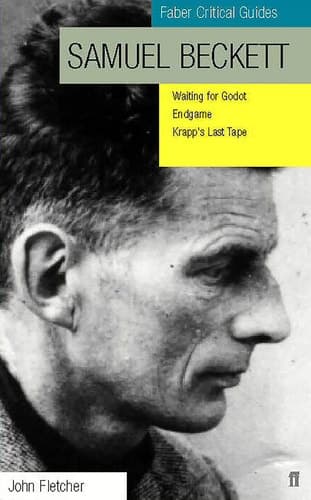
Samuel Beckett Waiting for Godot, Endgame, Krapp's Last Tape
by John Fletcher
Here's where I'm taking a slight risk: Beckett strips away everything Chekhov kept—plot, social context, even clear meaning—but he preserves that essential quality of two people trying to connect across an unbridgeable distance. If you loved how Chekhov made profound sadness funny without ever winking at the audience, Beckett takes that same tonal balance and pushes it into absurdism.
View book
The remains of the day de Kazuo Ishiguro
by Gallix/François
Ishiguro's narrator is a man who, like so many of Chekhov's characters, has spent his life avoiding the one thing that matters most—and the novel's power comes from what's *not* said, the way regret accumulates in the spaces between sentences. The melancholic tone and the slow revelation of a wasted emotional life will feel familiar, but Ishiguro sets it in 1950s England with a precision that makes Chekhov's Russian estates feel suddenly very close.
View book
The Apocalyptic Vision of Mikhail Bulgakov's the Master and Margarita (Studies in Slavic Language & Literature)
by Edward E. Ericson
This is a departure in energy—it's playful where Chekhov is melancholic, fantastical where he's grounded—but Bulgakov shares Chekhov's gift for weaving together multiple stories about people trapped by circumstance, and that same satirical eye for how power and love distort human behavior. It's like Chekhov's world suddenly acquired a devil and a magic cat, but the emotional core remains recognizable.
View bookAbout Anton Chekov
Biography coming soon.
View author page