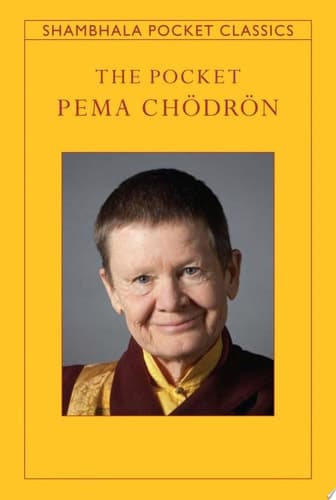
The Pocket Pema Chodron
Pema ChödrönPublished2008
Pages176
Formatpaperback
PublisherShambhala Publications
Synopsis
Here is a treasury of 108 short selections from the best-selling books of Pema Chödrön, the beloved Buddhist nun.
Recommendations
The Year of Magical Thinking A Play by Joan Didion Based on Her Memoir
by Joan Didion
Where Pema teaches you to sit with uncertainty and grief as a spiritual practice, Didion does something rawer—she documents her own paralysis after sudden loss with the precision of someone taking notes on her own unraveling. Both writers understand that wisdom isn't about fixing pain, but about how we inhabit it; Didion just refuses the comfort of any framework, spiritual or otherwise.
View book
The Courage to be
by Paul Tillich
This is Adlerian psychology dressed up as a Socratic dialogue between a young cynic and an old philosopher, and it shares Pema's conviction that our suffering is often self-imposed—but where she'd suggest compassion, Kishimi's philosopher suggests you might be clinging to your wounds because they feel safer than freedom. It's gentler than it sounds, but it'll make you argue with the book in ways Pema's wisdom might not.
View book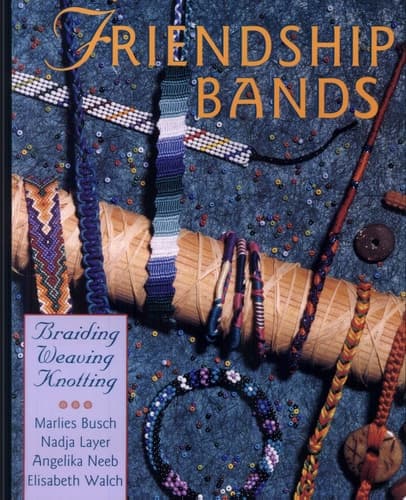
Friendship Bands Braiding, Weaving, Knotting
by Marlies Busch
Kimmerer weaves Indigenous wisdom, botany, and personal reflection the way Pema weaves Buddhist teachings with everyday life—but her subject is reciprocity with the natural world rather than the mind. If you loved how Pema makes ancient practice feel immediately relevant, you'll find the same quality here, except she's teaching you to see gratitude as an ecological principle, not just a spiritual one.
View book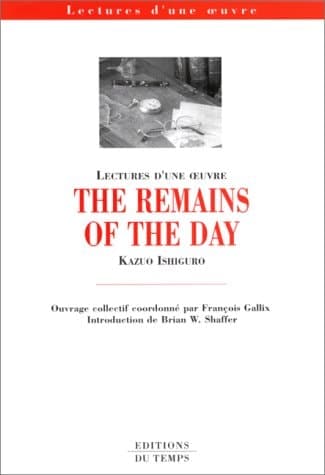
The remains of the day de Kazuo Ishiguro
by Gallix/François
This is your surprise pick. On the surface it's a quiet novel about an English butler's road trip, but it's really about how we construct narratives to avoid looking directly at our own complicity and regret—themes Pema addresses head-on through meditation, but Ishiguro explores through the spaces between what his narrator says and what he actually means. The emotional work is similar; the method is completely different.
View book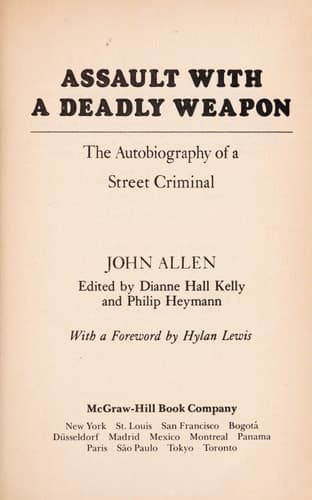
Assault With a Deadly Weapon: The Autobiography of a Street Criminal
by John Allen
Published in 1946, this predates Pema's work by decades, but it shares her gift for making Eastern spirituality feel like an adventure rather than a chore. Where Pema teaches you to befriend your neuroses, Yogananda is describing the ecstatic side of practice—the moments when discipline actually cracks open into something transcendent. Together they'd give you a fuller picture of what Buddhist and yogic traditions are actually after.
View bookAbout Pema Chödrön
Biography coming soon.
View author page