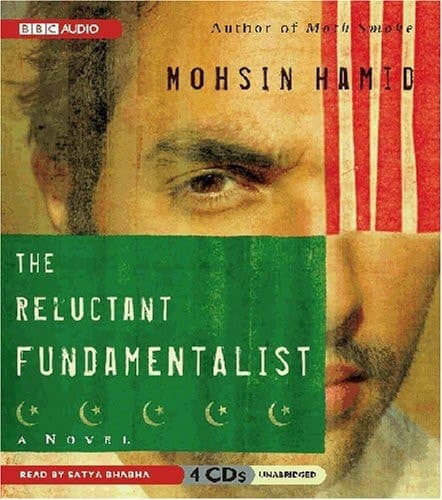
The Reluctant Fundamentalist
Mohsin HamidPublished2007
Pages1
Formataudiobook
PublisherBBC Audiobooks America
Synopsis
At a cafe table in Lahore, a bearded Pakistani man converses with a suspicious and possibly armed American stranger. As dusk deepens to night, he begins the tale that has brought them to this fateful meeting.Changez is living an immigrant's dream of America. At the top of his class at Princeton, he is snapped up by Underwood Samson, an elite firm that specializes in the valuation of companies ripe for acquisition. He thrives on the energy of New York. But in the wake of 9/11, he finds his position in his adopted city suddenly overturned. And Changez's own identity is in seismic shift as well, unearthing allegiances more fundamental than money, power, and perhaps even love.
Recommendations
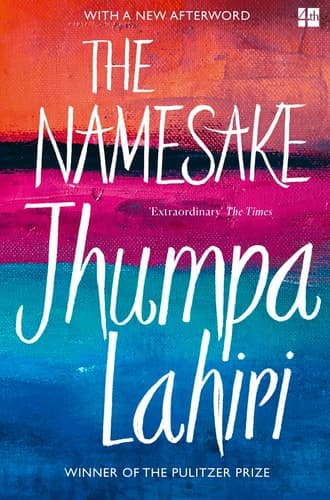
The Namesake
by Jhumpa Lahiri
Like Changez, Gogol Ganguli navigates the collision between inherited identity and American assimilation, but Lahiri traces this tension across decades and generations rather than a single night. Where Hamid's unreliable narrator keeps you guessing about his true intentions, Lahiri lets you live inside the discomfort of belonging nowhere fully—it's the emotional architecture beneath Hamid's psychological thriller.
View book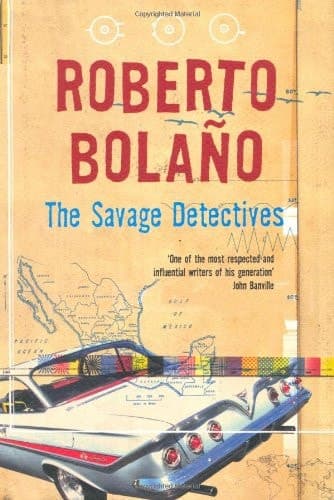
The Savage Detectives A Novel
by Roberto Bolaño
This is a curveball, but hear me out: both novels are structured around a mysterious conversation that slowly reveals something unsettling about the narrator's reliability and motivations. Bolaño's book sprawls across decades and continents through overlapping testimonies, creating that same vertigo you feel in Hamid's cafe—the sense that you're being told a story designed to manipulate you.
View book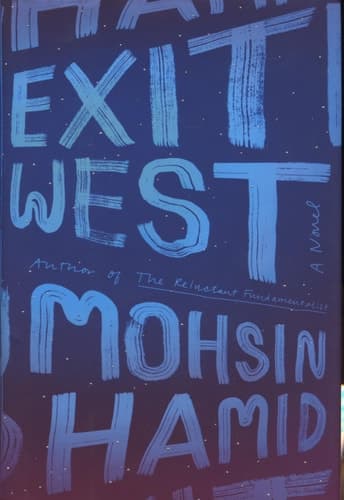
Exit West A Novel
by Mohsin Hamid
I know—same author, but this is genuinely different territory. Where *Reluctant Fundamentalist* traps you in one man's head during a tense night, *Exit West* follows a couple through magical doors that open onto displacement and belonging. It's Hamid exploring similar themes of identity and dislocation but with more tenderness and less ambiguity—a palate cleanser that shows his range.
View book
Bookclub-in-a-box Presents the Discussion Companion for Khaled Hosseini's Novel The Kite Runner
by Marilyn Herbert
Both novels feature Afghan/Pakistani protagonists grappling with guilt, complicity, and the gap between who they appear to be and who they actually are. But where Hamid keeps you in the dark, Hosseini gradually illuminates his narrator's moral reckoning—it's a more hopeful take on the same question of redemption and cultural identity.
View book
Toni Morrison - Beloved
by Carl Plasa
This might seem like a departure, but Morrison does something Hamid does brilliantly: she makes you question what's real and what's psychological manipulation, while exploring how historical trauma reshapes identity and belonging. The way she fragments time and consciousness mirrors Hamid's technique of slowly destabilizing your certainty about what you're being told.
View bookAbout Mohsin Hamid
M
Mohsin Hamid
Born 1971
Biography coming soon.
View author page