The Secret Ingredient A Novel
Rachael F. HellerPublished2002
Pages336
Formathardcover
PublisherSt. Martin's Press
Synopsis
Every woman who's ever been involved with a man has harbored the thought: If only he would change. It's just the way we're wired, just the way we look at love. We're deliriously happy with him in the beginning of the romantic relationship but then, ever so gradually, ever so scarily, we decide he needs to be fixed. But what if we get our wish and we do fix him? And what if it turns out that we were better off with the guy he was before we fixed him?
Meet Elizabeth Baskin, who falls in love, gets married, and discovers six years into her union that the magic is gone - or, rather, fading. Her husband Roger has grown a paunch, lost interest in sex, and seems allergic to conversation. What's a disgruntled wife to do? She could go into denial. She could drag him into therapy. Or she could take her sister's advice and consult a certain Beverly Hills doctor who is spoken about in hushed, reverent tones - a doctor to Hollywood stars whose practice is, well, a bit unconventional. After scoring an appointment with the doc, Elizabeth is convinced that she's found the secret ingredient to saving her marriage. It seems so simple, so innocent. All she has to do is slip the prescribed packet of miracle herbs into Roger's orange juice and then - presto! - she'll have him back the way he was before he started coming home from work and falling asleep in front of the television set! Little does she know that her plan will go dramatically awry and that, instead of rekindling her romance with Roger, she will find herself stuck with a man she hardly recognizes and doesn't even like. Suddenly, Elizabeth is breaking into the doctor's office, running from the law, and teaming up with a transplanted southern belle - all in a desperate attempt to restore Roger to his old, imperfect self. What she learns is that perfection - especially when it comes to husbands - is highly overrated. The question is: does her revelation come too late? Filled with Jane Heller's keen observations about relationships and her trademark sense of humor, The Secret Ingredient is another delicious novel of romance, suspense, and laughter.
Recommendations
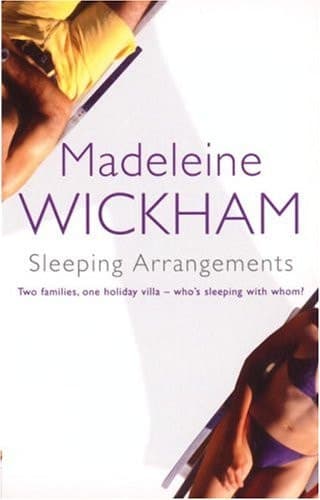
Sleeping Arrangements
by Madeleine Wickham
Parker shares Heller's gift for mining comedy from the mundane disasters of marriage—here, a couple's attempt to solve their intimacy problems by rearranging their bedroom becomes a hilarious excavation of what they've actually been avoiding talking about for years. Like Elizabeth's misguided herb experiment, the 'solution' becomes the problem, but Parker lets you feel the genuine tenderness underneath the chaos.
View book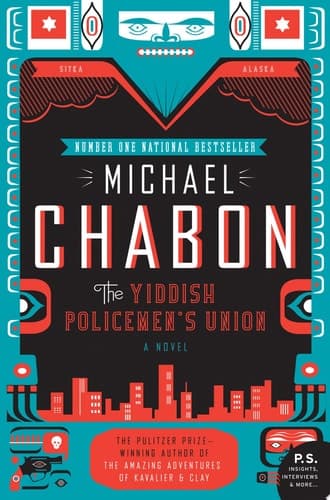
The Yiddish Policemen's Union
by Michael Chabon
This is your surprise pick—it's a noir detective novel, not a romantic comedy—but Chabon writes with the same wry, affectionate eye for human contradiction that Heller does. His protagonist is as flawed and self-deceiving as Elizabeth, and the book's real mystery isn't the crime but why people convince themselves their compromises are actually victories. The humor is darker, but the emotional intelligence is kindred.
View book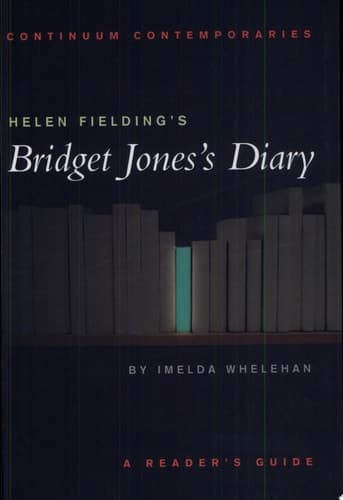
Helen Fielding's Bridget Jones's Diary
by Imelda Whelehan
Fielding captures that same exasperated-but-hopeful energy about romantic entanglement, where the heroine is simultaneously the architect of her own chaos and its most bewildered victim. Both novels understand that the real comedy isn't in finding the perfect man—it's in the mortifying gap between who we think we are and who we actually become when we're trying to fix someone else.
View book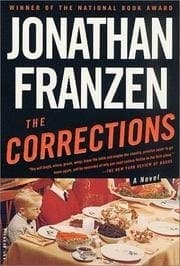
The Corrections
by Jonathan Franzen
Published in 2001, this is your cross-decade recommendation, and while it's weightier than Heller's novel, Franzen shares her fascination with how marriages calcify and how people convince themselves that one grand gesture or intervention will restore what's been lost. He's less funny about it, but equally unflinching about the ways we misread our partners and mistake our own needs for their salvation.
View book
Securing the Commonwealth Debt, Speculation, and Writing in the Making of Early America
by Jennifer J. Baker
Offill writes in fragmented, almost poetic bursts about a marriage that's slowly coming undone—not through dramatic intervention like Elizabeth's herbs, but through the quiet erosion of attention and desire. It's a completely different style from Heller (spare where Heller is generous), but it asks the same question: what do we owe each other when the initial magic fades, and is accepting imperfection actually the most romantic thing we can do?
View bookAbout Rachael F. Heller
R
Rachael F. Heller
Born 1950
Biography coming soon.
View author page