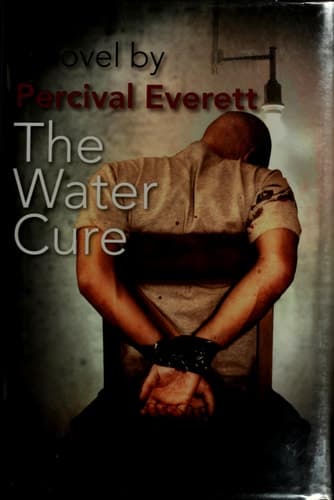
Synopsis
I am guilty not because of my actions, to which I freely admit, but for my accession, admission, confession that I
executed these actions with not only deliberation and
premeditation but with zeal and paroxysm and purpose . . .
The true answer to your question is shorter than the lie.
Did you? I did.
This is a confession of a victim turned villain. When Ishmael Kidder's eleven-year-old daughter is brutally murdered, it stands to reason that he must take revenge by any means necessary. The punishment is carried out without guilt, and with the usual equipment—duct tape, rope, and superglue. But the tools of psychological torture prove to be the most devastating of all.
Percival Everett's most lacerating indictment to date, The Water Cure follows the gruesome reasoning and execution of revenge in a society that has lost a common moral ground, where rules are meaningless. A master storyteller, Everett draws upon disparate elements of Western philosophy, language theory, and military intelligence reports to create a terrifying story of loss, anger, and helplessness in our modern world. This is a timely and important novel that confronts the dark legacy of the Bush years and the state of America today.
Recommendations
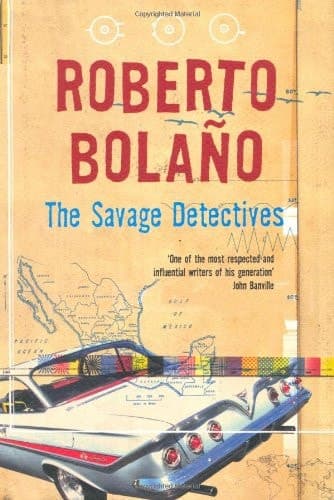
The Savage Detectives A Novel
by Roberto Bolaño
Like Everett, Bolaño constructs a narrative that forces you to piece together fragmented perspectives and unreliable accounts—here, the obsessive pursuit of a disappeared poet becomes as consuming and morally corrosive as Kidder's revenge. Both novels treat language itself as a weapon, examining how stories we tell ourselves can justify almost anything.
View book
Toni Morrison - Beloved
by Carl Plasa
Morrison explores the psychological aftermath of trauma and violence with the same unflinching intensity as Everett, but she approaches it through the lens of historical injustice rather than individual revenge. The way she braids past and present, guilt and survival, creates a moral complexity that refuses easy answers—much like *The Water Cure*'s interrogation of what justice actually means.
View book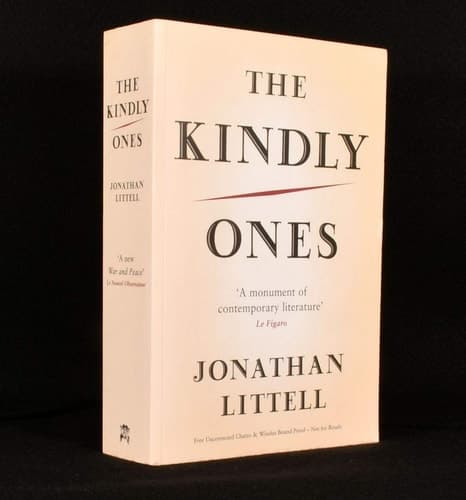
The Kindly Ones
by Jonathan Littell
This is a deliberately provocative choice: a sprawling, philosophical novel narrated by a Nazi officer that forces readers to confront how intelligent, articulate people rationalize atrocity. Like Everett, Littell uses an unreliable confession to examine the gap between how perpetrators justify their actions and the reality of what they've done—it's equally unsettling and demands active moral engagement from the reader.
View book
Ralph Ellison - Invisible Man
by Anke Balduf
Published in 1952, this earlier novel shares *The Water Cure*'s interest in how systems of power render individuals invisible and how that invisibility breeds rage. Ellison's protagonist navigates a society with broken moral codes much like Everett's, and both authors use their narrators' journeys to indict broader social failures rather than simply tell a revenge story.
View book
The Apocalyptic Vision of Mikhail Bulgakov's the Master and Margarita (Studies in Slavic Language & Literature)
by Edward E. Ericson
A surprise recommendation, but hear me out: beneath its fantastical surface about the Devil visiting Soviet Moscow, Bulgakov is doing what Everett does—using dark comedy and philosophical digression to examine how power corrupts and how individuals respond when moral authority collapses. Both novels treat violence and revenge with a kind of detached, almost absurdist precision that makes them more disturbing, not less.
View bookAbout Percival Everett
P
Percival Everett
Born 1956
American writer and Distinguished Professor of English at the University of Southern California.
View author page