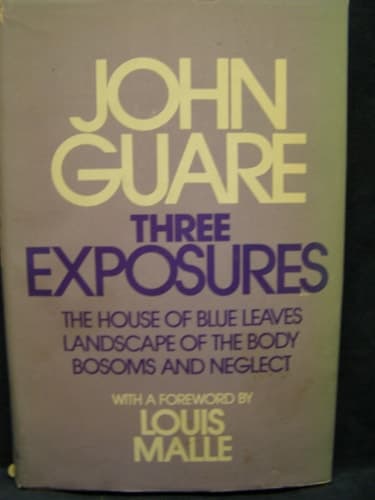
Synopsis
Brings together three ascerbic comedies by the prize-winning playwright--The House of Blue Leaves, Landscape of the Body, and Bosoms and Neglect--that view family relationships and crumbling American values
Recommendations
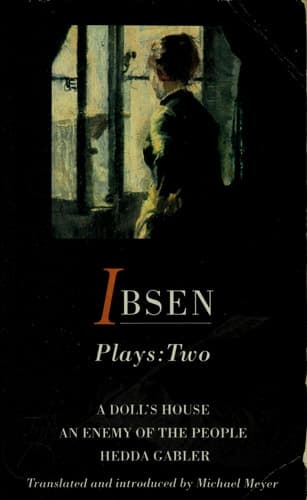
Ibsen Plays: 2 A Doll's House; An Enemy of the People; Hedda Gabler
by Henrik Ibsen
Hnath takes Ibsen's classic and does what Guare does best—interrogates family mythology by dragging it into the present day with sharp, uncomfortable comedy. Like The House of Blue Leaves, it uses domestic spaces as pressure cookers where characters' carefully constructed identities collapse under scrutiny, and the dialogue crackles with the kind of verbal sparring that feels both naturalistic and precisely orchestrated.
View book
Reading Marilynne Robinson's Housekeeping (Boise State University Western Writers Series)
by James H. Maguire
Here's your left-turn recommendation: Robinson's prose is lyrical where Guare is acerbic, but both writers are obsessed with how families fracture and what we inherit from those fractures. The novel has that same quality of watching people navigate impossible emotional terrain with a kind of dark grace—it's quieter than Guare, but the undercurrent of American dissolution runs just as deep.
View book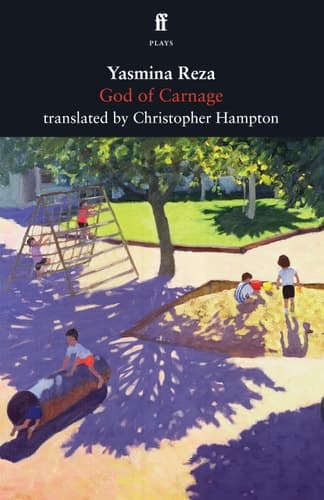
The Gods of Carnage (Faber Drama)
by Yasmina Reza
Reza has that same gift for trapping people in a room and letting their social masks slip through dialogue—the play unfolds almost like a thriller where the weapon is conversation itself. She shares Guare's skepticism about civility and his ability to find comedy in the moment when people stop pretending, though her style is more minimalist and European in its sensibility.
View book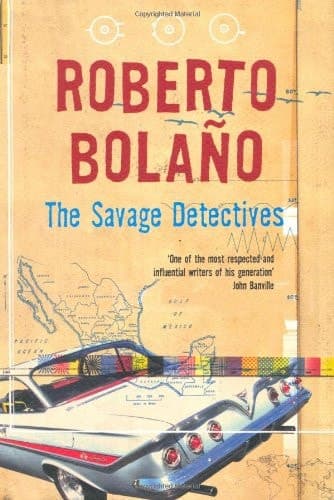
The Savage Detectives A Novel
by Roberto Bolaño
Published in 1998, this novel operates in a completely different register from Guare's comedies, but it shares his fascination with how people construct false narratives about themselves and their relationships. Bolaño's sprawling, digressive structure captures the same sense of American (and Latin American) values in free fall, and his characters are equally delusional about their own importance—the comedy is darker, but it's there.
View book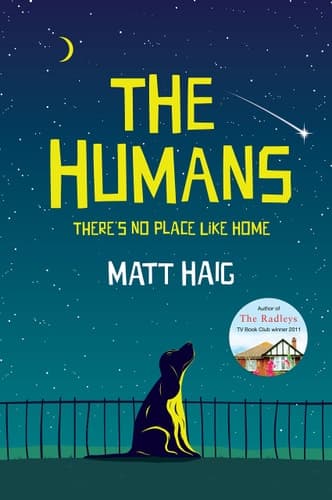
The Humans
by Matt Haig
A genuine curveball: this is speculative fiction about an alien observing human family dynamics, but it's genuinely funny about the absurdity of how we relate to each other—the way Haig's outsider perspective exposes family rituals and emotional dishonesty has the same effect as Guare's scalpel-sharp dialogue. It's lighter in tone but equally interested in how we fail each other while pretending everything's fine.
View bookAbout John Guare
Biography coming soon.
View author page