
Turning the World Upside Down The Story of Sarah and Angelina Grimke
William H. WillimonPublished1972
Pages128
Formathardcover
PublisherSandlapper Press
Synopsis
A biography of two sisters from a wealthy southern family who devoted their lives to the causes of abolition and women's rights.
Recommendations

The Immortal Count The Life and Films of Bela Lugosi
by Arthur Lennig
Like the Grimkés, Henrietta Lacks's story centers on a woman whose life and body were used without her consent, yet her legacy became foundational to modern medicine. Skloot weaves together personal narrative, historical investigation, and ethical reckoning in a way that mirrors how Willimon explores the sisters' individual agency within larger historical forces—you'll find the same tension between individual lives and systemic injustice.
View book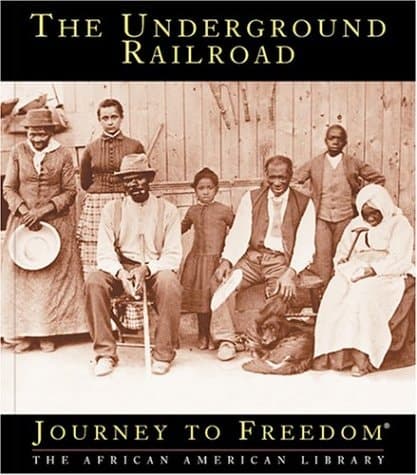
The Underground Railroad
by Carla Williams
This is my surprise pick for you—it's speculative fiction rather than straight history, but it captures the emotional and moral weight of abolition in ways that complement Willimon's biographical approach. Whitehead imagines the Underground Railroad as an actual train, and through that magical-realist lens, he explores the same historical brutality and resistance the Grimkés fought against, but with an immediacy that feels almost visceral.
View book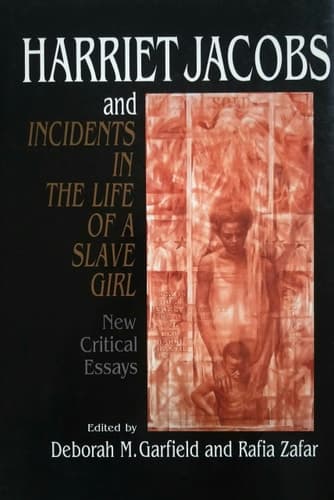
Harriet Jacobs and Incidents in the Life of a Slave Girl New Critical Essays
by Deborah M. Garfield
Published in 1861, this firsthand account gives voice to the very world the Grimkés were fighting against—and Jacobs's own activism and intellectual rigor will feel like a natural companion to learning about the sisters. Where Willimon tells their story from outside, Jacobs speaks directly, and her intersection of gender and racial oppression adds crucial dimensions to the abolitionist narrative.
View book
Deadly Glow: The Radium Dial Worker Tragedy
by Ross Mullner
Moore tells the story of women factory workers who fought corporate negligence and won—it's the Grimkés' legacy playing out in the 20th century. The parallel is striking: ordinary women recognizing injustice, organizing collectively, and refusing to be silenced despite enormous pressure. Moore's narrative style shares Willimon's gift for making individual conviction feel both intimate and historically significant.
View book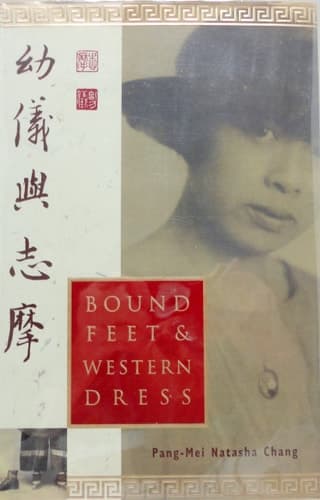
Bound Feet and Western Dress
by Pang-Mei Chang
This biography of Yu-fang Sun, a Chinese woman who became a diplomat and women's rights advocate, offers a fascinating global counterpoint to the Grimkés' story. Chang explores how women in different cultures navigated similar tensions between family obligation and moral conviction, between inherited privilege and chosen activism—it broadens the conversation about women's agency without feeling repetitive.
View bookAbout William H. Willimon
Biography coming soon.
View author page