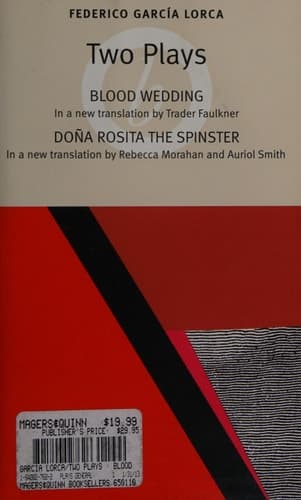
Two Plays Blood Wedding, Doña Rosita the Spinster
Federico García LorcaPublished2009
Pages148
Formatpaperback
PublisherOberon
Synopsis
Two of the most performed and studied plays by the most important Spanish poet and dramatist of the 20th century, in definitive new translationsDoa Rosita tells the story of a young woman who falls in love with a man who is called away to South America. He swears to return and Rosita waits until she learns he has already married someone else. Garca Lorca portrays what he himself called the grotesque treatment of women in Spain. The action is set in Granada, Spain at three different years portraying the bourgeois life of the 1880s and the modernisation and the beginning World War I during the early 1900s. The House of Bernarda Alba written a few months before Lorcas death, the plays explores themes of repression, passion, and conformity, and examines the effects of men upon women.
Recommendations
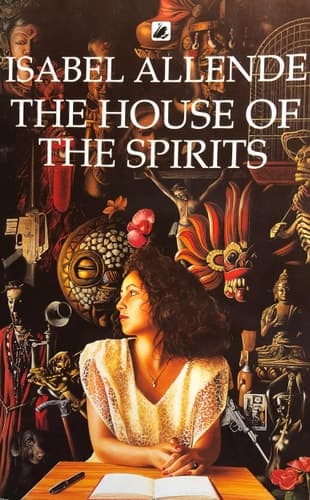
The House of the Spirits
by Isabel Allende
Like Lorca, Allende traces how women's lives are shaped and constrained by family honor and social expectation across generations, but she spans a century of political upheaval in Chile rather than a single household. The multi-generational structure lets you watch how each woman responds differently to the same suffocating pressures—some rebel, some endure, some transcend—giving you the emotional complexity Lorca achieves but across a broader canvas.
View book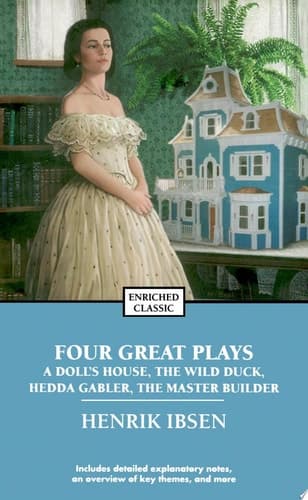
Four Great Plays of Henrik Ibsen A Doll's House, The Wild Duck, Hedda Gabler, The Master Builder
by Henrick Ibsen
Written decades before Lorca but equally radical in its anatomy of how marriage and respectability destroy women's selfhood, Ibsen's play has that same claustrophobic intensity where the real action happens in the silences and small rebellions. Both playwrights use domestic settings to detonate social hypocrisy, though Ibsen's ending is far more confrontational—you'll see how Lorca inherited this tradition and made it distinctly Spanish.
View book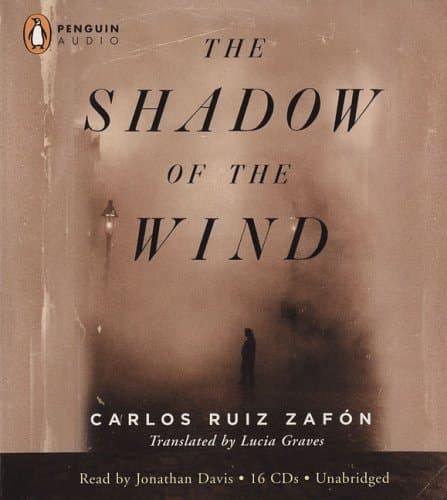
Shadow of the Wind
by Carlos Ruiz Zafon
This is your surprise pick—it's a mystery novel, not a play, but Zafón writes Barcelona's Gothic quarters with the same atmospheric dread Lorca brings to Granada, and the book is genuinely obsessed with how secrets and passion destroy families across time. The prose has an almost theatrical quality, and there's a buried love story at its heart that carries the same sense of doomed inevitability you felt in *Doña Rosita*.
View book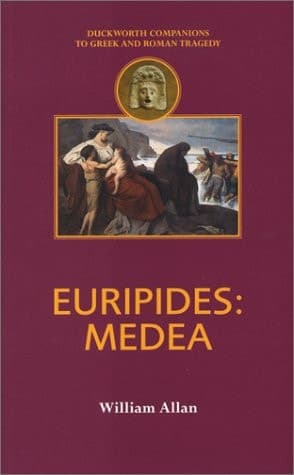
Euripides: Medea
by William Allan
Ancient Greek, yes, but Euripides was doing what Lorca does—taking a mythic story about a woman betrayed and using it to interrogate how society abandons women to their own destruction. The play's raw examination of female rage and powerlessness predates Lorca by two millennia, yet feels startlingly modern; you'll see how Lorca was drawing on this classical tradition while making it urgently contemporary.
View book
Passion Play A Cycle
by Sarah Ruhl
A contemporary British playwright writing in the 1990s, Kane channels Lorca's interest in how desire and social constraint collide, but through a fractured, almost hallucinatory style that feels very modern. Where Lorca uses realism to trap his characters, Kane uses fragmentation and repetition—but both are after the same thing: showing how passion becomes pathological when it has nowhere legitimate to go.
View bookAbout Federico García Lorca
Biography coming soon.
View author page