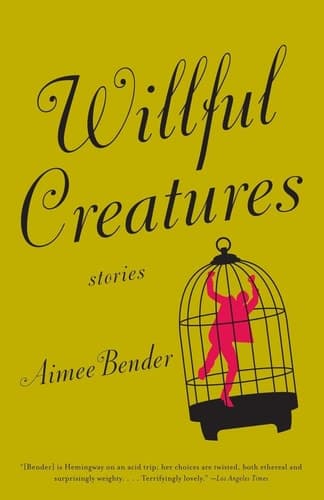
Synopsis
"Contemporary fairy tales, cushioned by goofy humor and a deep tenderness for her characters, that aren't always as dark or as sinister as they initially appear." --The New York Times Book Review
Aimee Bender’s Willful Creatures conjures a fantastical world in which authentic love blooms. This is a place where a boy with keys for fingers is a hero, a woman’s children are potatoes, and a little boy with an iron for a head is born to a family of pumpkin heads. With her singular mix of surrealism, musical prose, and keenly felt emotion, Bender once again proves herself to be a masterful chronicler of the human condition.
Recommendations

The Destruction of Atlantis Compelling Evidence of the Sudden Fall of the Legendary Civilization
by Frank Joseph
Like Bender, Gaither builds her entire world around a single surreal premise—a girl no one can remember—and uses it to explore what makes us human and worthy of love. The magical realism feels grounded in genuine emotion rather than whimsy, and there's that same quality of tenderness toward characters navigating impossible circumstances with humor and grace.
View book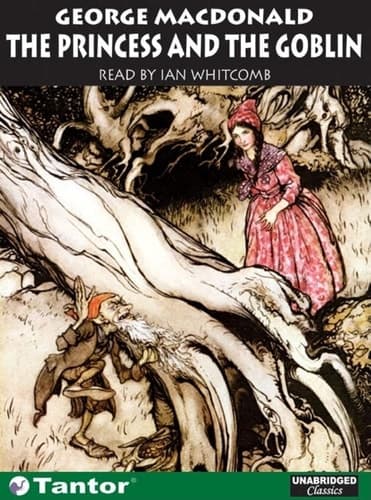
The Princess and the Goblin
by George MacDonald
This one might seem like a departure into traditional fantasy, but it shares Bender's gift for creating a world where the strange becomes intimate and familiar. Addison populates her court with genuinely kind characters who navigate absurd situations with dignity—there's that same blend of whimsy and deep emotional sincerity that makes you care about people with unusual circumstances.
View book
Dream Fever
by Katherine Sutcliffe
Schweblin writes like Bender's prose sounds—musical and unsettling in equal measure—but she's working in a more minimalist, psychological register. The narrative structure itself becomes dreamlike and fragmented, yet it's anchored by a mother's fierce love. If you appreciated how Bender makes the surreal feel emotionally urgent, this Argentine author takes that technique into darker, more haunting territory.
View book
The remains of the day de Kazuo Ishiguro
by Gallix/François
This is my surprise pick: a quiet, realistic novel that operates with the same emotional logic as Bender's stories—the profound hidden beneath the mundane. Ishiguro's narrator is as much a constructed character as Bender's boy with keys for fingers, and both authors excel at revealing the ache beneath surface-level acceptance. It's literary fiction, not magical realism, but the emotional architecture is remarkably similar.
View book![Cover of Giovanni Ba[t]tista Piranesi The Prisons (le Carceri)](/_next/image?url=https%3A%2F%2Fcovers.whatshouldireadnext.com%2Feditions%2F9780486215402%2Flg.jpg&w=3840&q=75)
Giovanni Ba[t]tista Piranesi The Prisons (le Carceri)
by Giambattista Piranesi
Clarke creates a world as strange and specific as Bender's—a man living in an impossible house of halls and tides—but she published her previous novel in 2004, making this her return after 16 years. The prose has that same quality of accepting the fantastical as completely ordinary, and there's an underlying mystery about identity and love that unfolds with genuine tenderness rather than gothic darkness.
View bookAbout Aimee Bender
Biography coming soon.
View author page