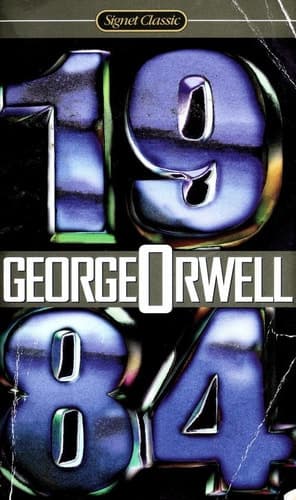
Synopsis
Written more than 70 years ago, 1984 was George Orwell’s chilling prophecy about the future. And while 1984 has come and gone, his dystopian vision of a government that will do anything to control the narrative is timelier than ever...
• Nominated as one of America’s best-loved novels by PBS’s The Great American Read •
“The Party told you to reject the evidence of your eyes and ears. It was their final, most essential command.”
Winston Smith toes the Party line, rewriting history to satisfy the demands of the Ministry of Truth. With each lie he writes, Winston grows to hate the Party that seeks power for its own sake and persecutes those who dare to commit thoughtcrimes. But as he starts to think for himself, Winston can’t escape the fact that Big Brother is always watching...
A startling and haunting novel, 1984 creates an imaginary world that is completely convincing from start to finish. No one can deny the novel’s hold on the imaginations of whole generations, or the power of its admonitions—a power that seems to grow, not lessen, with the passage of time.
Recommendations
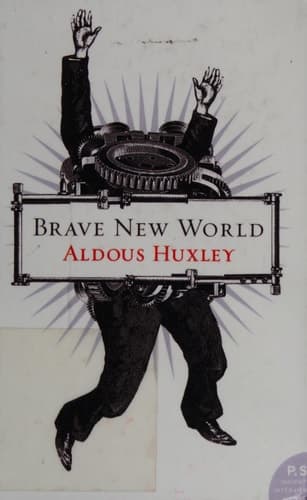
Brave New World
by Aldous Huxley
Brave New World, like 1984, is a classic dystopian novel that explores themes of totalitarian control, the dangers of technology, and the loss of individual identity. Readers who enjoyed the chilling atmosphere and thought-provoking commentary of 1984 will find similar emotional resonance in Huxley's vision of a future society.
View book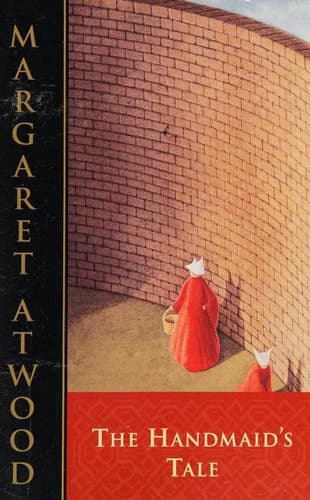
The Handmaid's Tale
by Margaret Atwood
Margaret Atwood's The Handmaid's Tale is another acclaimed dystopian novel that shares 1984's exploration of government oppression and the struggle to maintain one's humanity in the face of totalitarian control. Readers who were captivated by the vivid world-building and complex moral questions in 1984 will find much to appreciate in Atwood's chilling yet compelling narrative.
View book
Fahrenheit 451 A Novel
by Ray Bradbury
Ray Bradbury's Fahrenheit 451 is a dystopian classic that, like 1984, depicts a society where independent thought and the free exchange of ideas are suppressed. Readers who were drawn to the vivid imagery and cautionary themes of Orwell's novel will find much to appreciate in Bradbury's lyrical yet unsettling exploration of censorship and conformity.
View bookAnimal Farm
Animal Farm
by George Orwell
As another acclaimed work by George Orwell, Animal Farm shares 1984's incisive social commentary and Orwell's distinctive narrative voice. Readers who were captivated by the dystopian world-building and the author's ability to craft a compelling allegory will find much to enjoy in this shorter, but no less impactful, novel.
We
We
by Yevgeny Zamyatin
Yevgeny Zamyatin's We is considered an early influential work of dystopian fiction that shares many thematic and stylistic similarities with 1984. Readers who appreciated Orwell's exploration of totalitarian control and the individual's struggle for autonomy will find resonance in Zamyatin's visionary and unsettling depiction of a futuristic society.
About George Orwell
G
George Orwell
1903–1950
George Orwell, originally born as Eric Arthur Blair, was an English novelist and journalist. His work is marked by keen intelligence and wit, a profound awareness of social injustice, an intense, revolutionary opposition to totalitarianism, a passion for clarity in language and a belief in democratic socialism. ([Source][1].) [1]:https://en.wikipedia.org/wiki/George_Orwell
View author page