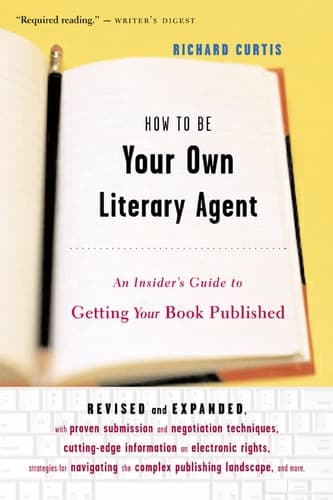
How to be Your Own Literary Agent An Insider's Guide to Getting Your Book Published
Richard CurtisPublished2003
Pages297
Formatpaperback
PublisherHoughton Mifflin
Synopsis
How to Be Your Own Literary Agent takes the mystery out of book publishing for any writer, published or not. Richard Curtis -- a top literary agent for more than thirty years -- provides a comprehensive practical overview of the publishing process, from submissions to contract negotiations to subsidiary rights to marketing, publicity, and beyond. He also gives away trade secrets and invaluable wisdom -- candid advice that can be found nowhere else. Now completely revised and expanded, How to Be Your Own Literary Agent is essential reading for all writers.
* Big publishers, small publishers, self-publishers, e-publishers: how to keep up in a rapidly changing business * The new breed of busy literary editors: how to find them and know what they're looking for * What the electronic revolution means to you, and how to take advantage of it * How to know your "publishing" rights and negotiate effectively * How to have a say in your book's design, jacket, and promotion * How book chains and superstores have altered publishing -- and what that means for you
Recommendations
Me, Inc. How to Master the Business of Being You A Personalized Program for Exceptional Living
by Scott W. Ventrella
Friedman updates Curtis's framework for the 2010s-2020s landscape, diving deeper into the author's role as their own brand strategist. Where Curtis gives you the mechanics of negotiation, Friedman shows you how to think like a publisher about your own career—she's particularly sharp on the difference between traditional and hybrid publishing paths that have exploded since Curtis's 2003 edition.
View book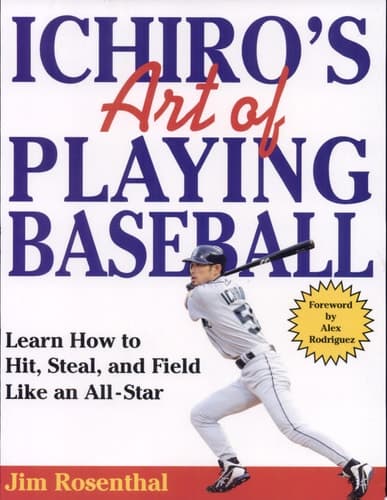
Ichiro's Art of Playing Baseball Learn How to Hit, Steal, and Field Like an All-Star
by Ichirō Suzuki
This is your surprise pick—it's ostensibly about creative practice, but Kleon's philosophy about ownership, influence, and building an audience directly complements Curtis's contract-focused advice. He'll help you think about *why* you're publishing and *who* you're publishing for, which is the emotional and strategic foundation Curtis assumes you already have.
View book
The Only Negotiating Guide You'll Ever Need: 101 Ways to Win Every Time in Any Situation
by Peter B. Stark
Cohen's a negotiation specialist (not a publishing insider), which is precisely why this works as a companion to Curtis. Curtis tells you what publishing contracts contain; Cohen teaches you the psychology and tactics of actually getting better terms. His real-world examples from various industries show you negotiation patterns Curtis assumes but doesn't deeply explore.
View book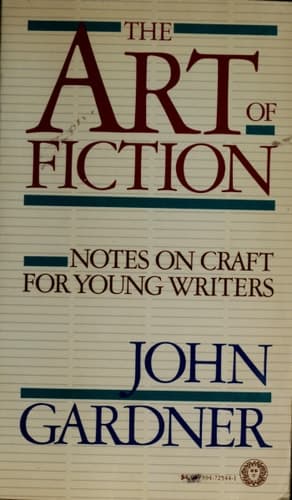
The Art of Fiction Notes on Craft for Young Writers
by John Gardner
Published in 1983, Gardner's classic shifts your focus from the publishing *business* to the writing *craft* that makes your manuscript worth publishing in the first place. Curtis assumes you have a book; Gardner helps you understand what makes that book actually publishable—the quality threshold that no agent negotiation can overcome.
View book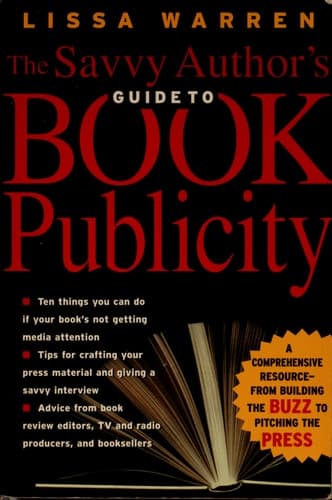
The Savvy Author's Guide To Book Publicity A Comprehensive Resource -- from Building the Buzz to Pitching the Press
by Lissa Warren
Chandler takes Curtis's chapter on marketing and publicity and explodes it into a full strategic playbook for the digital era. She's practical about what actually moves books in a crowded marketplace—social media, email lists, speaking engagements—and she writes as someone who's actually done this, not theorized about it.
View bookAbout Richard Curtis
R
Richard Curtis
Born 1956
Biography coming soon.
View author page