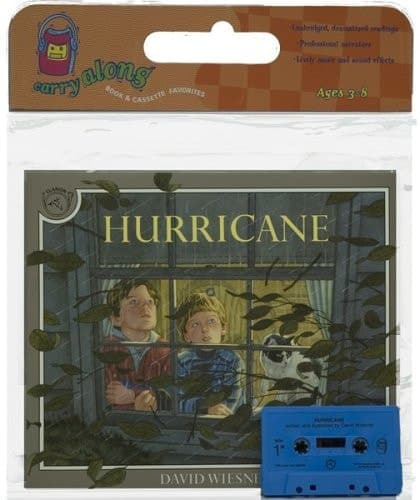
Hurricane (Carry Along Book & Cassette Favorites)
David WiesnerPublished1994
Pages32
Formatpaperback
PublisherClarion Books
Synopsis
When a storm is raging, David and George are glad to be inside the house, snug and safe. In this spectacular picture book by Caldecott Honor recipient David Wisener, a fallen tree becomes the threshold to the limitless voyage of the imagination, which David and George share as only true friends--and brothers--can.
Recommendations
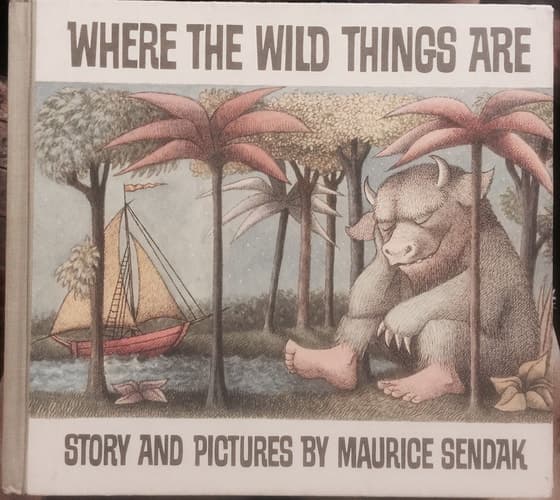
Where the Wild Things Are Holiday Feature Edition
by Maurice Sendak
Like Wiesner, Sendak understands that a child's imagination doesn't need much scaffolding—a bedroom wall becomes a forest, and suddenly the rules of the real world dissolve. Both authors trust their young readers to follow the emotional logic of play rather than plot, and both use illustration as the primary storytelling engine where words simply accompany the visual journey.
View book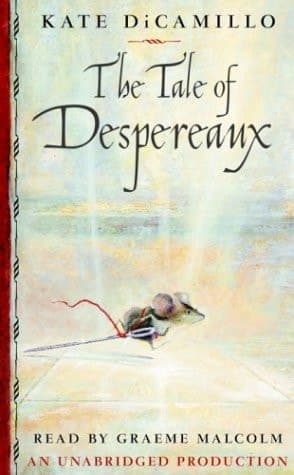
The Tale of Despereaux
by Kate DiCamillo
DiCamillo writes with the same gentle wisdom about friendship and bravery that Wiesner conveys through images—here, a small mouse and a princess discover that the most ordinary objects (a soup spoon, a thread) become instruments of adventure. Published in 2003, it shows how picture-book sensibilities evolved while maintaining that same sense of intimate, shared discovery between characters.
View book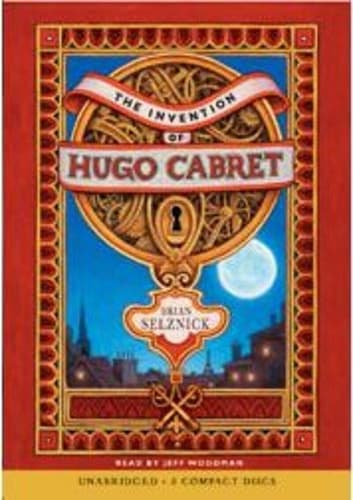
The Invention of Hugo Cabret
by Brian Selznick
Selznick is doing something Wiesner pioneered—letting illustrations carry narrative weight equal to words—but he pushes it further with hundreds of pencil drawings that function almost like a film strip. If you loved how Wiesner's fallen tree becomes a playground for imagination, you'll recognize that same principle here: objects and spaces are portals, and the visual language is doing as much storytelling as the text.
View book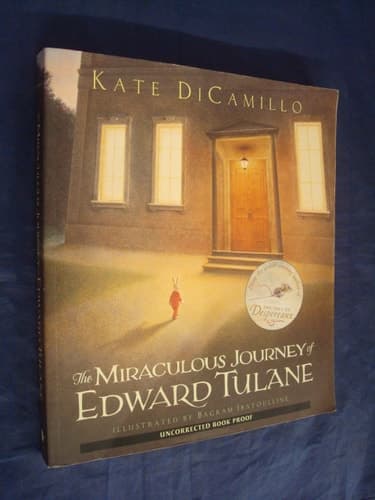
The Miraculous Journey of Edward Tulane
by Kate DiCamillo
This is my slight curveball for you—it reads like a fairy tale for older children and adults, with none of the picture-book format you've been enjoying, yet it captures something essential that Wiesner does: the way ordinary objects (here, a china rabbit) become vessels for profound emotional truth. DiCamillo's prose has that same quiet, observant quality as Wiesner's illustrations, finding magic in stillness rather than spectacle.
View book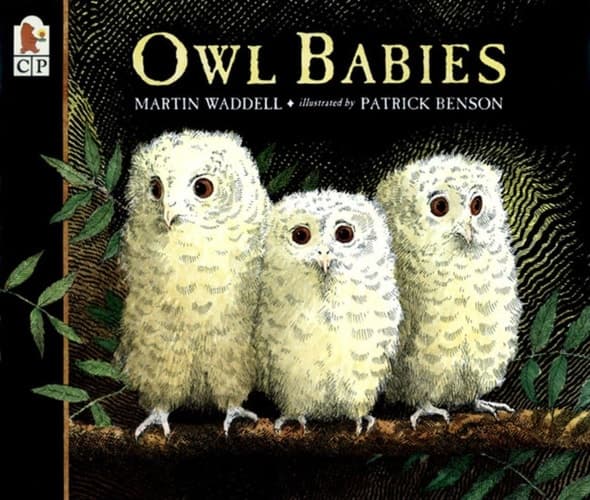
Owl Babies
by Martin Waddell
Waddell and illustrator Patrick Benson create that same sense of cozy intimacy—three young owls waiting for their mother in the dark forest, their fears and reassurances echoing the way David and George navigate their imaginary world together. The illustrations have Wiesner's gift for making small domestic moments feel epic, and the sibling dynamic (or in this case, nestmate dynamic) carries the same emotional weight as the brother relationship in Hurricane.
View bookAbout David Wiesner
D
David Wiesner
Born 1956
David Wiesner (born February 5, 1956) is an American illustrator and writer of children's books, known best for picture books including some that tell stories without words. As an illustrator he has won three Caldecott Medals recognizing the year's "most distinguished American picture book for children" and he was one of five finalists in 2008 for the biennial, international Hans Christian Andersen Award, the highest recognition available for creators of children's books. https://en.wikipedia.org/wiki/David_Wiesner
View author page