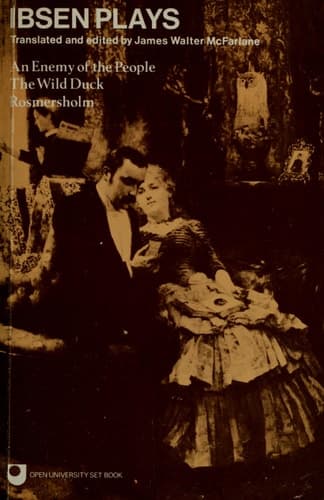
Synopsis
Text: English, Norwegian (translation)
Recommendations
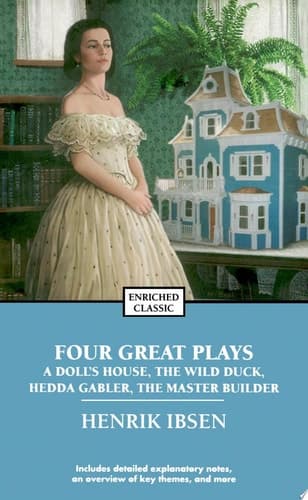
Four Great Plays of Henrik Ibsen A Doll's House, The Wild Duck, Hedda Gabler, The Master Builder
by Henrick Ibsen
Wait—I know you just finished Ibsen, but hear me out. If you read the 1971 collection, you likely encountered this play but perhaps not in isolation. Reading it as a standalone forces you to sit with Nora's final door slam without the context of his other works, and it hits differently—the claustrophobia of that single domestic space becomes almost unbearable when you're not moving between multiple plays.
View book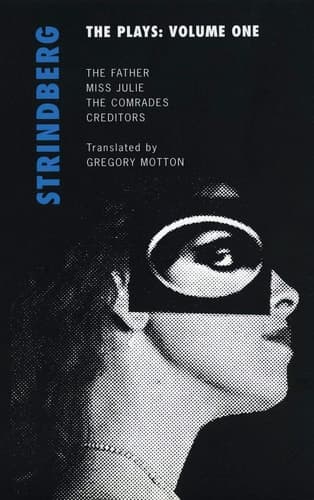
Strindberg: The Plays: Volume One Miss Julie; The Father; Creditors; The Comrades
by August Strindberg
Strindberg was Ibsen's great rival, and this play takes the psychological warfare Ibsen explores in *Hedda Gabler* and cranks it into something almost hallucinatory—a man's grip on reality dissolving through the manipulation of those closest to him. Where Ibsen observes social hypocrisy with a surgeon's precision, Strindberg gets inside the madness itself, and the claustrophobia is suffocating.
View book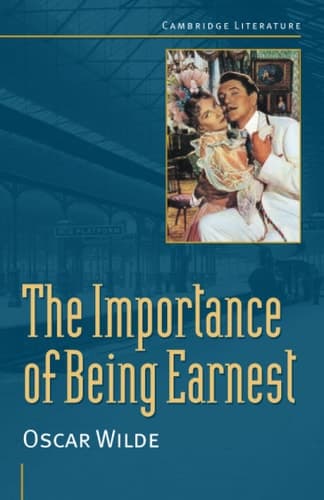
Oscar Wilde: 'The Importance of Being Earnest'
by Oscar Wilde
This might seem like a tonal departure, but Wilde's dissection of Victorian social performance is doing exactly what Ibsen does—exposing the gap between public facade and private truth—except Wilde weaponizes comedy to do it. The dialogue crackles with the same tension between what characters say and what they mean, just wrapped in epigrams instead of silences.
View book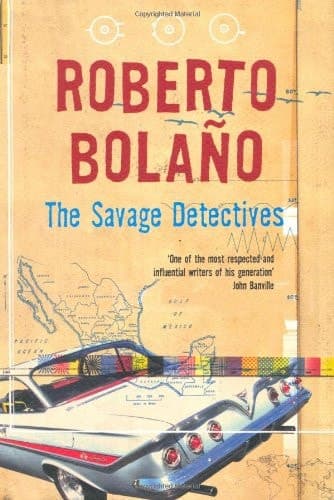
The Savage Detectives A Novel
by Roberto Bolaño
This is your surprise recommendation. Bolaño's novel operates like a play without a stage—multiple voices, fragmented perspectives, characters pursuing obsessions that consume them (much like Ibsen's protagonists), but set in the contemporary literary underground rather than 19th-century drawing rooms. The structure mirrors how Ibsen builds tension through what's *not* said; Bolaño does it through what's scattered across hundreds of pages.
View book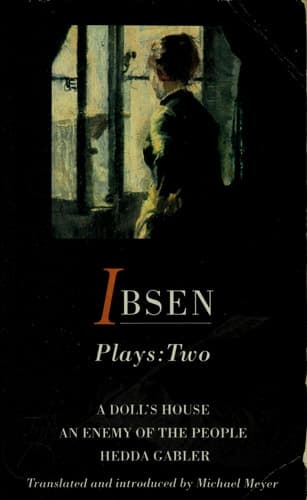
Ibsen Plays: 2 A Doll's House; An Enemy of the People; Hedda Gabler
by Henrik Ibsen
If your 1971 collection included this one, I'd suggest seeking out a more recent translation—modern editions often capture the political fury of this play more sharply than older versions. If it wasn't included, this is essential: it's Ibsen at his most directly engaged with how societies silence inconvenient truths, and it feels urgently contemporary despite being written in 1882.
View bookAbout Henrik Ibsen
H
Henrik Ibsen
1828–1906
Henrik Ibsen was a major 19th-century Norwegian playwright, theatre director, and poet. He is often referred to as "the god father" of modern drama and is one of the founders of Modernism in the theatre.[1] His plays were considered scandalous to many of his era, when Victorian values of family life and propriety largely held sway in Europe. Ibsen's work examined the realities that lay behind many facades, possessing a revelatory nature that was disquieting to many contemporaries. It utilized a critical eye and free inquiry into the conditions of life and issues of morality. Ibsen is often ranked as one of the truly great playwrights in the European tradition, alongside Shakespeare. <cite>— [Wikipedia](https://en.wikipedia.org/wiki/Henrik_Ibsen)</cite>
View author page