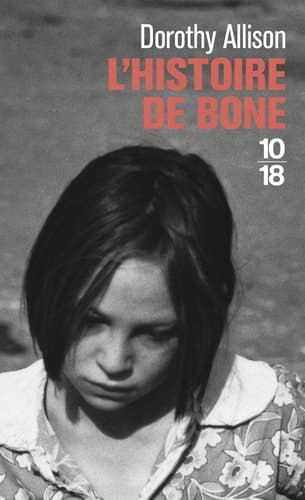
L'histoire de Bone
Dorothy AllisonPublished1998
Pages414
FormatPocket Book
PublisherUnion gérérale d'éditions
Synopsis
En Caroline du Sud, les étés sont étouffants. Les soirées se passent sur la véranda, à boire du thé glacé et à raconter des histoires. Ruth Anne Boatwright, surnommée Bone par sa famille et estampillée " bâtarde " par le comté de Greenville, se souvient. Elle revoit sa grand-mère édentée, impertinente, ses tantes farouches, usées par leurs grossesses, ses oncles violents, ivrognes pris au piège de leur misère. Elle se souvient de l'amour qu'elle portait à sa mère et de la haine grandissante qu'elle éprouvait pour son beau-père. Elle se souvient et elle raconte, avec une brutale sincérité, les aspirations d'une petite fille, la violence insoutenable, l'amour obstiné. Ce premier roman largement autobiographique, écrit pour exorciser cette enfance brûlée, a été finaliste pour le National Book Award en 1992. " Dorothy Allison sonne le retour de la littérature sociale aux États-Unis. Elle est devenue l'écrivain de l'Autre Amérique : celle des Blancs déshérités qui n'ont aucun espoir, aucune croyance, aucun avenir. Avec une force incroyable, Dorothy Allison décrit ce vide et cette violence. " Bernard Géniès, Le Nouvel Observateur.
Recommendations
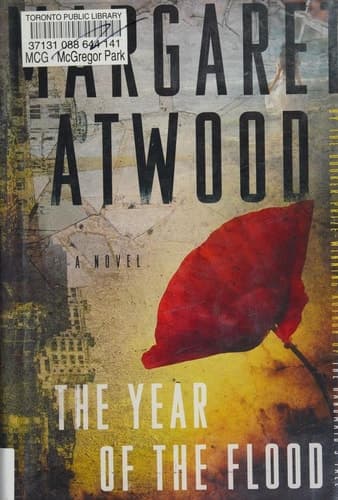
The Year of the Flood A Novel
by Margaret Atwood
Like Allison, Atwood builds her narrative through fragmented memories and the voices of women surviving in brutal circumstances—here, a post-apocalyptic world where survival means remembering who you were before everything collapsed. Both writers refuse to sentimentalize poverty or trauma; instead, they document how ordinary people endure extraordinary damage with stubborn dignity and dark humor.
View book
Toni Morrison - Beloved
by Carl Plasa
Morrison, like Allison, excavates a specific American landscape—the post-slavery South—through the accumulated weight of family trauma and intergenerational haunting. Both novels use lyrical, sometimes fragmented prose to capture how violence embeds itself in the body and memory, and both center the interior lives of women society has deemed disposable.
View book
Securing the Commonwealth Debt, Speculation, and Writing in the Making of Early America
by Jennifer J. Baker
This is a departure in form—fragmented, almost aphoristic—but it shares Allison's unflinching examination of what happens inside a family when love and resentment occupy the same space. Offill writes about the quiet violence of domestic life and female ambition thwarted, with the same refusal to look away that makes *Bastard* so searing.
View book
The remains of the day de Kazuo Ishiguro
by Gallix/François
Here's your surprise: a quiet, English novel about an aging butler that operates on the same principle as *Bastard*—the narrator's unreliable memory and self-deception gradually reveal a life of profound damage and complicity. Like Allison, Ishiguro trusts readers to see what his narrator cannot admit, and the effect is devastating precisely because nothing is shouted.
View book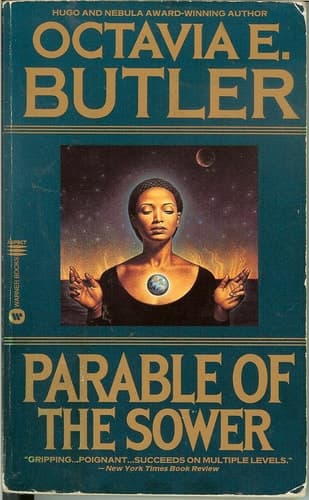
Parable of the Sower
by Octavia E. Butler
Butler's 1993 novel (from the same era as *Bastard*) follows a young Black woman building survival strategies in a collapsing America, documenting poverty, violence, and the fierce intelligence required to endure. Like Allison, Butler centers the perspective of someone society has written off, and she writes with the same unsentimental clarity about what it costs to survive.
View bookAbout Dorothy Allison
D
Dorothy Allison
1949–2024
Biography coming soon.
View author page