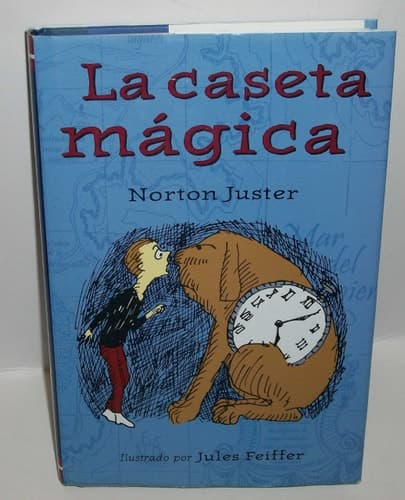
La Caseta Magica (The Phantom)
Norton JusterPublished1998
Pages250
Formathardcover
PublisherChronicle Books
Synopsis
Milo, un niño muy aburrido, recibe un extraño regalo: una caseta mágica. Inicia el trayecto hacia el Reino de la Sabiduría a bordo de su viejo coche eléctrico. Su viaje se convertirá en una emocionante travesía de descubrimiento.
Recommendations
The Phantom Tollbooth
by Norton Juster
I notice you read the Spanish translation—this is actually the original English version that inspired it. Juster's wordplay and the journey through kingdoms of language and logic hit differently in the source material, with puns that don't always survive translation. If you loved Milo's boredom-to-wonder arc, experiencing the unfiltered version will deepen your appreciation for how Juster constructs his philosophical adventure.
View book
The Thief
by Megan Whalen Turner
Turner does something clever that Juster does too—she trusts readers to piece together a world's logic without spelling everything out. Your protagonist will navigate a landscape where nothing is quite what it seems, and like Milo discovering that the Humbug isn't actually humble, you'll find that characters and places reward close attention. The journey itself becomes a puzzle box.
View book
A Wizard of Earthsea
by Ursula K. Le Guin
Le Guin writes coming-of-age journeys where the real destination is self-knowledge, much like Milo's trek to the Kingdom of Wisdom. But where Juster uses wordplay and absurdist logic, Le Guin grounds her world in something more mythic and contemplative. The pacing is slower, more meditative—you'll find yourself thinking about what the story means rather than just enjoying the clever setpieces.
View book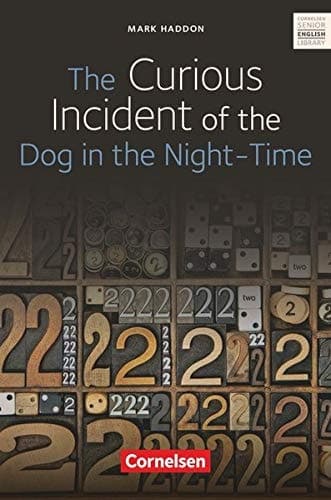
The Curious Incident of the Dog in the Night-time
by Mark Haddon
Here's the curveball: this is contemporary realistic fiction, not fantasy, but it shares Juster's fascination with how a brilliant, unusual mind perceives an ordinary world as genuinely strange and wondrous. Your narrator sees mathematics and logic the way Milo discovers hidden kingdoms—there's that same sense of wonder at patterns others miss. It's grounded in our world, but filtered through a perspective that makes everything feel newly discovered.
View book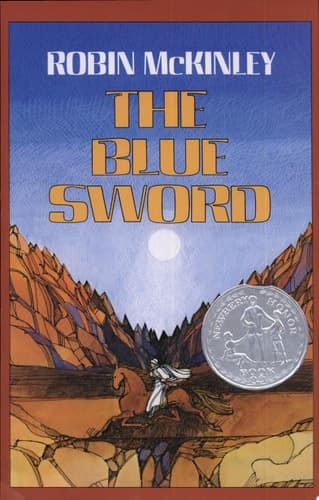
The Blue Sword
by Robin McKinley
McKinley writes adventures where the journey transforms not just the landscape but the protagonist's entire sense of belonging and identity. Like Milo arriving in a kingdom that needs him, your main character discovers abilities and a world she never knew existed. The prose has that same playful-but-earnest tone—adventure that takes itself seriously enough to matter, but lightly enough to breathe.
View bookAbout Norton Juster
N
Norton Juster
Born 1929
Norton Juster is an architect and planner, professor emeritus of design at Hampshire College, and the author of a number of highly acclaimed children's books, including The Dot and the Line, which was made into an Academy Award-winning animated film. He has collaborated with Sheldon Harnick on the libretto for an opera based on The Phantom Tollbooth. The musical adaptation, with a score by Arnold Black, premiered in 1995. An amateur cook and professional eater, Mr. Juster lives with his wife in Amherst, Massachusetts.
View author page