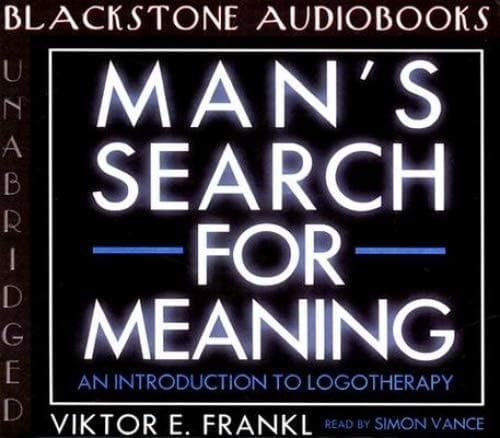
Synopsis
A prominent Viennese psychiatrist recounts his experiences in a Nazi concentration camp that led to the development of his existentialist approach to psychotherapy.
Recommendations
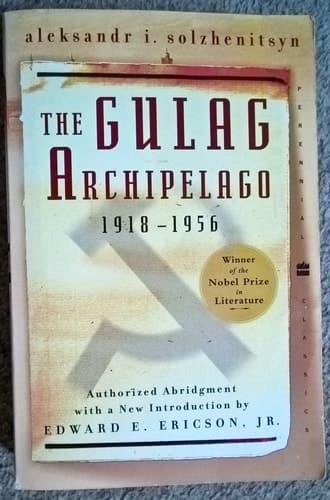
The Gulag Archipelago 1918-1956
by Aleksandr I. Solzhenitsyn
Like Frankl, Solzhenitsyn writes from firsthand experience in a totalitarian system's darkest corners, but where Frankl distills meaning from suffering into psychological insight, Solzhenitsyn documents the machinery of oppression itself with meticulous, almost geological precision. Both authors transform personal testimony into something that feels like essential historical witness—but Solzhenitsyn's approach is more investigative and sprawling, giving you the architecture of the system rather than the interior life it created.
View book
Albert Camus' The Stranger
by Kevin Kelly
Frankl's book is essentially a rebuttal to nihilism—he argues meaning exists even in meaninglessness. Camus's protagonist lives the opposite: he moves through a world that refuses to grant him meaning, and the novel becomes a philosophical puzzle about how to exist authentically when society's narratives feel hollow. Reading them together creates a productive tension, like watching two philosophers argue across a table.
View book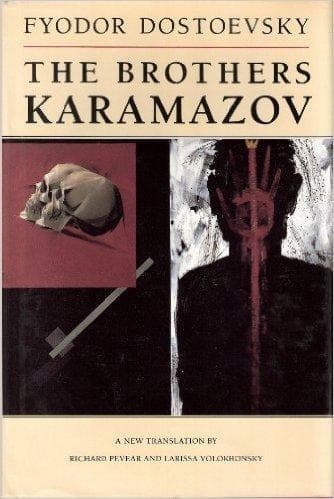
Fyodor Dostoevsky's the Brothers Karamazov (Bloom's Modern Critical Interpretations)
by Unknown
This is the surprise pick, but hear me out: Dostoevsky spends 800 pages wrestling with the same question Frankl answers in 200—how do we justify suffering and find meaning in a world that seems designed to crush the spirit? The Grand Inquisitor section alone is a philosophical debate that Frankl's logotherapy directly engages with. It's a novel that reads like a series of arguments about faith, doubt, and human purpose, and Frankl's work becomes a kind of answer to Dostoevsky's anguished questions.
View book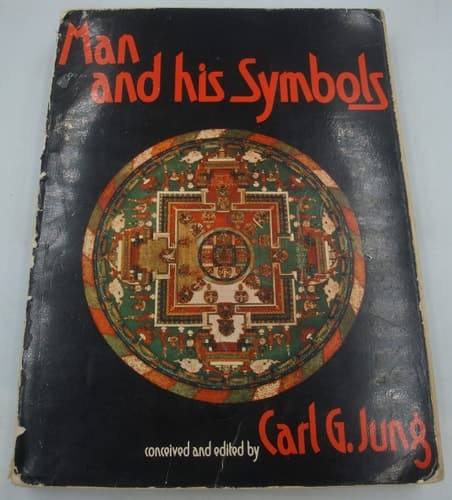
Man and His Symbols
by Carl Gustav Jung
Jung was Frankl's intellectual predecessor—both were Viennese psychologists interested in how the human psyche creates meaning. But where Frankl focuses on meaning-making as a response to suffering, Jung explores how symbols and the unconscious mind generate meaning across cultures and history. This gives you the theoretical foundation Frankl was building on, plus Jung's more mystical, archetypal approach to psychology that Frankl's existentialism deliberately departed from.
View bookAbout Viktor E. Frankl
V
Viktor E. Frankl
1905–1997
Viktor Emil Frankl was an Austrian neurologist and psychiatrist as well as a Holocaust survivor. He was the founder of logotherapy, which is a form of existential analysis, the "Third Viennese School of Psychotherapy".
View author page