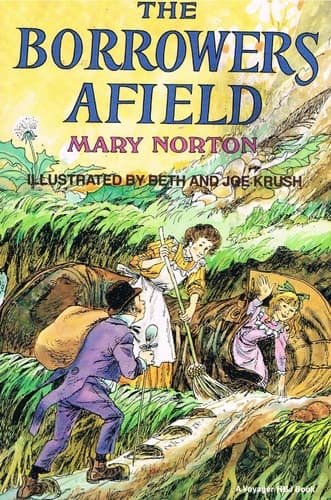
The Borrowers Afield (Borrowers, Book 2)
Mary NortonPublished1970
Pages215
Formatpaperback
PublisherHarcourt
Synopsis
The further adventures of the family of miniature people who, after losing their home under the kitchen floor of an old English house, are forced to move out to the fields.
Recommendations
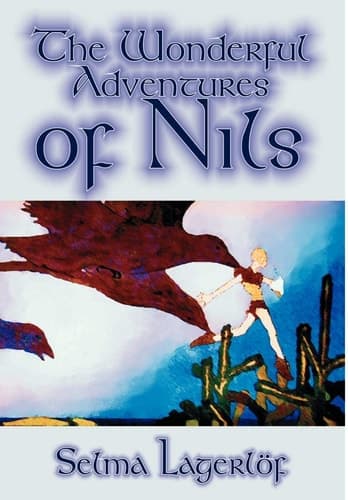
The Wonderful Adventures of Nils
by Selma Lagerlöf
Like the Borrowers, this Swedish classic follows a small human displaced from his home who must navigate a vast landscape filled with danger and wonder—but Lagerlöf adds a redemptive journey where the protagonist learns compassion through his miniature perspective. Both books share that particular magic of seeing the ordinary world transformed into something epic and perilous when you're small enough to be genuinely threatened by a farmyard.
View book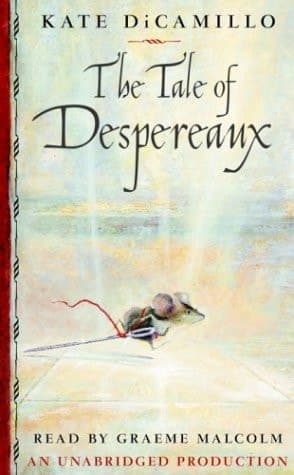
The Tale of Despereaux
by Kate DiCamillo
DiCamillo writes with the same gentle, observant voice Norton uses—noticing how her characters move through spaces and relate to one another—but she adds layers of fairy-tale melancholy that give her adventure real emotional weight. Both books understand that small creatures facing large obstacles aren't cute; they're genuinely brave, and that's what makes them matter.
View book
The Thief
by Megan Whalen Turner
This is the surprise pick: it's a fantasy adventure that shares Norton's interest in how people navigate constrained spaces and limited resources, but Turner's narrator is unreliable in ways that make you re-read the ending with fresh eyes. If you loved the ingenuity the Borrowers show in making do with found objects and tight quarters, you'll appreciate how Turner's protagonist must think three moves ahead in a world where the rules aren't what they seem.
View book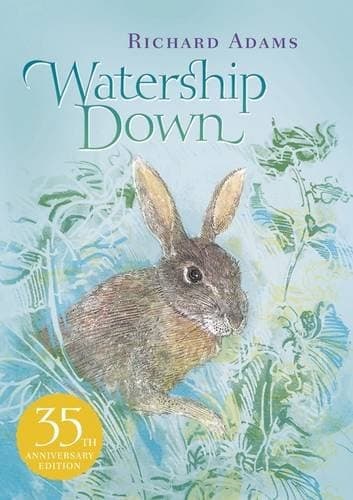
Watership Down
by Richard Adams
Adams gives his rabbit characters the same matter-of-fact competence and social complexity that Norton gives the Borrowers—they're not cute mascots, but creatures with genuine problems, hierarchies, and survival strategies. The journey outward from a destroyed home into unknown territory mirrors the Borrowers' displacement, but Adams sustains the tension across an epic scope that shows how small beings navigate a world indifferent to their existence.
View book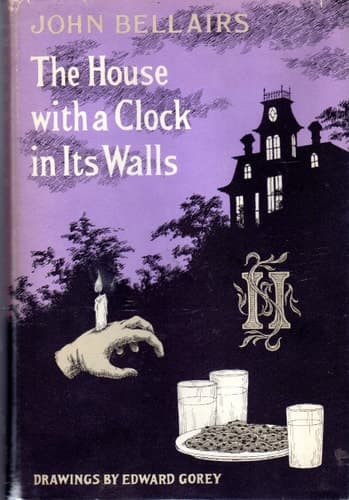
The House with a Clock in Its Walls
by John Bellairs
Published in 1973, Bellairs shares Norton's gift for making old houses feel like characters themselves—full of secrets, hidden passages, and the accumulated strangeness of time. Where the Borrowers find home in the cracks and corners of human spaces, Bellairs' protagonist discovers that the house itself is far stranger than it appears, and both books treat domestic architecture as genuinely mysterious rather than merely a backdrop.
View bookAbout Mary Norton
M
Mary Norton
1903–1992
Mary Norton, née Pearson, was a British children's author. Her books include *The Borrowers* series.
View author page