Synopsis
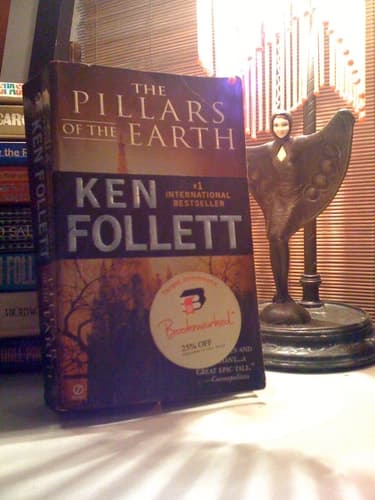
The Pillars of the Earth is a historical novel by Welsh author Ken Follett published in 1989 about the building of a cathedral in the fictional town of Kingsbridge, England. Set in the 12th century, the novel covers the time between the sinking of the White Ship and the murder of Thomas Becket, but focuses primarily on the Anarchy. The book traces the development of Gothic architecture out of the preceding Romanesque architecture, and the fortunes of the Kingsbridge priory and village against the backdrop of historical events of the time.
See also:
- The Pillars of the Earth: 1/2
- The Pillars of the Earth: 2/2
Recommendations
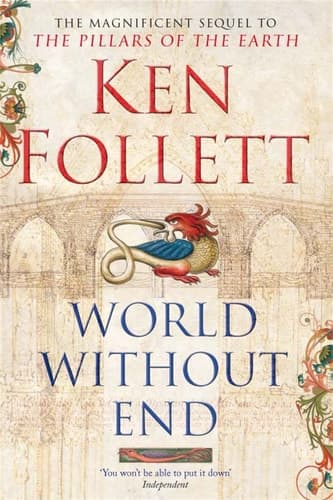
World Without End
by Ken Follett
I notice you finished *Pillars of the Earth* - have you discovered that Follett wrote a sequel set in the same Kingsbridge location two centuries later? It has the same architectural ambition and political intrigue, but with fresh characters and the Black Death reshaping medieval society. It's the natural next step if you want to stay in this world.
View book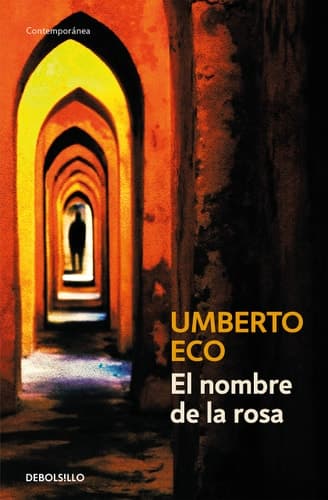
El nombre de la rosa / The Name of the Rose
by Umberto Eco
Eco builds his 14th-century monastery mystery with the same meticulous attention to period detail that Follett uses, but adds a puzzle-box structure where you're constantly discovering how much you *don't* understand about medieval intellectual life. The cathedral chapters in *Pillars* hint at this world of theological debate - *Name of the Rose* plunges you into it.
View book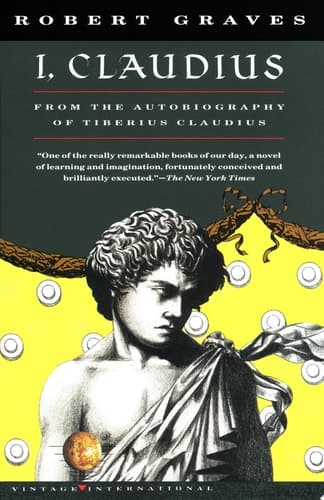
I, Claudius
by Robert Graves
Published in 1934, this one's from a different era entirely, but it shares *Pillars'* gift for making you care about the machinery of power - how individuals navigate between competing factions, how architecture and monuments reflect political will. Graves writes Roman imperial politics with the same page-turning momentum Follett brings to medieval England, just with togas instead of stone.
View book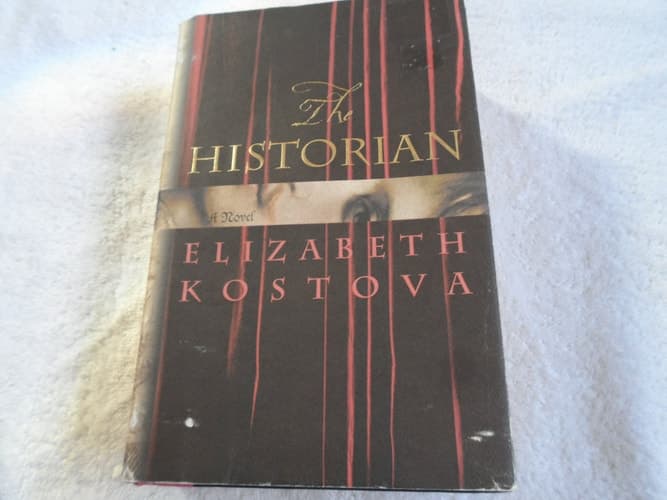
The Historian
by Elizabeth Kostova
Here's your surprise pick: it's a literary mystery wrapped in historical research, where the hunt for Dracula's truth becomes an excuse to explore medieval Eastern Europe with the same architectural and cultural specificity you loved in *Pillars*. Kostova writes like someone who fell in love with a library and decided to write a novel inside it - the research becomes part of the pleasure, not a burden.
View book
Dragon Quest VIII Journey of the Cursed King : Official Strategy Guide
by Dan Birlew
Druon wrote this French historical epic in the 1950s about 14th-century monarchy, and it has that same sprawling cast of characters whose personal ambitions collide with historical forces. Where Follett focuses on cathedral-builders and monks, Druon gives you kings and nobles, but the DNA is identical - intricate plotting, genuine stakes, and the sense that you're watching history being made by flawed people.
View bookAbout Ken Follett
K
Ken Follett
Born 1949
Ken Follett is a British author of thrillers and historical novels. He has sold more then 100 million copies of his works. Four of his books have reached the number 1 ranking on the New York Times best-seller list : *The Key to Rebecca, Lie Down with Lions, Triple* and *World Without End*.
View author page