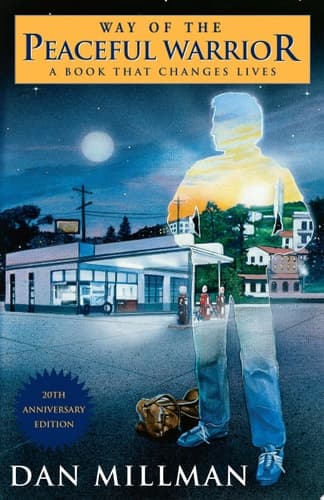
Way of the Peaceful Warrior A Book that Changes Lives
Dan MillmanPublished2000
Pages213
Formatpaperback
PublisherH J Kramer
Synopsis
A special 20th anniversary edition of a landmark bestseller -- with revisions and a new afterword by the author
In the years since its first publication in 1980, Way of the Peaceful Warrior has become recognized as a spiritual classic. Shared by word of mouth, this philosophically themed memoir has sold more than a million copies, been translated into thirty languages worldwide, and inspired readers of all ages and backgrounds.
The story follows the inner journey of Dan Millman, a college student and world-champion athlete who is haunted by a feeling that something is missing from his life. Awakened one night by bad dreams, he wanders into an all-night gas station where he meets an old man named Socrates who soon becomes his mentor. Guided by this eccentric old warrior, and drawn to an elusive young woman named Joy, Dan begins a spiritual odyssey into realms of light and shadow, leading toward a final confrontation that will deliver or destroy him.
Way of the Peaceful Warrior speaks to the peaceful warrior in each of us. Countless readers have been moved to laughter, tears, and moments of illumination as they follow Dan on his journey toward self-actualization and enlightenment.
Recommendations
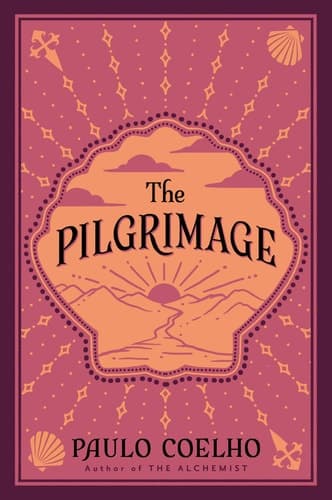
The Pilgrimage
by Paulo Coelho
Like Millman, Coelho structures his spiritual memoir around a series of practical exercises and encounters with mentors that gradually shift the protagonist's consciousness. Both authors use the journey itself as the teaching tool rather than abstract philosophy, and they share that rare gift of making enlightenment feel accessible rather than distant or pretentious.
View book
The Apocalyptic Vision of Mikhail Bulgakov's the Master and Margarita (Studies in Slavic Language & Literature)
by Edward E. Ericson
This 1960s Russian novel has that same quality of a wise, mysterious figure (here, the Devil himself) disrupting an ordinary world to teach profound lessons about truth and authenticity. Where Millman uses a gas station, Bulgakov uses Moscow's literary establishment—but both create that disorienting, darkly comic space where spiritual awakening happens through chaos rather than calm.
View book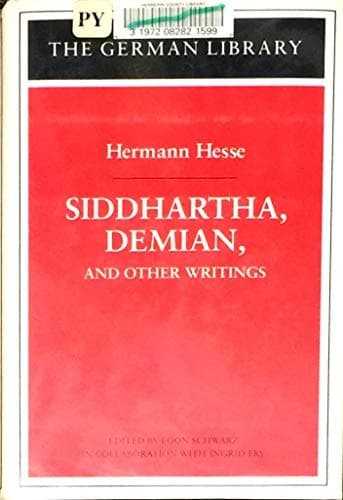
Siddhartha, Demian, and Other Writings: Hermann Hesse
by Hermann Hesse
Hesse's 1922 novella follows a similar arc of a young seeker rejecting conventional success to pursue deeper meaning, and like Millman, he shows enlightenment as something you must experience directly rather than inherit or study. The pacing and restraint are different—Hesse is more meditative—but both authors trust the reader to feel the spiritual shift rather than explain it.
View book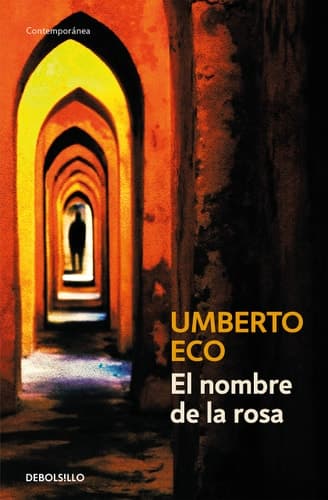
El nombre de la rosa / The Name of the Rose
by Umberto Eco
This might seem like an odd pairing, but stay with me: beneath the medieval mystery plot, Eco is deeply interested in how meaning gets constructed and deconstructed, much like Socrates challenges Dan's assumptions about reality. Both books use a mentor-student dynamic to explore how we know what we think we know, though Eco wraps his philosophy in a labyrinthine monastery rather than a gas station.
View book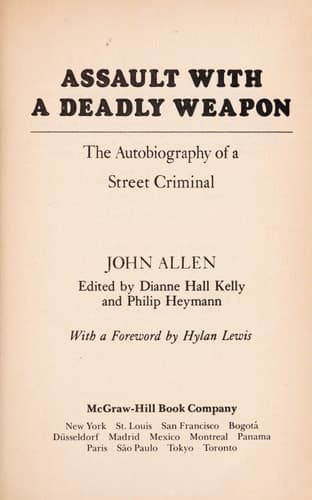
Assault With a Deadly Weapon: The Autobiography of a Street Criminal
by John Allen
Yogananda's account of his own spiritual training under various gurus shares Millman's gift for making mystical experiences feel vivid and real rather than abstract. Both authors ground their enlightenment narratives in specific people, conversations, and even humorous moments—this isn't transcendence-as-escape, but transformation-through-relationship.
View bookAbout Dan Millman
Biography coming soon.
View author page