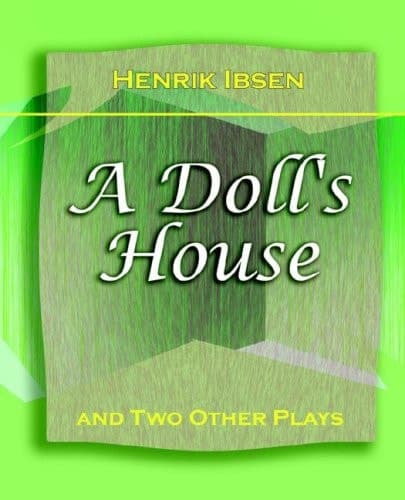
A Doll's House And Two Other Plays
Henrik IbsenPublished2006
Pages308
Formatpaperback
PublisherBook Jungle
Synopsis
Book by Ibsen, Henrik Johan
Recommendations
The ghost sonata
by August Strindberg
Strindberg was Ibsen's contemporary and rival, and this play shares that same claustrophobic intensity where a family's secrets slowly poison everything—but Strindberg cranks up the psychological torment to almost unbearable levels. Where Ibsen gives you Nora's door slam, Strindberg traps you in a house where escape feels impossible and everyone's complicit in their own suffering.
View book
pillars of the earth
by Ken Follett
I know this seems like a departure into historical epic, but hear me out: Follett structures this novel the way Ibsen structures his plays—through interlocking character arcs where personal ambitions collide with social institutions (here, the Church instead of marriage). You'll recognize that same tension between individual desire and societal constraint, just sprawled across 12th-century England with cathedral-building as the backdrop.
View book
Tom Stoppard: Rosencrantz and Guildenstern are Dead, Jumpers and Travesties
by T. Bareham
Stoppard takes the Ibsen tradition of probing dialogue and philosophical argument but filters it through absurdist comedy—two minor characters from Hamlet become the protagonists of their own existential crisis. You'll feel that same intellectual rigor and character-focused drama, but with a playfulness and metatheatrical twist that makes you question what theater itself can do.
View book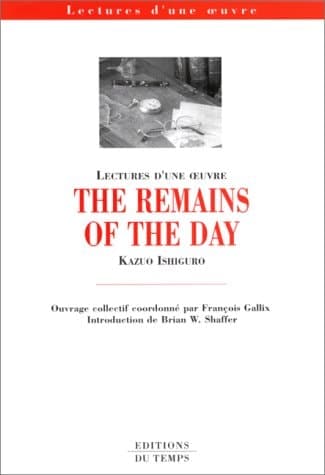
The remains of the day de Kazuo Ishiguro
by Gallix/François
This 1989 novel does what Ibsen does in *A Doll's House*—it slowly reveals how a person has constructed a false self to survive within an oppressive system, and the quiet devastation of that realization. Stevens's monologue is like Nora's final speech, except it's spread across the entire novel, and you're watching him almost understand what he's lost, but not quite.
View book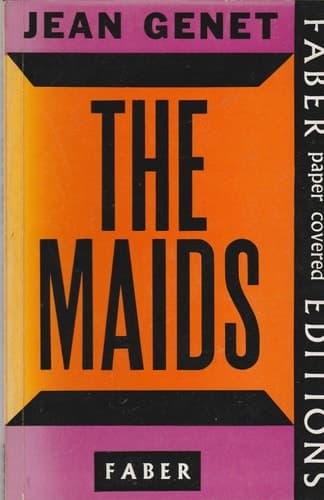
The Maids.
by Jean Genet
Genet takes Ibsen's interest in power dynamics and role-playing but makes it genuinely transgressive—two servants enact an elaborate ritual with their employer that blurs reality and performance until you can't tell who's in control. It's shorter and stranger than Ibsen, but that same obsession with how people perform their assigned roles and what happens when those performances crack.
View bookAbout Henrik Ibsen
H
Henrik Ibsen
1828–1906
Henrik Ibsen was a major 19th-century Norwegian playwright, theatre director, and poet. He is often referred to as "the god father" of modern drama and is one of the founders of Modernism in the theatre.[1] His plays were considered scandalous to many of his era, when Victorian values of family life and propriety largely held sway in Europe. Ibsen's work examined the realities that lay behind many facades, possessing a revelatory nature that was disquieting to many contemporaries. It utilized a critical eye and free inquiry into the conditions of life and issues of morality. Ibsen is often ranked as one of the truly great playwrights in the European tradition, alongside Shakespeare. <cite>— [Wikipedia](https://en.wikipedia.org/wiki/Henrik_Ibsen)</cite>
View author page