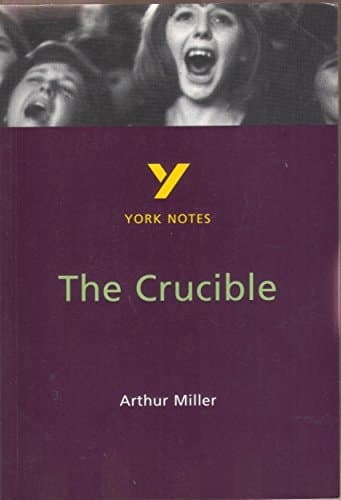
Synopsis
Key features of this text:
• How to study the text
• Author and historical background
• General and detailed summaries
• Commentary on themes, structure, characters, language and style
• Glossaries
• Test questions and issues to consider
• Essay writing advice
• Cultural connections
• Literary terms
• Illustrations
• Colour design
Recommendations
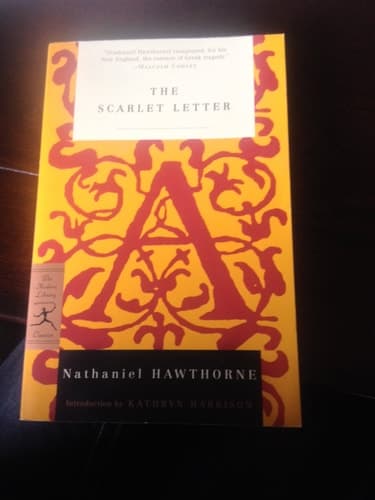
Nathaniel Hawthorne, The Scarlet Letter
by Elmer Kennedy-Andrews
Like Miller's play, Hawthorne examines how communities weaponize shame and moral judgment against individuals, creating a suffocating atmosphere where reputation becomes a form of execution. Both works use historical settings to interrogate the hysteria and hypocrisy lurking beneath society's righteous surface, and both feature protagonists trapped by forces larger than themselves.
View book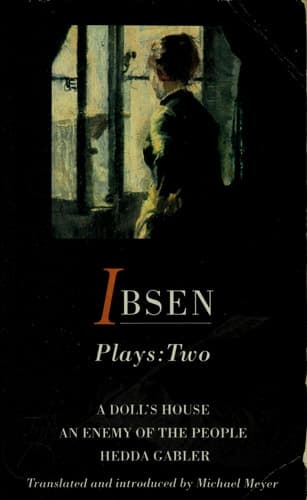
Ibsen Plays: 2 A Doll's House; An Enemy of the People; Hedda Gabler
by Henrik Ibsen
Ibsen's play shares Miller's fascination with how institutions silence truth-tellers and how the majority can become a tyrannical force. Where The Crucible examines supernatural accusations, Ibsen explores environmental corruption—but both dramatists show how convenient lies protect power structures while destroying individuals who resist them.
View book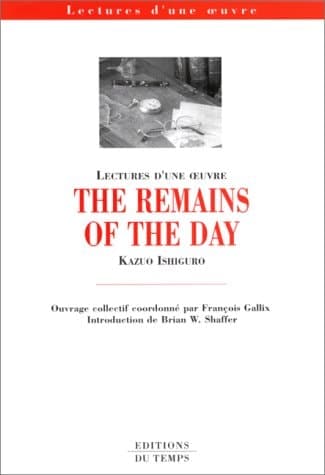
The remains of the day de Kazuo Ishiguro
by Gallix/François
This is the surprise pick: instead of another play about persecution, here's a novel about a man complicit in a system he never quite examines. Like Miller's characters who must decide whether to confess or conform, Ishiguro's protagonist grapples with the cost of silence—but Ishiguro makes you feel the tragedy of someone who never rebels at all, only rationalizes.
View book
The Crucible A Play in Four Acts
by Arthur Miller
Since you've engaged with Langston's study guide, you're ready for Miller's actual text itself—the full dramatic experience without the annotations. Reading the play directly will let you experience the mounting dread and the language's rhythm in ways a study guide, however thorough, cannot replicate.
View book
Four Great Plays of Henrik Ibsen A Doll's House, The Wild Duck, Hedda Gabler, The Master Builder
by Henrick Ibsen
Ibsen's most famous play shares Miller's interest in how social expectations trap people into performing false identities until the moment of reckoning arrives. Both works feature characters forced to choose between self-preservation and authenticity, and both end with transformations that feel simultaneously liberating and devastating.
View bookAbout David Langston
Biography coming soon.
View author page